 Egypt
Egypt  UAE
UAE  Saudi Arabia
 Are Electric Kettles Worth It? What You Actually Gain
We may earn a commission from purchases through our links, at no extra cost to you. How we choose · Disclosure.
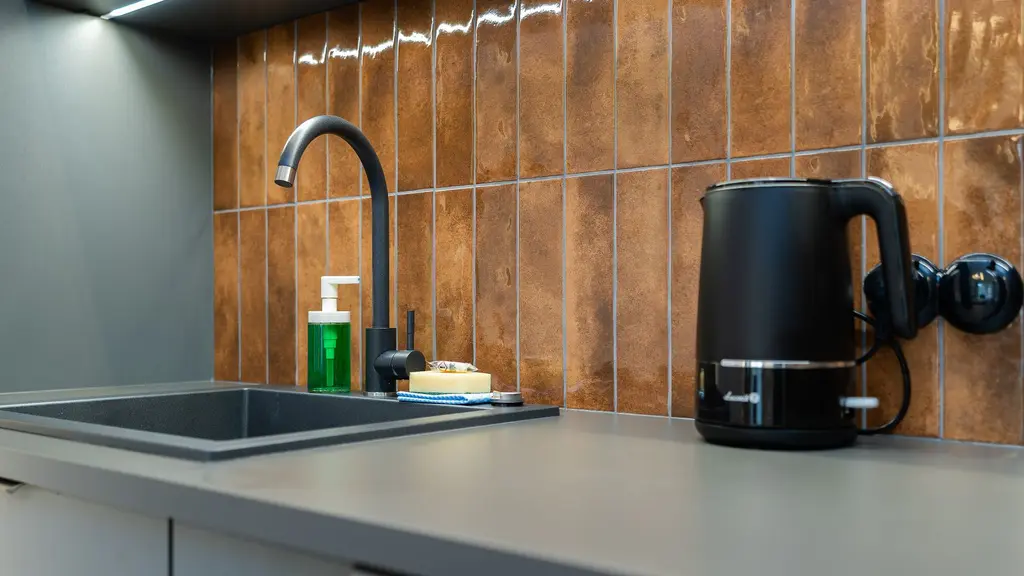
Yes, an electric kettle is worth it for most US kitchens. It boils water faster than a stovetop pot or kettle, shuts itself off automatically, and does the job for around $20 to $30 for a reliable standard model. It earns its keep fastest in households that make tea, coffee, or instant oatmeal on a regular basis.
The quick answer
An electric kettle is worth buying if you regularly make tea, coffee, or anything else that starts with hot water, since it boils faster than a stovetop and shuts off on its own instead of you having to watch it. If you rarely drink hot drinks or already rely on a coffee maker for hot water, it’s one more appliance you may not use enough to justify the counter space.
Key takeaways
- An electric kettle heats water directly, with the heating element submerged in the water itself, rather than heating a stovetop burner or a microwave cavity around a mug (electric kettle basics from Electrical Safety First).
- Auto shut-off is standard on virtually every model, so you’re not stuck watching the stove or guessing when a microwave mug is hot enough.
- A solid standard kettle costs about $20 to $30, cheap enough that the time saved over weeks of daily use makes up the cost quickly.
- It’s most worth it for daily tea or coffee drinkers, and least worth it for households that rarely boil water for drinking.
What an electric kettle actually saves you
The main win is speed and hands-off convenience. A stovetop kettle or pot takes longer to heat the same amount of water, needs a working burner, and either whistles at you or gets forgotten until it boils over. A standard electric kettle brings 1.7L to a full boil in a few minutes and clicks off by itself, so you can start the kettle and walk away to get a mug and tea bag ready instead of standing at the stove. Over a year of daily tea or coffee, that adds up to real time back, for an appliance that costs less than a few takeout coffees.
Electric kettle vs stovetop vs microwave
| Electric kettle | Stovetop kettle or pot | Microwave | |
|---|---|---|---|
| Speed for 1.7L of water | Fastest, a few minutes | Slower, depends on the burner | Slower for larger amounts |
| Auto shut-off | Yes, standard | Only whistling kettles alert you | No, you set the timer yourself |
| Safety concern | Low, contained heating element | Boil-over or forgotten pot | Superheating risk in smooth containers |
| Extra appliance needed | Yes | No, if you already have a stove | No, if you already have a microwave |
| Typical cost | ≈ $20 to $30 for a standard model | Often already owned | Often already owned |
When it’s not worth it
If you make hot tea or coffee only occasionally, or your coffee maker already produces hot water on demand for the rare cup of tea, an electric kettle mostly sits unused. In that case, the stovetop or microwave you already have covers the occasional need without adding another appliance to the counter. The math changes quickly, though, once hot water becomes a daily habit rather than a once-a-week one.
A solid kettle to start with
If the daily-use case fits your household, you don’t need to overthink the pick. The Cosori Electric Kettle 1.7L (≈ $26) covers the basics that make an electric kettle worth having in the first place: a fast boil, enough capacity for two to three cups, and a no-plastic interior, backed by thousands of positive reviews on Amazon.
See the Cosori Electric Kettle price on Amazon ↗
Bottom line
An electric kettle is worth it for any household that makes tea, coffee, or hot water for cooking on a regular basis, since it boils faster than the stovetop, shuts off on its own, and costs about as much as a couple of takeout drinks. If you only need hot water occasionally, your stovetop or microwave already covers you. Once you’ve decided you want one, the best budget electric kettle is the place to start if price matters most, and cheap vs expensive electric kettles walks through what more money actually buys. For the full picture, see our guide to choosing an electric kettle or browse the electric kettles hub.
Sources
- Electrical Safety First, “Electric kettle safety features”,” background on how electric kettles heat water and standard safety features: https://www.electricalsafetyfirst.org.uk/safety-advice/products-and-appliances/kitchen-gadgets/kettles/
This analysis is based on published information from Electrical Safety First (Electric kettle safety features).
Frequently asked questions
Are electric kettles actually worth buying?
For most kitchens, yes. An electric kettle boils water faster than a stovetop kettle or a pot, doesn't heat up the whole stove for one cup, and shuts itself off automatically, which a stovetop kettle without a whistle won't do. At around $20 to $30 for a solid standard model, it pays for itself quickly in time saved if you make tea, coffee, or instant oatmeal regularly.
Is an electric kettle faster than a microwave for boiling water?
Usually, yes, for the same amount of water. An electric kettle's heating element sits directly in the water, so it transfers heat more efficiently than a microwave heating water in a mug. The difference is more noticeable the more water you're boiling at once.
Is it safe to boil water in the microwave instead of a kettle?
It's common practice and generally fine, but microwaved water can superheat past its boiling point without visibly bubbling, then erupt suddenly when disturbed, which is a real risk with smooth mugs and glass containers. An electric kettle boils more predictably and shuts off on its own once it reaches a full boil.
Who doesn't need an electric kettle?
If you rarely drink hot tea or coffee, or you already have a coffee maker that also handles hot water for tea, an electric kettle is one more appliance taking up counter space for something you'll use occasionally. It earns its keep for households that make hot drinks daily.
Do electric kettles use a lot of electricity?
No more than boiling the same amount of water any other way, and often less, since the heating element is submerged directly in the water instead of heating a stovetop burner or a microwave cavity around it. A typical 1.7L kettle at 1500 watts boils in a few minutes, which is a small, short burst of electricity rather than an ongoing draw.