
 Egypt
Egypt  UAE
UAE  Saudi Arabia
 K-Cup vs Espresso Machine: Speed, Cost and Brewing Control
We may earn a commission from purchases through our links, at no extra cost to you. How we choose · Disclosure.
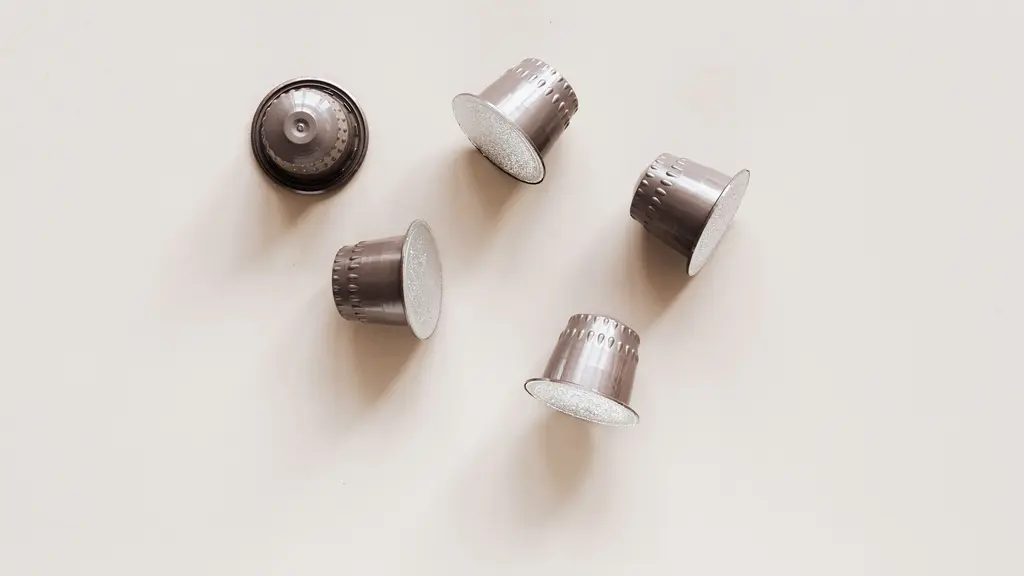
If you’ve stood in front of the coffee machine section on Amazon.com wondering whether to grab a Keurig, a drip carafe, or a real espresso machine, you’re weighing two genuinely different trade-offs: speed and convenience versus taste, control, and a lower cost per cup over time. Neither is objectively “better,” they solve different problems, so let’s untangle which one actually fits your morning before you shop the best coffee machine in the USA.
The quick answer
A single-serve K-Cup machine wins on speed and convenience. A real espresso machine wins on taste, control, and cost per cup if you drink coffee daily. If your priority is a good cup in under a minute with almost nothing to learn, get a single-serve machine. If you drink several cups a day, plan to keep the machine for years, and care about fine-tuning the result, a real espresso machine pays off.
Key takeaways
- Single-serve machines cost a similar amount upfront but more to run. A machine like the Keurig K-Elite typically costs $70 to $94 upfront, but every K-Cup pod afterward is pricier per cup than ground coffee.
- Espresso machines cost a bit more upfront but less per cup over time. An entry espresso machine like the CASABREWS 3700 starts around $100, and you’re buying ground coffee afterward, which is consistently cheaper per cup than pods.
- Convenience is single-serve’s real selling point. Load a pod, press one button, done in under a minute, with no grinding, tamping, or cleanup beyond the used pod.
- Control is espresso’s real selling point. A manual espresso machine lets you adjust grind size, shot strength, and milk texture, which matters if you actually want to chase a better cup, not just drink a consistent one.
- The daily volume decides the math. One or two cups a day tilts toward single-serve. Three or more cups a day, kept up for years, tilts toward espresso or a drip carafe.
Single-serve machines: speed and consistency in a button press
A single-serve machine works by pre-measuring the coffee into a sealed pod, so the machine’s job is simply to force hot water through it the same way every time. That’s why K-Cup coffee is so consistent: the variability that comes from grinding, tamping, and timing a real espresso shot is engineered out of the process before the pod ever reaches the machine. A machine like the Keurig K-Elite heats up fast, needs almost no learning curve, and cleans up in seconds, and its larger reservoir and multiple cup sizes mean fewer refills and more flexibility than the most basic single-serve models.
The trade-off shows up in your wallet over time, not on day one. Each K-Cup pod costs noticeably more per cup than the equivalent amount of ground coffee, and you’re limited to K-Cup pods rather than any coffee you like. If you drink one or two cups a day, that per-cup premium is a small, predictable cost. If multiple people in the household drink coffee daily for years, it adds up to real money.
Espresso machines: more control, lower cost per cup, more to learn
A real espresso machine, whether a budget-friendly model like the CASABREWS 3700 or a step up like the De’Longhi Classic Signature, forces hot water through pressure and finely ground, tamped coffee. Because you control the grind size, the dose, and the extraction time, you have far more room to adjust the result than a single-serve pod ever allows. A drip machine with a built-in frother, like the Ninja Specialty, splits the difference: it doesn’t produce true espresso, but its concentrated brew setting and frother approximate specialty drinks with much of a single-serve machine’s push-button ease.
What you’re trading for that control is a steeper learning curve and some daily effort: tamping, dialing in grind size, cleaning the portafilter and steam wand. The upfront cost is also a bit higher, from around $100 for an entry espresso machine up to $150 for a more refined one. But the ongoing cost per cup, since you’re buying ground coffee rather than individual pods, is consistently lower over months and years of daily use.
Quick comparison: which one for what?
| Factor | Single-serve K-Cup machine | Espresso machine |
|---|---|---|
| Upfront cost | ≈ $70 - $94 | ≈ $100 - $150 |
| Cost per cup over time | Higher | Lower |
| Effort per cup | Minimal, one button | More, grinding and tamping |
| Consistency | Very high, engineered into the pod | Depends on your technique |
| Best for | One to two cups a day, minimal fuss | Daily coffee drinkers who want control or fresher taste |
The simple rule: low daily volume and low fuss → single-serve machine. Daily coffee habit and you care about taste or control → espresso machine. If you want the full buying criteria beyond just this one trade-off, the guide on how to choose a coffee machine walks through household size, counter space, and frothing too.
So which one should you actually buy?
If you’re starting out and just want a reliably good cup without thinking about it, start with a single-serve machine, it’s the lower-risk, lower-effort choice, and it’s the most-used pattern in US homes for exactly that reason. A practical example that balances price and ease: the Keurig K-Elite, with a one-cup routine and thousands of positive reviews on Amazon.com. We didn’t pick it because it’s the most powerful machine on the market, we picked it because it’s a genuinely reliable single-serve machine at a fair price, which is what earns it the top spot in our guide to the best coffee machine in the USA. You’ll find its current price and the Amazon.com link in the card below.
Once you know coffee is a daily non-negotiable and you’ve started noticing the taste difference between K-Cup pods and fresh-ground coffee, that’s the signal to move up to an espresso machine. There’s no need to buy the pricier machine on day one just in case you’ll want it later.
Read your needs in a minute
- Ask yourself: how many cups do you actually drink most days, one or two, or three-plus?
- If it’s one or two, a single-serve machine’s convenience likely beats the long-run cost-per-cup difference.
- If it’s three-plus and you plan to keep the machine for years, run the math: an espresso or drip machine likely costs less per cup over that volume.
- If lattes or specialty drinks matter but you don’t want a full espresso setup, look at a drip machine with a built-in frother like the Ninja Specialty.
- See coffee machine prices in the USA to check what each tier actually costs before you decide, and remember all prices are approximate and change.
For everything in this category in one place, browse our coffee machines section.
This analysis is based on published information from Amazon.com.
Frequently asked questions
Is a K-Cup machine cheaper than an espresso machine?
Upfront, it's close: a single-serve K-Cup machine typically costs $70 to $94, not far under an entry espresso machine's $100 to $150. But every K-Cup pod you buy afterward adds to the real cost, and that adds up over months of daily use. A manual espresso machine costs a bit more to buy but you're paying for ground coffee afterward, which usually works out cheaper per cup once you factor in months of use.
Does K-Cup coffee taste as good as real espresso?
It's close for many people, but not identical. A single-serve machine like the Keurig K-Elite is engineered to produce a consistent, pre-measured cup every time, which is genuinely good coffee for most palates. A real espresso machine with fresh-ground coffee gives you more control over strength, grind, and extraction, which serious coffee drinkers rate as noticeably better, but that gap only matters if you actually taste the difference and care enough to chase it.
Can I make a latte or cappuccino with a single-serve machine?
Most basic single-serve machines, including the Keurig K-Elite, don't froth milk on their own, so a latte at home needs a separate milk frother. Some drip machines, like the Ninja Specialty, build a frother in. If you want lattes without buying separate equipment, check that detail before assuming it's covered out of the box.
How much coffee do I need to drink daily before an espresso machine is worth it?
If you're making one or two cups a day, a single-serve machine's speed and simplicity likely outweigh the long-run cost-per-cup difference. If you're making three or more cups daily and plan to keep the machine for years, the math starts favoring an espresso or drip machine, since the per-cup cost of ground coffee is consistently lower than K-Cup pods over that kind of volume.