
 Egypt
Egypt  UAE
UAE  Saudi Arabia
 Do Humidifiers Help With a Cough? Here's What Helps
We may earn a commission from purchases through our links, at no extra cost to you. How we choose · Disclosure.
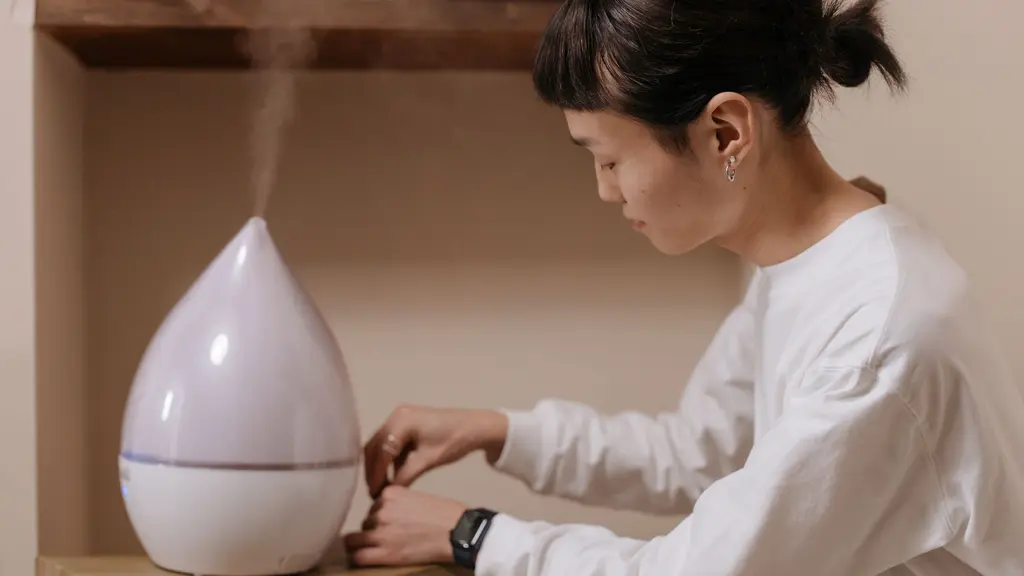
A humidifier can genuinely help ease a cough, mostly by keeping the air from being dry enough to irritate an already-inflamed throat and airway, and by helping loosen thick mucus so it’s easier to clear. It’s not a cure and it doesn’t treat whatever’s actually causing the cough, an illness, allergies, or just heated winter air drying out your nose and throat, but as a comfort measure alongside everything else you’re doing, it holds up. Running the room too humid, or running a dirty humidifier, is where it can backfire.
Quick answer
Yes, a humidifier can help ease a cough by adding moisture to dry air, which loosens mucus and soothes an irritated throat and airway. It’s a comfort measure, not a treatment for whatever’s causing the cough in the first place, and it can make things worse if the room gets too humid or the humidifier itself isn’t kept clean.
Key points
- Dry air is a common cough trigger. Heated indoor air in winter especially can dry out the throat and nasal passages, worsening an existing cough or triggering a new one (common cold symptoms and dry-air irritation from US CDC).
- Moist air loosens mucus. This is the main mechanism behind why a humidifier eases a wet, congested cough as well as a dry one.
- A humidifier treats the symptom, not the cause. It doesn’t fight the underlying cold, flu, or allergy driving the cough.
- Overdoing humidity backfires. Relative humidity above roughly 50 percent encourages mold and dust mites, both cough triggers themselves (humidity and indoor air quality background from US EPA).
- A dirty humidifier can make things worse, not better. Mold or bacteria in an uncleaned tank gets dispersed right along with the moisture.
How humidified air actually helps a cough
A cough gets worse when the throat and airway are dry and irritated, or when mucus is thick enough that it’s hard to clear on its own. Adding moisture to the air addresses both. It keeps the throat and nasal passages from drying out further, which matters most in winter when indoor heating strips a lot of moisture out of the air, and it helps thin mucus so coughing actually clears it instead of just irritating an already-raw throat. This is why a humidifier tends to help with both a dry, hacking cough and a wetter, congested one, even though the two feel pretty different.
When it can make things worse
Humidity has a sweet spot, and it’s easy to overshoot it while trying to help a cough. Relative humidity above roughly 50 percent creates conditions where mold and dust mites thrive, both of which are cough and allergy triggers in their own right, so cranking a humidifier to maximum output isn’t the move. A cheap digital hygrometer, which just measures room humidity, is a simple way to keep the room in a genuinely helpful 30 to 50 percent range instead of guessing. The bigger risk, though, is a humidifier that isn’t clean: standing water breeds mold and bacteria, and a neglected tank disperses that into the room right along with the moisture that’s supposed to be helping. If you haven’t cleaned yours recently, our how to clean a humidifier guide covers the routine that keeps this from happening.
What actually eases a cough
| Approach | How it helps | Watch out for |
|---|---|---|
| Humidifier at 30 to 50 percent humidity | Loosens mucus, soothes a dry throat and airway | Overshooting humidity encourages mold and dust mites |
| Keeping the tank clean | Prevents mold or bacteria from being dispersed into the air | A dirty tank can make air quality worse, not better |
| Staying hydrated | Thins mucus from the inside as well | Not a substitute for humidified air if the room itself is very dry |
| Seeing a doctor for a lasting or severe cough | Addresses the actual underlying cause | A humidifier is a comfort measure, not a treatment |
Cool mist or warm mist for a cough
Both raise humidity effectively, and humidity is what actually does the work, not the mist temperature itself. Some people find warm mist more soothing on a raw, sore throat, since it feels closer to steam, while cool mist is the safer default around kids and pets, since there’s no hot water involved, and it typically costs less to run for hours overnight. If you want the full breakdown of when each makes sense, including options built with a menthol vapor pad for extra cold-season relief, see our cool mist vs warm mist humidifier guide.
If you’re deciding whether to buy one
For general cough and cold relief, a simple cool mist humidifier covers most of what you need: steady humidity, quiet overnight operation, and an easy-to-clean tank so you actually keep up with it. Our top pick, the AquaOasis Cool Mist Humidifier 2.2L, is a straightforward option for a single bedroom, backed by thousands of positive reviews on Amazon.com. See the full lineup, including picks built for babies and colds specifically, in the best humidifier in the USA.
See the AquaOasis Cool Mist price on Amazon ↗
The bottom line
A humidifier can genuinely help ease a cough by keeping the air moist enough to soothe an irritated throat and loosen mucus, but it’s a comfort measure, not a treatment for whatever’s actually causing the cough. Keep the room in a 30 to 50 percent humidity range rather than maxing it out, and keep the tank clean, since a dirty humidifier can undo the benefit entirely. See a doctor if a cough is severe, lasts more than a couple of weeks, or comes with other concerning symptoms. For picking a humidifier, see our guide to choosing a humidifier, check humidifier prices in the USA, or browse the full humidifiers section.
Sources
- US EPA, “Use and care of home humidifiers”, background on humidity ranges, indoor air quality, and mold/dust mite risk from overly humid rooms: https://www.epa.gov/indoor-air-quality-iaq/use-and-care-home-humidifiers
- US CDC, “Managing common cold symptoms”, background on cough and congestion symptoms and how dry air and humidity affect the airway: https://www.cdc.gov/common-cold/treatment/index.html
This analysis is based on published information from US EPA (Use and care of home humidifiers), US CDC (Managing common cold symptoms).
Frequently asked questions
Do humidifiers actually help with a cough?
They can ease it. Moist air helps loosen mucus and soothes a dry, irritated throat and airway, which are common triggers for a cough, especially the dry, hacking kind that gets worse in heated indoor air during winter. A humidifier doesn't treat the underlying cause of a cough, an illness, allergies, or dry air itself, but it can make the symptom more manageable while you recover or address the cause.
Can a humidifier make a cough worse?
It can, if the room gets too humid or the humidifier itself isn't clean. Running relative humidity above roughly 50 percent encourages mold and dust mites, both common triggers for coughing and other respiratory irritation. A dirty tank is worse, since it can disperse mold or bacteria into the air you're breathing instead of just moisture. Keep humidity moderate and the tank genuinely clean.
Should I use cool mist or warm mist for a cough?
Either raises humidity effectively, and humidity is what does the work. Some people find warm mist feels more soothing on a sore, scratchy throat, closer to the sensation of steam, while cool mist is the safer default around kids and pets and typically costs less to run. We cover the full trade-off in our cool mist vs warm mist guide.
When should I see a doctor instead of just running a humidifier?
A humidifier is a comfort measure, not a treatment. See a doctor if a cough lasts more than a couple of weeks, comes with a high fever, shortness of breath, chest pain, or coughed-up blood, or if it's in a baby, an older adult, or anyone with an existing respiratory condition. A humidifier can sit alongside medical care, it shouldn't replace it.