
 Egypt
Egypt  UAE
UAE  Saudi Arabia
 Humidifier White Dust: Causes and How to Stop It
We may earn a commission from purchases through our links, at no extra cost to you. How we choose · Disclosure.
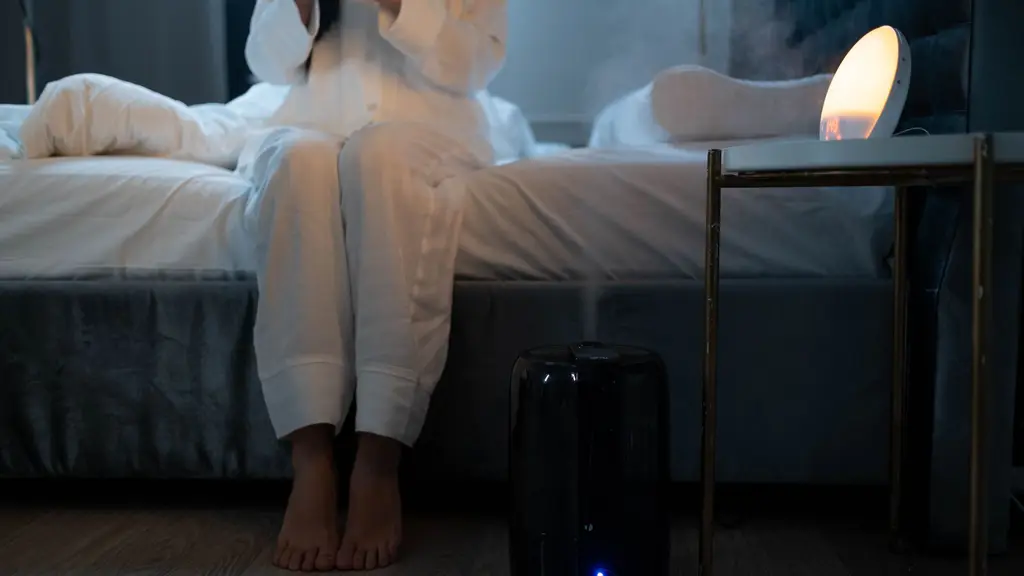
The white dust settling on furniture, floors, and screens near your humidifier is mineral residue from tap water, mostly calcium and magnesium, that got carried into the air along with the moisture and left behind once the water evaporated. It’s especially common with ultrasonic and cool mist humidifiers, which release water without boiling it first. The fix is straightforward: switch to distilled or demineralized water, and the dust largely stops on its own.
Quick answer
Humidifier white dust is mineral residue from tap water, most common with ultrasonic and cool mist units, and it stops almost entirely once you switch to distilled or demineralized water. It’s mostly a nuisance for surfaces and electronics rather than a serious health concern for most people, but regular tank cleaning still matters regardless of the water you use.
Key points
- The dust is mineral content, not dirt or mold. Calcium and magnesium dissolved in tap water get aerosolized along with the mist and settle out as the water evaporates (humidifier mechanism background from US EPA).
- Ultrasonic and cool mist units are the main source. They vibrate or blow water into a fine mist without boiling it, so minerals travel with the vapor.
- Warm mist humidifiers rarely cause it, since boiling leaves most minerals behind in the tank instead of carrying them into the air.
- Distilled or demineralized water is the most effective fix, since it has almost no mineral content left to become dust.
- Harder tap water makes it worse. If your area has hard water, you’ll see more white dust than someone running the same humidifier on softer water.
Why humidifiers produce white dust
Tap water carries dissolved minerals, mostly calcium and magnesium, at levels that vary a lot depending on where you live. A cool mist or ultrasonic humidifier turns that water into a fine airborne mist without heating it, and the minerals go along for the ride. Once that misted water evaporates into the room air, the water itself disperses but the minerals don’t, they settle out as a fine white or gray film on whatever surface is nearby, furniture, TV screens, dark countertops, even the humidifier itself. It’s the same reason a glass of tap water left to evaporate on a counter leaves a chalky ring behind, just aerosolized across a whole room instead of concentrated in one spot.
Tap water vs. distilled water
| Tap water | Distilled or demineralized water | |
|---|---|---|
| Mineral content | Calcium, magnesium, and other dissolved minerals, amount varies by area | Minerals removed during processing |
| White dust risk | Higher, especially with hard water | Very low to none |
| Mineral scale buildup in the tank | Faster, needs more frequent descaling | Slower |
| Cost | Free from the tap | Costs more, needs buying or a demineralization cartridge |
If white dust is a real problem in your house, switching what goes in the tank solves more of it than any other single change, no new hardware required.
Cool mist and ultrasonic vs. warm mist
Mist type matters as much as water type here. Cool mist and ultrasonic humidifiers release water at room temperature, so any dissolved minerals travel with the mist straight into the air. Warm mist humidifiers boil the water first, and that boiling process leaves the great majority of minerals behind in the tank rather than carrying them out as vapor, which is why warm mist units are far less associated with white dust complaints. That’s not a reason to switch mist types on its own, cool mist still has real safety and running-cost advantages covered in our cool mist vs warm mist humidifier breakdown, but it’s worth knowing if white dust is the specific problem you’re solving for.
Is it actually harmful?
For most people, humidifier white dust is more of a housekeeping annoyance than a documented serious health risk, mineral particulate settling on surfaces and getting into electronics is the bigger practical concern. That said, breathing in any fine airborne particulate continuously isn’t ideal, and anyone with asthma or another respiratory sensitivity has more reason to switch to distilled or demineralized water than someone without one. Either way, a dusty humidifier is usually also one that needs a cleaning, since mineral scale builds up inside the tank at the same time it’s settling outside it, so pair a water change with the routine in our how to clean a humidifier guide.
Fixing it: water first, then convenience
The real fix costs nothing extra: switch from tap water to distilled or demineralized water, and most of the white dust problem goes away because there’s almost nothing left in the water to become dust. Keep up with regular tank cleaning too, since mineral scale still forms inside the unit even with better water, just more slowly. If buying jugs of distilled water regularly feels like a hassle, a demineralization cartridge, designed to filter minerals out of tap water before it reaches the tank, is a practical add-on for people who want the tap-water convenience without the mineral load. It’s not a requirement, distilled water alone solves most of the problem on its own.
Choosing a humidifier if dust is a concern from day one
Mist type and water choice matter more here than any specific model, but if you’re shopping for a humidifier and want the option to run it either way, a straightforward cool mist unit like our top pick, the AquaOasis Cool Mist Humidifier 2.2L, works well with either tap or distilled water, so you can start with distilled water from day one if dust near electronics or dark furniture is a concern in your room. See the full rundown in the best humidifier in the USA.
The bottom line
Humidifier white dust is mineral residue from tap water, mostly a cool mist and ultrasonic issue rather than a warm mist one, and it largely disappears once you switch to distilled or demineralized water. It’s more of a nuisance for surfaces and electronics than a serious health hazard for most people, though anyone with respiratory sensitivity has more reason to make the switch. Keep cleaning the tank regularly regardless of the water you use, since mineral scale still builds up over time. For the cleaning routine, see how to clean a humidifier, for mist type trade-offs see cool mist vs warm mist humidifier, and for a full buying rundown see our guide to choosing a humidifier or browse the humidifiers section.
Sources
- US EPA, “Use and care of home humidifiers”, background on cool mist, ultrasonic, and warm mist mechanisms and how mineral content in water is carried into or left out of the air: https://www.epa.gov/indoor-air-quality-iaq/use-and-care-home-humidifiers
This analysis is based on published information from US EPA (Use and care of home humidifiers).
Frequently asked questions
What is the white dust that comes from my humidifier?
It's mineral residue, mostly calcium and magnesium from your tap water, that gets carried into the air along with the water vapor and settles on nearby surfaces as a fine white or gray film. It's most common with ultrasonic and cool mist humidifiers, since they release water without boiling it first.
Does distilled water stop humidifier white dust?
Yes, distilled water has almost no mineral content, so there's very little left to become dust once the water evaporates. It's the single most effective fix and it doesn't require changing anything about the humidifier itself, just what you fill it with.
Is humidifier white dust bad to breathe?
In small amounts it's mostly a nuisance rather than a known serious health hazard for most people, but breathing in any fine mineral particulate isn't ideal, and it's genuinely bad for electronics and surfaces nearby. If anyone in the house has asthma or respiratory sensitivity, switching to distilled or demineralized water is the safer default.
Do warm mist humidifiers cause white dust too?
Much less often. Warm mist units boil the water before releasing it as vapor, and that process leaves most minerals behind in the tank rather than carrying them into the air. White dust is overwhelmingly a cool mist and ultrasonic issue, not a warm mist one.