
 Egypt
Egypt  UAE
UAE  Saudi Arabia
 Robot vs Cordless Vacuum: Daily Upkeep or Spot Cleaning?
We may earn a commission from purchases through our links, at no extra cost to you. How we choose · Disclosure.
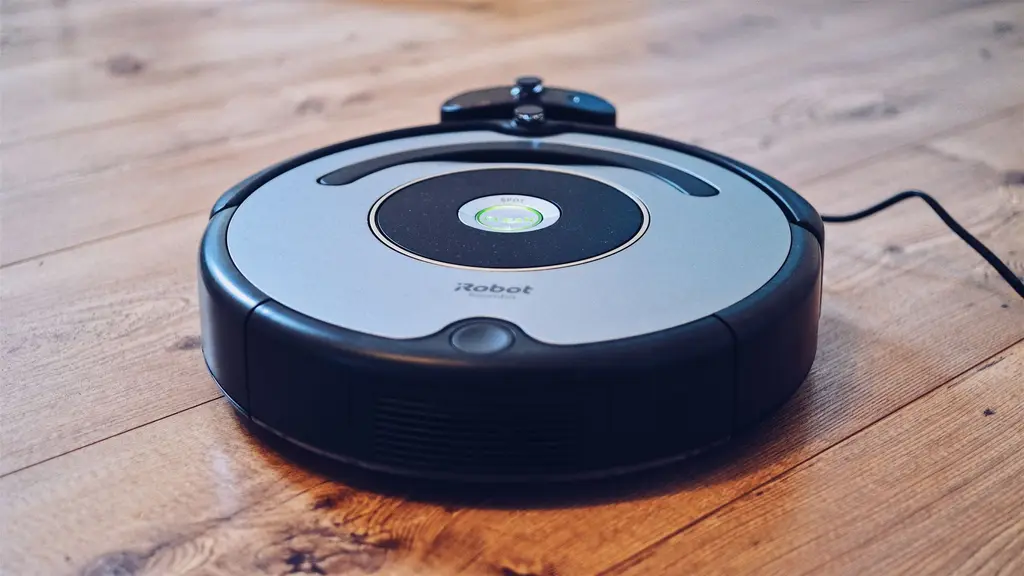
If you’re shopping for a vacuum in the USA, this is probably the first fork in the road you hit: robot vacuum or cordless stick? They solve the same underlying problem, keeping dust, dirt, and pet hair off your floors, but they go about it in completely different ways, and picking the wrong one for your situation means either an unused gadget in the closet or a cleaning routine that never quite keeps up. Let’s break down what each one actually does well.
The quick answer
A robot vacuum handles daily, hands-off upkeep on its own. A cordless stick gives you stronger suction and full control whenever you choose to clean. If everyday dust and pet hair are your main problem and you want it handled without thinking about it, lean robot. If you want a deeper, more thorough clean on demand, especially on carpet or stairs, lean cordless. Many US households end up with both, using the robot for the daily baseline and a cordless stick for a proper weekly pass.
Why this matters more than it seems
Dust and pet hair build up faster than most people expect, especially in homes with carpet, pets, or a busy household. That changes the calculus on robot vs cordless: a robot vacuum that runs a quick pass every day is solving a real, recurring problem rather than being a novelty, because the alternative is either vacuuming manually far more often than you’d like, or letting the mess accumulate between cleans.
What a robot vacuum actually does well
A robot vacuum like the roborock Q10 S5+ navigates your home on a schedule, vacuuming and mopping in a single pass, without you doing anything beyond occasional maintenance. Its real strength is consistency: it can run every single day, which a busy household is realistically never going to do with a manual vacuum. That daily consistency is exactly what keeps dust and pet hair from building up on hard floors and low-pile rugs between deeper cleans. It carries thousands of positive reviews on Amazon, which reflects how well it performs this specific job at a reasonable price point in the budget-to-mid tier.
Where it falls short: robot vacuums generally can’t match a cordless stick’s raw suction on thick carpet, and they can’t climb stairs or reach every corner and edge that their sensors don’t clear well. So while it’s genuinely useful, it isn’t a full replacement for a manual vacuum in every home.
See the roborock Q10 S5+ price on Amazon ↗
What a cordless stick actually does well
A cordless stick vacuum, like the Shark Pet Cordless Stick Vacuum in our lineup, puts you in direct control. You point it exactly where you want, you can apply more pressure and multiple passes on a stubborn patch of carpet, and you reach stairs, car interiors, and furniture edges that a robot’s navigation might skip entirely. It’s also often the more budget-friendly entry point of the two categories, with cordless sticks generally starting cheaper than a comparable robot vacuum.
The trade-off is effort and consistency: a cordless stick only cleans when you pick it up and use it, so its real-world performance depends entirely on how often you actually vacuum. In a home with pets or a lot of foot traffic, that can mean the gap between cleans lets dust and hair build up more than a daily robot pass would allow.
Quick comparison: which one for what?
| Factor | Robot vacuum | Cordless stick |
|---|---|---|
| Daily upkeep | Runs on its own, no effort | Only cleans when you use it |
| Suction on carpet | Weaker, best on hard floors and low-pile rugs | Stronger, better on thick carpet |
| Stairs and corners | Can’t climb stairs, can miss tight spots | Full manual control and reach |
| Typical starting price | Budget tier and up | Can start cheaper, budget tier available |
| Best for | Daily baseline against dust and pet hair | Deeper, on-demand cleaning |
The simple rule: if you want dust and pet hair handled automatically every day, get a robot vacuum. If you want stronger, on-demand cleaning and full control over stairs and carpet, get a cordless stick. If you’re weighing the type decision more broadly, our guide to choosing a vacuum walks through all of it.
So which one should you actually buy first?
If you’re starting with just one vacuum and daily dust or pet hair is your biggest frustration, especially in a home with mostly hard flooring, start with a robot vacuum. It solves the recurring problem most US homes actually have: mess that never really stops arriving. A practical example that balances price and performance here is the roborock Q10 S5+, which vacuums and mops in one pass and carries thousands of positive reviews on Amazon. We didn’t pick it because it does everything a premium robot does, we picked it because it’s a genuinely solid robot vacuum at a reasonable price that covers the daily-upkeep job well, which is part of why it earns a spot in our guide to the best vacuum cleaner in the USA. You’ll find its current price and the Amazon link in the card above.
If your home has meaningful carpet, stairs, or you want the strongest possible clean on demand rather than a daily baseline, start with a cordless stick instead, and add a robot vacuum later once daily dust becomes the more pressing annoyance.
Read your needs in a minute
- Ask yourself: is your bigger frustration daily dust and pet hair buildup, or an occasional deep clean that needs real power? That decides robot vs cordless.
- If you have meaningful carpet, stairs, or pets, weight the cordless stick option more heavily for its stronger suction and reach.
- If your home is mostly hard flooring and low-pile rugs, a robot vacuum alone can cover most of your daily needs.
- If you end up wanting both, see current prices for each type in vacuum cleaner prices in the USA.
- Whichever type you choose, check the review consensus on the exact model before buying, not just the category average, and browse the full lineup at vacuum cleaners in the USA.
This analysis is based on published information from Amazon.com.
Frequently asked questions
Is a robot vacuum better than a cordless vacuum in the USA?
Neither is better outright, they do different jobs. A robot vacuum is better for daily, hands-off upkeep against everyday dust and pet hair. A cordless stick is better when you want stronger suction on demand and full control over stairs, corners, and carpet that a robot can miss. Most households that take cleaning seriously end up with both rather than picking one over the other.
Can a robot vacuum replace a regular vacuum entirely?
For most homes, not entirely. A robot vacuum is excellent at routine daily passes on hard floors and low-pile rugs, which keeps the visible dust and pet hair down. But it typically can't match a cordless stick's suction on thick carpet, and it can't climb stairs, clean a car interior, or reach under a lot of low furniture. Think of it as covering the daily baseline, with a manual vacuum for the deeper weekly clean.
Do I need a robot vacuum if I live in a small apartment?
It's genuinely optional in a small space. A small apartment is quick to cover with a light cordless stick, so the time-saving benefit of a robot vacuum is smaller than in a larger house. That said, if you travel often or simply don't want to think about vacuuming, a robot vacuum still earns its keep even in a compact home.
Which is more work to maintain, a robot vacuum or a cordless stick?
A robot vacuum generally asks for more periodic maintenance: emptying its bin, cleaning the brush roll and sensors, and occasionally washing the mop pad if it mops too. A cordless stick is simpler day to day, just empty the dustbin and charge it, though its battery and filter also need attention over time, especially with pet hair. Neither is high-maintenance, but the robot's upkeep is spread across more small tasks.