
 Egypt
Egypt  Saudi Arabia
  USA
USA Best Coffee Machine for Cappuccino and Latte at Home
We may earn a commission from purchases through our links, at no extra cost to you. How we choose · Disclosure.
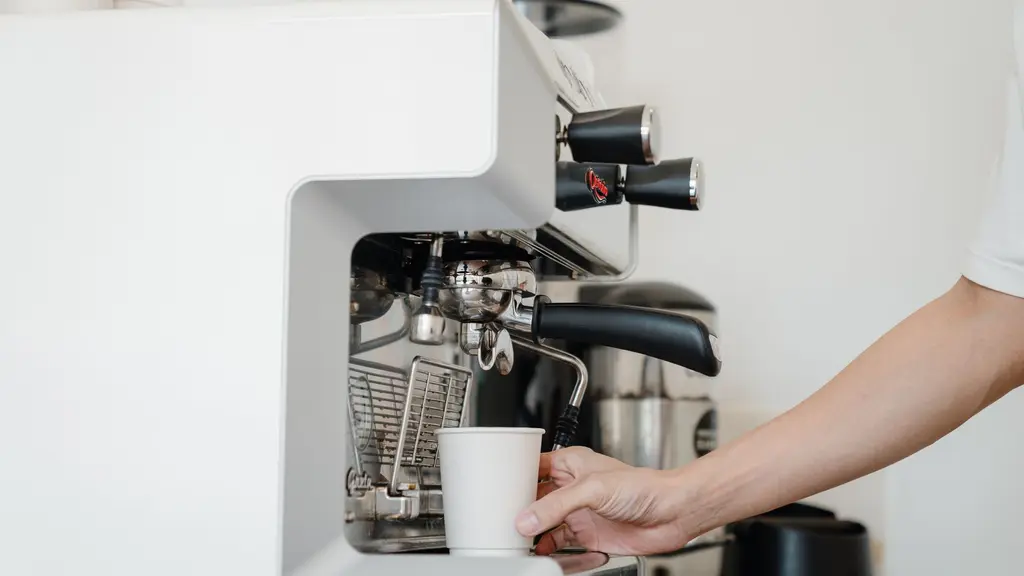
Many machines marketed as “perfect for cappuccino and latte” hide a simple plastic frother that whips milk into big, soapy bubbles, not the silky microfoam you get at a cafe. Real foam needs either a proper steam wand used with the right technique, or a separate electric milk frother that does the job at low cost. If speed matters more than the ritual, capsule machines with dedicated milk pods make a cappuccino or latte at the press of one button, with no manual frothing at all.
The quick answer
Real milk foam (microfoam) doesn’t come from a “cappuccino function” printed on the box, it comes from a real steam wand used correctly or a separate electric milk frother built for the job. If you want cappuccino or latte with zero manual effort, a capsule machine with dedicated milk pods solves the problem at the root with one button. If you want real foam from fresh milk yourself, a simple electric milk frother is the cheapest, fastest route, and a manual steam wand on an espresso machine is the next step for full control.
Key takeaways
- “Built-in frother” on the box doesn’t mean real microfoam. Many budget machines include a simple whisk that beats milk into large, coarse bubbles, not the silky foam a latte or cappuccino actually needs.
- Microfoam needs heat and technique together, not the machine alone. Milk heated to around 60 to 65 degrees Celsius, plus a motion that folds air in smoothly instead of thrashing it, is what actually makes the difference.
- A separate electric milk frother is a practical, cheap fix for anyone who wants real foam without learning a steam wand, and it works with any coffee you already make.
- A manual steam wand gives you the most control over texture, but it takes practice and needs wiping and purging after every milk drink.
- Dedicated milk capsules (like Dolce Gusto’s) make cappuccino or latte at one button, a completely different path from frothing fresh milk yourself, but the easiest one by far.
Why most budget “cappuccino machines” disappoint
Plenty of budget coffee machines advertise a “cappuccino function,” but what they actually include is a small plastic whisk dunked into milk and spun fast, producing large, soapy-looking bubbles rather than the silky microfoam you’d get at a cafe. That foam collapses quickly, doesn’t hold latte art, and doesn’t blend smoothly into the espresso underneath. The issue isn’t bad intent from the manufacturer so much as the physics of frothing itself: whipping milk fast beats in large air bubbles, while real microfoam needs bubbles so fine they’re barely visible.
What actually makes real microfoam?
The professional foam a barista pulls off combines exactly two things: milk temperature and frothing motion. Milk gets heated and aerated at the same time to around 60 to 65 degrees Celsius, hot enough to reshape milk proteins into a network that holds tiny air bubbles steadily, without scalding the milk or breaking its structure. The motion matters as much as the heat: gentle air injection for the first few seconds, then rolling the milk in a vortex that breaks large bubbles down into fine ones, instead of random whipping that produces coarse foam that collapses fast. That’s the real gap between a good steam wand and a cheap whisk, both technically “froth” milk, but only one controls heat and motion together.
Manual steam wand or electric milk frother?
If you already own an espresso machine with a manual steam wand, or you’re thinking about buying one, learning the basic technique (dipping the tip at a slight angle, injecting air for a few seconds, then spinning the milk into a vortex until it hits temperature) gets you the best result and the most control over texture, but it takes practice and wiping and purging the wand after every milk drink so residue doesn’t build up fast in UAE heat.
If your current machine doesn’t have a real steam wand, or you’d rather use a simpler standalone tool, an electric milk frother (handheld or a countertop model with a temperature sensor) does nearly the same job with much less effort: heating and frothing in one step, no need to learn the wand angle or listen for the right frothing sound. This fix works with any coffee you make, from a capsule to manual espresso, and it’s a practical, low-cost add-on for anyone who wants real foam from fresh milk without investing in a full espresso machine.
An easier path: dedicated milk capsules
If your goal is a cappuccino or latte with the least effort possible, capsule machines with dedicated milk pods solve the problem at the root with one button. The Nescafe Dolce Gusto Genio S is a good example of this path: its wide capsule range spans espresso to lattes, so you get a ready milk drink with zero manual frothing, and it’s also the best value pick in our guide to the best coffee machine in the UAE. The trade-off is that this isn’t real microfoam from fresh milk, it’s a mix using powdered milk compressed into the capsule itself, which is genuinely good for most palates but different from what a barista makes with a steam wand. One thing to plan for: this listing is sold and shipped by Amazon Germany, so a delivery charge and import charges are added at checkout and it arrives later than the locally stocked picks.
Quick comparison
| Method | Effort | Foam quality | Best for |
|---|---|---|---|
| Manual steam wand | Learning curve, cleaning after every use | Real microfoam, most control | Anyone who wants full control and doesn’t mind practicing |
| Separate electric milk frother | Very simple, one step | Good foam from real milk, less precise than a barista wand | Anyone who wants real foam with minimal effort |
| Dedicated milk capsules | Zero effort, one button | Consistent foam from a powder mix, not fresh-milk microfoam | Anyone who wants total speed with no technique |
| Built-in budget frother | Simple but inconsistent | Often coarse, large-bubble foam | Anyone who accepts a modest result over buying an extra tool |
Bottom line
If you want cappuccino or latte with the least effort, a capsule machine with dedicated milk pods like the Nescafe Dolce Gusto Genio S solves it at one button, and it’s also the top-value pick in our guide to the best coffee machine in the UAE. If you want real foam from fresh milk yourself, start with a separate electric milk frother before investing in a full machine, and if you already own or are moving to a steam-wand machine, see automatic vs manual espresso machine to find the control level that fits you. If you’re still deciding between capsules and real espresso in the first place, capsule vs espresso machine breaks down that trade-off in detail. For the full buying criteria, see our guide on how to choose a coffee machine, or browse the full coffee machines section.
Sources
- Britannica, “Latte”, background on the latte drink and its ratio of milk to foam: https://www.britannica.com/topic/latte-beverage
- Manufacturer specs and the consensus of buyer reviews on Amazon.ae for the coffee machines and frothers mentioned.
This analysis is based on published information from Britannica (Latte), Amazon.ae.
Frequently asked questions
Do capsule machines make a real cappuccino or latte?
Some capsule machines, like Nescafe Dolce Gusto, have dedicated milk capsules (cappuccino, latte macchiato) that mix and foam automatically at one button. This isn't strictly fresh-milk microfoam, but it's a genuinely good drink for most palates with zero manual effort. Other capsule machines need a separate milk frother to add this drink.
What actually makes real milk foam (microfoam) at home?
Microfoam needs two things together: milk heated to around 60 to 65 degrees Celsius, and a motion that folds tiny air bubbles into the milk smoothly instead of whipping it hard. A real steam wand used with the right technique does this, and so does a good electric milk frother built specifically for the job.
Do I need an espresso machine with a steam wand, or is an electric milk frother enough?
If you want the cheapest, fastest route to real foam from fresh milk without buying a full espresso machine, a separate electric milk frother does the job and works with whatever coffee you already make. If you want the most control over foam texture and you're willing to learn the technique and clean the wand after every use, a manual steam wand on an espresso machine is the next step up.
What's the difference between a latte and a cappuccino in terms of milk?
The main difference is the ratio of foamed milk to steamed liquid milk. A cappuccino is a relatively thick layer of foam over less liquid milk, while a latte has more liquid milk and a thinner foam layer. Both need the same basic microfoam technique, and the difference comes down to the pour ratio, not the frothing tool itself.