
 Egypt
Egypt  Saudi Arabia
  USA
USA Espresso Machine with Built-In Grinder vs Separate Grinder
We may earn a commission from purchases through our links, at no extra cost to you. How we choose · Disclosure.
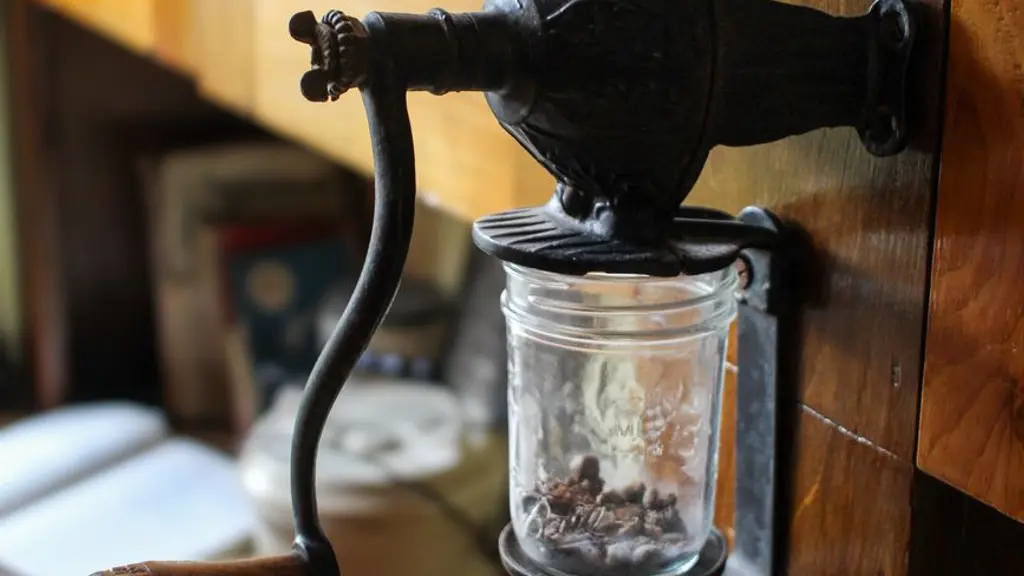
Once you’ve decided real espresso is your path, the next question is: do you buy a machine with a built-in grinder that handles everything in one unit, or a simpler machine paired with a separate grinder you buy and maintain independently? A built-in grinder means less space and a simpler routine, while a separate grinder usually means finer grind control and the flexibility to upgrade each part on its own.
The quick answer
A built-in grinder is the better choice if you want one device that handles everything, with a smaller counter footprint and a single, unified maintenance routine. A separate grinder is the better choice if you want finer control over grind size or the flexibility to upgrade the machine or the grinder independently later. Most people who just want fresh-ground coffee with an easy daily routine are happier with a built-in grinder, and anyone who treats espresso as a genuine hobby is usually happier with a dedicated separate grinder.
Key takeaways
- A built-in grinder means just one device. Bean-to-cup machines like the De’Longhi Magnifica S Smart grind beans automatically inside the same body, so you get fresh coffee at one button with no second device on the counter.
- A separate grinder means two devices, but more flexibility. A slim espresso machine with no built-in grinder, paired with a standalone coffee grinder, lets you upgrade either part on its own later instead of replacing the whole unit.
- Grind precision is usually higher with a dedicated separate grinder. Grinders built specifically for espresso are designed for fine control over particle size, which genuinely matters the closer you get to an espresso that demands precise dialing in.
- Space and upfront cost tend to favor a built-in grinder. One device means one outlet and less footprint, and total cost is often closer than buying two separate devices of comparable quality.
- Day-to-day maintenance is simpler with a built-in grinder, but it also means a grinder failure can take the whole machine out of service, while a separate grinder failing doesn’t stop the machine itself.
Built-in grinder: one device, a simpler routine
Bean-to-cup machines like the De’Longhi Magnifica S Smart build the grinder into the machine’s own body, so you fill the bean hopper once and the machine grinds the exact amount needed for each cup automatically on demand. That means fresh-ground coffee at one button, with no need to buy a second device, find extra counter space, or use a second power outlet. The trade-off is that the grinder in built-in machines, while genuinely good on known models, is usually less precise and less adjustable than a dedicated standalone grinder built specifically for espresso, and if the internal grinder fails, the whole machine may need service or replacement rather than just one part.
Separate grinder: finer control, upgrade flexibility
A slim espresso machine with no built-in grinder, like the De’Longhi Dedica Style EC685.M, paired with a separate coffee grinder you buy and dial in yourself, gives you far more room to control grind size and precision. The most practical upside is that you can upgrade either part on its own later: start with a simple grinder and a good machine, and if you later decide the grind is what’s limiting your coffee’s quality, replace just the grinder without buying a whole new espresso machine. The trade-off is two devices instead of one: more counter space, two power outlets, and a separate cleaning routine for each.
Which one fits your kitchen and budget?
- Tight counter space or you’d rather have one device: a built-in grinder is the simpler solution, with no extra devices to manage.
- You treat espresso as a genuine hobby and want finer control: a separate grinder gives you the most room to dial in the result.
- You already own a decent coffee grinder: there’s no reason to pay extra for a built-in grinder you won’t use, so pick a slim machine with no grinder and keep using what you have.
- You want the lowest possible daily maintenance: a built-in grinder, since your routine is limited to a single device.
Quick comparison
| Factor | Built-in grinder | Separate grinder |
|---|---|---|
| Number of devices | Just one | Two: the machine and the grinder |
| Counter footprint | Smaller | Larger |
| Grind precision | Good on known models, less customizable | Usually finer, built specifically for espresso |
| Upgrade flexibility | Limited, the whole machine is one unit | High, upgrade either part on its own |
| Day-to-day maintenance | One unified routine | Two separate routines, one per device |
| Best for | Anyone who wants one device and a simple routine | Anyone who treats espresso as a hobby and wants finer control |
Bottom line
Choose a machine with a built-in grinder if you want one device that handles everything, with less counter space and a simpler routine, which suits most people who just want fresh daily coffee without complication. Choose a separate grinder paired with a slim machine if you want finer grind control or the flexibility to upgrade each part independently later, which suits anyone who treats espresso as a genuine hobby. If you haven’t decided to move to real espresso yet in the first place, a reliable, fairly priced starting point remains the Nescafe Dolce Gusto Genio S, the top-value pick in our guide to the best coffee machine in the UAE. And if you’re still weighing a fully automatic machine against a manual one, see automatic vs manual espresso machine, and if budget is your priority read best budget coffee machine in the UAE. For the full buying criteria, see our guide on how to choose a coffee machine, or browse the full coffee machines section.
Sources
- Manufacturer specs and the consensus of buyer reviews on Amazon.ae for the coffee machines mentioned.
This analysis is based on published information from Amazon.ae.
Frequently asked questions
Is a built-in grinder on an espresso machine good enough?
On a good bean-to-cup machine like the De'Longhi Magnifica S Smart, the built-in grinder is genuinely enough for most daily drinkers and produces fresh-ground coffee nearly as easily as a capsule machine. The trade-off is that it's usually less precise and adjustable than a dedicated separate grinder, and if the grinder fails, the whole machine may need service or replacement, not just one part.
When is a separate grinder worth the extra investment?
It's worth it if you want finer control over grind size than most built-in grinders offer, or if you want the flexibility to upgrade the machine or the grinder independently later instead of replacing the whole unit. This matters more to anyone who treats espresso as a genuine hobby rather than just a morning routine.
Does a built-in grinder actually save counter space?
Yes, and that's the biggest reason to choose one. One device instead of two means less footprint, one power outlet, and one cord, which genuinely matters in a small kitchen or a tight office corner.
Which option is easier for day-to-day maintenance?
A built-in grinder is simpler day to day because you're dealing with a single device: refilling beans, periodic cleaning, and descaling the whole machine. A separate grinder means cleaning two devices, but it lets you clean or replace either part independently if one fails.