
 Egypt
Egypt  Saudi Arabia
  USA
USA How Much Electricity Does a Fan Use?
A DC-motor fan draws far less power than AC. Here's a realistic watt, kWh, and monthly cost estimate for the UAE, compared with running AC.
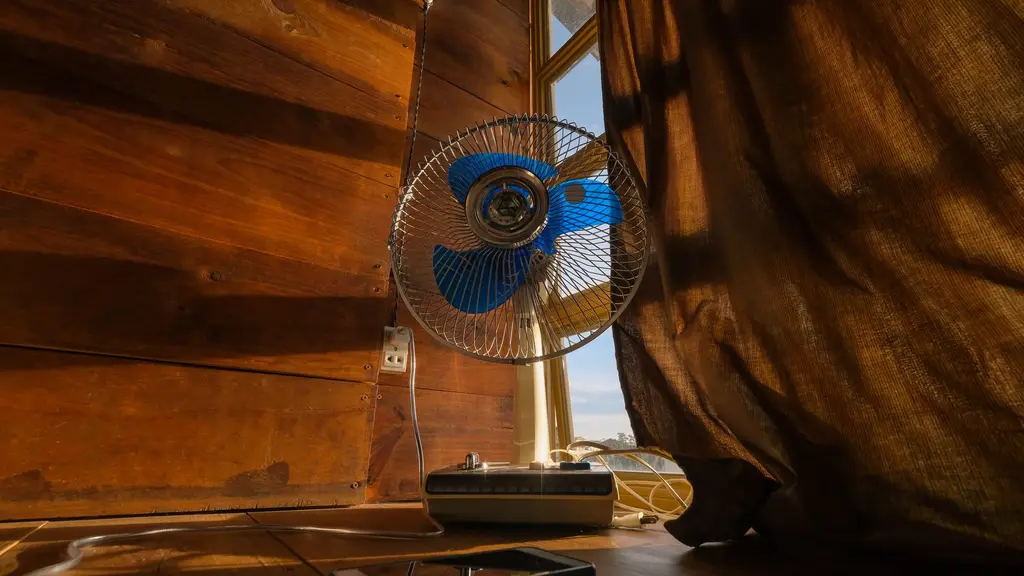
We may earn a commission from purchases through our links, at no extra cost to you. Full disclosure.
How much electricity does a fan use? A modern DC-motor tower or pedestal fan typically draws roughly 25 to 45 watts, a standard AC-motor fan draws more, roughly 50 to 75 watts, and even running one around the clock for a full month typically adds under 50 AED to a DEWA bill. That’s a small number next to what AC adds. The real difference in consumption comes from the motor type and fan speed, not simply from leaving it running all day.
The quick answer
A fan is one of the cheapest appliances in the house to run, and running it continuously isn’t a real burden on your bill. A DC-motor fan saves noticeable electricity over a standard motor over the long run, and rechargeable handheld fans use a practically negligible amount of electricity. Compare either against an AC unit using several kWh a day, and it’s clear why a fan is a cheap way to complement AC, not a real substitute for actual cooling on the hottest days.
Key points
- Consumption is measured in watts at any given moment and in kWh over a billing period, and kWh is the unit that actually shows up on a DEWA bill (kilowatt-hour definition from US EIA).
- Motor type drives consumption more than any other factor: a DC motor designed for efficiency draws noticeably fewer watts than a standard AC motor of roughly the same blade size (background on the electric motor from Britannica).
- Fan speed changes consumption noticeably, with high speed drawing more than low or medium.
- A rechargeable handheld fan only draws power while charging, a very small amount that doesn’t compare to a fan plugged in and running all day.
- DEWA’s Dubai residential tariff is tiered in slabs, starting around 23 fils per kWh in the lowest slab and rising as a home’s total usage climbs (slab tariff on DEWA’s site).
How many watts each type actually uses
- A DC-motor tower or pedestal fan (like our pick below) typically draws roughly 25 to 45 watts on normal speeds.
- A standard AC-motor tower or pedestal fan typically draws roughly 50 to 75 watts, and can approach 100 watts on its highest speed.
- A ceiling fan typically draws roughly 55 to 75 watts depending on blade size and speed.
- A rechargeable handheld fan isn’t really measured in watts during use at all, but in a very small amount of electricity while charging, typically under 20 watt-hours per full charge.
These are rough figures that vary model to model, and the most accurate way to know your own fan’s real draw is a simple plug-in energy usage monitor between the plug and the wall outlet.
Working out the monthly cost on a DEWA bill
To turn watts into an actual cost, assume continuous running around the clock for a full month (30 days), a worst-case scenario since most people don’t run a fan nonstop day and night. DEWA’s Dubai tariff starts around 23 fils per kWh in the lowest slab, and once the monthly fuel surcharge is added, the effective rate for many homes lands closer to 30 fils per kWh. On that basis:
| Type | Approx. wattage | kWh per day, continuous | Approx. monthly cost (AED) |
|---|---|---|---|
| Tower or pedestal, DC motor | 25 - 45 | ≈ 0.8 | ≈ 8 |
| Tower or pedestal, standard AC motor | 50 - 75 | ≈ 1.5 | ≈ 14 |
| Ceiling | 55 - 75 | ≈ 1.6 | ≈ 14 |
| Rechargeable handheld | Under 1 (average daily charge) | ≈ 0.02 | Under 1 |
These are illustrative estimates, and your own tariff depends on which slab your household’s total usage falls into, especially during heavy AC months when overall consumption climbs into pricier slabs.
Does a fan actually replace AC?
A fan doesn’t actually lower a room’s air temperature, it moves air so you feel cooler because sweat evaporates off your skin faster. That means it complements AC rather than replacing it on the hottest days: running a fan alongside AC at a slightly higher thermostat setting gives the same comfort for less electricity than AC alone at a lower setting. Relying on a fan alone instead of AC in a closed, very hot room won’t actually lower the air temperature no matter how long it runs. A heavy layer of dust on the blades also makes the motor work a little harder to move the same amount of air, so cleaning the fan regularly keeps its consumption at its normal level (see how to clean a fan and how often should I do it).
An energy-efficient fan from the start
If you’re shopping for a fan that won’t weigh on your bill, a DC motor is the first practical criterion, since it’s specifically designed to draw less power than a standard motor at roughly the same performance. A practical example from our shortlist: the DREO 20dB Quiet Tower Fan (2026 DC motor) at roughly 399 AED, part of why it tops our guide to the best fan in the UAE. We didn’t pick it for being the lowest-consumption fan specifically, but because its balance of near-silent running and full-room coverage makes sense, and its DC motor is a bonus that comes with that balance, not the only reason.
See the DREO Quiet Tower Fan price on Amazon.ae ↗
Bottom line
A fan is one of the cheapest appliances in the house to run: a DC-motor fan draws roughly 25 to 45 watts, a standard-motor fan roughly 50 to 75 watts, and even running one around the clock for a full month typically adds under 50 AED to a DEWA bill. Remember that a fan complements AC by moving air, it doesn’t replace it by actually lowering the temperature. If you’re still choosing the right type of fan for your room, see our guide to choosing a fan, and if you’re wondering whether a fan actually helps in humid weather, read do fans help in humidity. To browse everything in this category, see the full fans section.
Sources
- US EIA, “Measuring electricity in kilowatt-hours”, definition of the unit of electricity consumption used on power bills: https://www.eia.gov/energyexplained/electricity/measuring-electricity.php
- Britannica, “Electric motor”, background on the difference between DC and AC motors in efficiency: https://www.britannica.com/technology/electric-motor
- Dubai Electricity and Water Authority (DEWA), slab-based consumption tariff used for the monthly cost estimate: https://dewa.gov.ae/en/consumer/billing/slab-tariff
About this guide
- Editing
- Mizaan Home editorial team
- Last updated
Research based on published specifications, without hands-on testing. How we choose
Prices are checked per product; the oldest check on this page:
This analysis is based on published information from US EIA (Measuring electricity in kilowatt-hours), Britannica (Electric motor), Dubai Electricity and Water Authority, slab tariff.
Frequently asked questions
Does running a fan all day cost a lot on a DEWA bill?
No, not by a wide margin compared to AC. Even running a tower or pedestal fan around the clock for a full month typically adds under 50 AED to a DEWA bill, and a DC-motor fan is even cheaper than that. That's a small number next to what AC adds to the same bill.
How many watts does a tower or pedestal fan use?
It depends on the motor type. A modern DC-motor fan typically draws roughly 25 to 45 watts on normal speeds, while a standard AC-motor fan draws noticeably more, roughly 50 to 75 watts, and can approach 100 watts on its highest speed. These are rough figures that vary by model.
Is a DC-motor fan really cheaper to run than a standard motor?
Yes, by a clear margin. A DC motor is specifically designed for efficiency, so it draws noticeably fewer watts than a standard AC motor of roughly the same blade size and airflow. The difference shows up more over the long run, especially for a fan running long hours daily through the summer.
Is a fan cheaper to run than AC?
Yes, by a very wide margin. An AC unit typically uses several kWh a day, while a tower or pedestal fan uses a small fraction of one kWh. But a fan doesn't actually lower a room's temperature the way AC does, so it complements AC rather than replacing it on the hottest days.
Does a rechargeable handheld fan use any noticeable electricity?
Barely any. A handheld fan only draws power while charging, and that amount is very small, typically under 20 watt-hours per full charge, even if you charge it daily for a month. Its addition to a DEWA bill is negligible next to a fan plugged in and running all day.