
 Egypt
Egypt  Saudi Arabia
  USA
USA How to Descale a Coffee Machine: A Simple UAE Guide
We may earn a commission from purchases through our links, at no extra cost to you. How we choose · Disclosure.
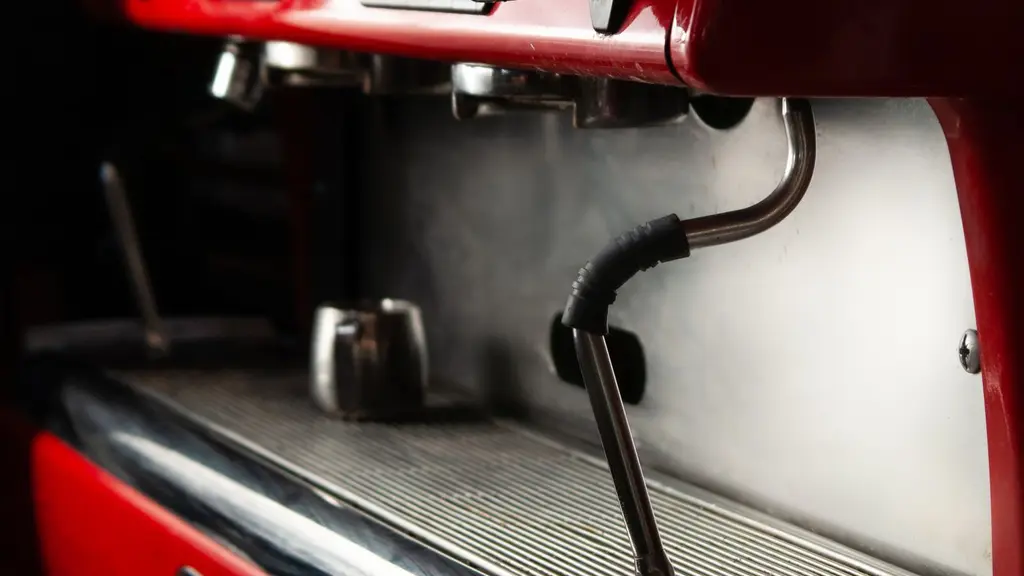
Descaling means flushing the mineral scale out of your coffee machine’s boiler and pipes, and in the UAE most machines need it every one to three months. You run a descaling solution (food-grade citric acid or a branded descaler) through the machine, then rinse with two clean-water cycles. How often you do it depends on your machine type and whether you brew with tap or filtered water. Here’s the practical UAE schedule, the machine-by-machine steps, and the signs you already waited too long.
Never mix vinegar with bleach or any chlorine-based cleaner - the combination releases toxic gases. Use one cleaner at a time and rinse thoroughly between products.
The quick answer
Descale every one to three months, using citric acid or a branded descaler, then rinse twice. Espresso and bean-to-cup machines need it most often because they push hot water through fine tubing under pressure. Capsule, drip, and Turkish makers can go a little longer. If you brew with bottled or filtered water instead of tap, you can stretch every interval below.
Key takeaways
- The UAE water reality is milder than it looks. Tap water here is desalinated, so it starts low in minerals, but building storage tanks and pipes add some back, and it varies by emirate and building. Many UAE homes already run bottled or filtered water through the machine, which slows scale build-up a lot.
- Machine type sets the schedule. Espresso and bean-to-cup machines descale most often, capsule and Turkish makers least often.
- Citric acid is the cheap, clean route. A few dirhams from any supermarket, no lingering smell.
- Vinegar works but has trade-offs. Fine on a cheap out-of-warranty machine, riskier on anything you want to keep for years.
- Rinsing is not optional. Always run two full tanks of clean water after any descaler so your next cup does not taste of it.
How often to descale in the UAE
There is no single number, because it depends on two things: what your machine is, and what water goes into it. UAE tap water is desalinated and moderately soft to begin with, but it picks up minerals from building tanks and pipework, so treat the tap column as your safer, more frequent schedule. If you fill the tank with bottled or filtered water, use the longer column.
| Machine type | Tap water (harder) | Bottled or filtered water |
|---|---|---|
| Capsule (Nespresso, Dolce Gusto) | Every 2 to 3 months | Every 3 to 4 months |
| Slim or semi-auto espresso | Monthly | Every 2 to 3 months |
| Bean-to-cup | Every 4 to 6 weeks, or when the light comes on | Every 2 to 3 months |
| Drip or filter | Every 1 to 2 months | Every 2 to 3 months |
| Turkish coffee maker | Every 2 to 3 months | Every 3 to 4 months |
If you cannot remember the last time you did it, do it now, then set a recurring reminder. A machine descaled on a schedule almost never gives you the slow-flow, bitter-cup problems below.
Descaling by machine type
Capsule machines (Nespresso, Dolce Gusto) make this easy: most have a built-in descaling mode. On a Nespresso Original machine you enter it by holding both buttons for a few seconds with the tank full of solution, let it cycle into a bowl, then repeat with plain water to rinse. Dolce Gusto machines follow a similar flow from the manual. The machine or its app usually tells you when it is due. If you are still choosing between systems, our capsule vs espresso machine explainer covers how each one handles upkeep.
Espresso machines need two jobs, not one. First, descale the boiler by running solution through the group head and the steam wand, then rinse twice. Separately, keep the group head and portafilter clear of old coffee oils with a quick water backflush (or a cleaning tablet on machines that support it). Scale and stale oils are two different problems, and a machine that pours slowly and bitter usually has both.
Bean-to-cup machines like the De’Longhi Magnifica S Smart run a guided descaling program: follow the on-screen or light prompts and use the descaler the manual names. These have more internal tubing than a capsule machine, so a skipped descale is the single most common reason they end up needing a repair.
Vinegar or a real descaler?
White vinegar does dissolve scale, and plenty of people reach for it because it is already in the cupboard. The catch is what manufacturers say: De’Longhi and Nespresso both recommend their own descaler and warn that vinegar’s acidity can be hard on internal seals and aluminium parts over time. On some machines, using a non-approved descaler can also complicate a warranty claim if something fails.
The neutral way to read that: on a cheap machine that is out of warranty, vinegar is a reasonable budget option as long as you rinse thoroughly afterward to clear the smell. On a bean-to-cup machine, or anything still under warranty, use citric acid or the manufacturer’s descaler and stay on the safe side. It is not worth risking an expensive machine to save a few dirhams.
What it costs, and the budget route
A bottle of name-brand descaler on Amazon.ae runs around 50 AED, and one bottle lasts several descales, so the per-use cost is small. Prices are approximate and change, so check before you buy. If you want the cheapest reliable route, food-grade citric acid from any UAE supermarket or pharmacy costs just a few dirhams: dissolve one to two tablespoons in a litre of warm water and run it through exactly like a bought descaler, then rinse with two full tanks of clean water. For where each type of machine sits on price when you are ready to buy or replace one, see coffee machine prices in the UAE.
Signs you already waited too long
- Water trickles through instead of a steady stream, and shots take noticeably longer.
- The pump is louder and the machine takes longer to heat up.
- Coffee tastes flat or bitter, with thin crema or none at all on espresso.
- The descale light or error is on and will not clear.
- You can see white, chalky crust around the tank, drip tray, or spout.
Two or three of these at once means descale today, then reset your reminder so it never gets that far again.
When to stop and call a technician
- Water still trickles through after a proper descale and two full clean-water rinses.
- The pump remains unusually loud or the machine still takes much longer to heat after descaling.
- The descale light or another error will not clear after the full routine is completed.
Stop using the coffee machine and have it checked by a qualified technician before using it again.
When to descale, and when to replace
Descaling on schedule is the cheapest way to make a coffee machine last for years, so it is worth the ten minutes it takes. But if yours pours weakly even after a proper descale, throws errors that will not clear, or is simply old and tired, that is the point to replace it rather than keep nursing it. Our guide to the best coffee machine in the UAE covers solid picks for every budget, and how to choose a coffee machine walks through the full buying criteria. For everything in this category in one place, browse the coffee machines section.
This analysis is based on published information from Amazon.ae.
Frequently asked questions
How often should I descale my coffee machine in the UAE?
For most homes, every one to three months. The exact interval depends on your machine type and the water you brew with. If you run tap water, lean toward the shorter end, monthly for an espresso machine, every two to three months for a capsule or Turkish maker. If you brew with bottled or filtered water, you can stretch those intervals a little. Bean-to-cup machines make it simple: descale whenever the light or on-screen prompt tells you to.
Can I use vinegar to descale, or will it void the warranty?
White vinegar dissolves scale and many people use it, but most manufacturers, De'Longhi and Nespresso included, recommend their own descaler and warn that vinegar's acidity can be harsh on internal seals over time. On some machines, using a non-approved descaler can complicate a warranty claim. On a cheap, out-of-warranty machine, vinegar is a fair budget option if you rinse very well afterward. On a bean-to-cup or anything still under warranty, stick with citric acid or the manufacturer's descaler.
What can I use instead of a branded descaler?
Food-grade citric acid is the common budget route in the UAE. It costs just a few dirhams from most supermarkets and pharmacies. Dissolve one to two tablespoons in a litre of warm water, run it through the machine like any descaling solution, then rinse with two full tanks of clean water. It clears scale as well as branded descaler for a fraction of the price, and it leaves no smell the way vinegar can.
How do I know my coffee machine needs descaling?
The clearest signs are slower flow, a louder pump, longer heat-up, and coffee that tastes flat or bitter with thin or no crema. Many machines also have a dedicated descale light or error. If you see white, chalky crust around the tank or drip tray, scale has already built up inside where you cannot see it, and it is well past time to descale.
Does a Nespresso or capsule machine still need descaling?
Yes. Capsule machines like Nespresso and Dolce Gusto build up scale in the boiler just like any other machine, which is why they have a built-in descaling mode. Most flag when it is due, often after a set number of capsules or a few months. Ignoring it leads to the same slow flow and weak, lukewarm shots you get on any machine that has not been descaled.