
 Egypt
Egypt  Saudi Arabia
  USA
USA Is an Inverter Washing Machine Worth It? Full Comparison
We may earn a commission from purchases through our links, at no extra cost to you. How we choose · Disclosure.
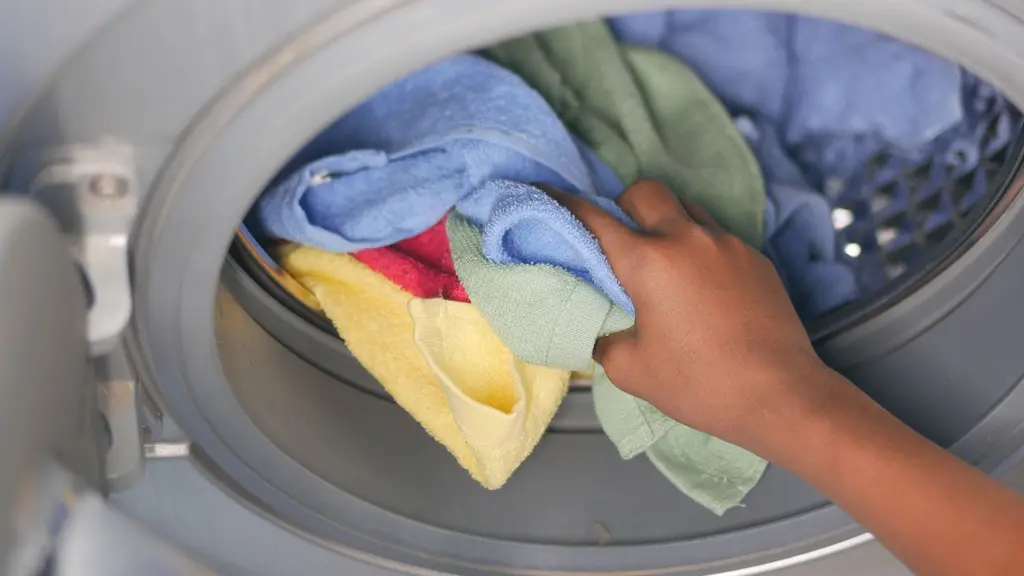
The price gap between an inverter washing machine and a conventional one can run to a few hundred dirhams, and the practical question is whether that gap is genuinely worth it for the long-term savings, or whether a conventional motor is good enough for most households. The answer depends more on how many washes you run weekly and how big they are than on either motor being objectively better.
The quick answer
An inverter motor continuously adjusts its speed based on load size, while a conventional motor runs at one fixed speed per program. This usually means lower electricity use and quieter running with inverter over the long run, at the cost of a higher upfront price and pricier repairs. Choose inverter if you wash daily or almost daily and plan to keep the machine for years, and choose conventional if budget comes first and your use is moderate.
Key takeaways
- An inverter motor is usually a directly driven brushless DC (BLDC) motor, a technology that allows finer speed control compared with a conventional motor connected by a mechanical belt (background on brushless DC motors from Britannica).
- A conventional motor runs at one fixed speed for each stage of the program, regardless of the actual load size inside the drum.
- The electricity difference shows up over the long run, not in a single wash, and depends on how many washes you run weekly and their size.
- An inverter motor costs more to repair, since its electronic control board is more complex than a mechanically simple conventional motor.
- The right capacity and spin speed matter for your daily comfort at least as much as motor type, so don’t let motor type alone be the deciding factor.
How each motor actually works
A washing machine with a conventional motor drives the drum at one preset fixed speed for each program, typically through a motor connected to the drum by a mechanical belt. A washing machine with an inverter motor uses a directly driven brushless DC motor that continuously adjusts its speed based on load size and cycle stage, running gently for a light load and automatically ramping up power for a heavier one instead of treating every load with the same fixed force (washing machine overview from Britannica).
The full comparison
| Factor | Inverter motor | Conventional (fixed-speed) motor |
|---|---|---|
| Upfront price | Usually higher | Usually lower |
| How it runs | Adjusts speed directly to the load | Runs at one fixed speed per program |
| Noise | Usually quieter, especially during spin | Louder, especially at top spin speeds |
| Long-term electricity use | Usually lower with frequent use | Usually higher with frequent use |
| Motor warranty | Often longer (stated explicitly by the maker) | Usually a shorter standard warranty |
| Repair cost | Higher, more complex electronics | Usually simpler and cheaper |
| Best for | Frequent daily use, long-term savings | Tighter budgets, moderate use |
Is the price gap actually worth it?
The honest answer depends on your actual usage, not one motor type being objectively superior. A household that washes daily or almost daily, or a large family with frequent loads, benefits more from an inverter’s efficiency and steady, quiet running, and over the long run the electricity savings can offset part of the higher upfront price. A household washing only two or three times a week, or a tighter budget that favors mechanical simplicity and cheaper repairs, may find a conventional motor the more sensible choice.
If your budget is tight
If upfront price matters more than long-term savings, a conventional motor is a perfectly sound choice, not a compromise on quality, just a different way of running. Just make sure the machine covers the capacity, spin speed, and programs you actually need, since those factors affect your daily comfort at least as much as motor type.
A criterion that matters more than motor type alone
Whichever motor type you choose, the right capacity for your household and a comfortable spin speed affect your day-to-day experience more than motor type by itself. A practical example that pairs reliable family-size capacity is the Samsung 8Kg Ecobubble (≈ AED 1,329), which is why it tops our guide to the best washing machine in the UAE. If an inverter motor specifically is a deciding factor for you, check the product listing or spec sheet for any model before buying, since our picks focus on capacity and reliability first rather than motor type specifically.
See the Samsung 8Kg Ecobubble price on Amazon.ae ↗
Bottom line
An inverter motor adjusts its speed to the load and tends toward lower electricity use and quieter running over the long run, at the cost of a higher upfront price and pricier repairs. A conventional motor is simpler and cheaper upfront but uses more with frequent use. Decide based on your actual usage rather than general assumptions, and remember capacity and spin speed matter for daily comfort at least as much as motor type. To size your capacity first, see our washing machine capacity guide, for the full buying criteria read how to choose a washing machine, and browse everything else in this category in our washing machines hub.
Sources
- Britannica, “Permanent-magnet (brushless) motors”, background on the motor technology used in most inverter systems: https://www.britannica.com/technology/electric-motor/Permanent-magnet-motors
- Britannica, “Washing machine”, overview of drum motor drive mechanisms: https://www.britannica.com/technology/washing-machine
This analysis is based on published information from Britannica (Permanent-magnet (brushless) motors), Britannica (Washing machine).
Frequently asked questions
What's the basic difference between an inverter and a conventional washing machine motor?
A conventional motor runs at one fixed speed per wash program. An inverter motor continuously adjusts its speed based on the actual load size and the stage of the cycle, usually through a brushless DC (BLDC) motor driven directly without a mechanical belt. That finer control is the basis for the electricity and noise differences between the two.
Does an inverter washing machine actually save electricity?
Usually yes with frequent use, because adjusting speed to the actual load is more efficient than a motor that runs at one fixed speed regardless of load size. The real difference on your electricity bill depends on how many washes you run per week and their size, and there's no single fixed number that applies to every home.
Is an inverter washing machine actually worth the extra price?
It depends on your usage. A household that washes daily or almost daily benefits more from an inverter's efficiency and quiet running over time, and often recovers part of the price difference through lower electricity and maintenance costs. A household that washes only two or three times a week may find a conventional motor makes more financial sense.
Is an inverter washing machine harder to maintain than a conventional one?
Usually yes in terms of repair cost, since an inverter motor relies on an electronic control board to manage its speed, making diagnosis and parts more complex and sometimes pricier than a mechanically simpler conventional motor. Make sure any technician you use actually has experience with inverter systems before they diagnose a fault.
How do I confirm the washing machine I'm buying actually has an inverter motor?
Manufacturers state this explicitly in the product title or spec sheet, often with the words Inverter or Digital Inverter Motor. Don't assume the feature exists based on price or looks alone, and check the actual product listing or model manual before buying if an inverter motor specifically matters to you.