
 Egypt
Egypt  Saudi Arabia
  USA
USA Refrigerator Stopped Working? A Troubleshooting Guide
We may earn a commission from purchases through our links, at no extra cost to you. How we choose · Disclosure.
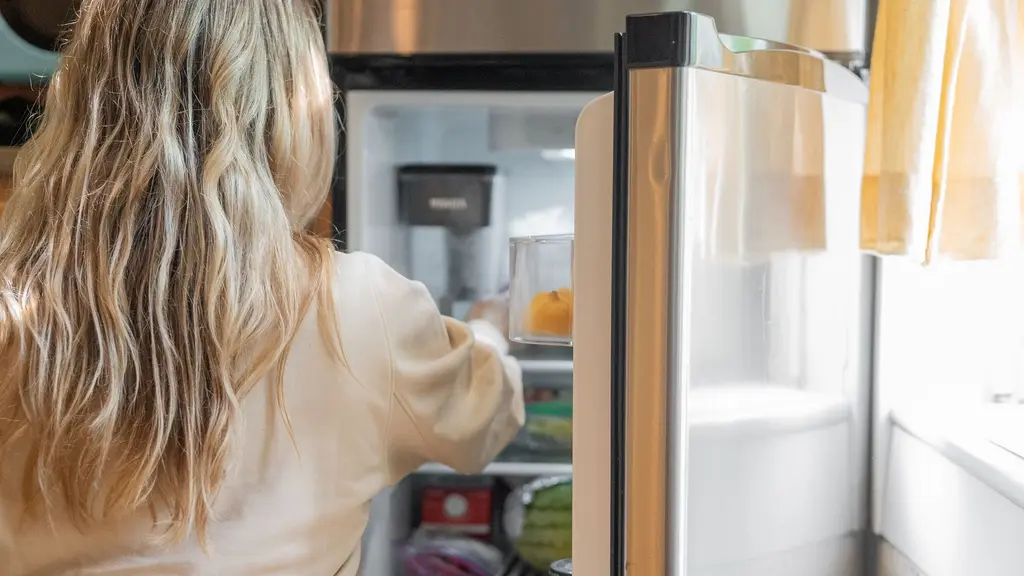
If your refrigerator has stopped working entirely, check these things in order before calling a technician: the power supply (plug, breaker, the outlet itself), the thermostat setting, the condenser coil’s cleanliness, and the rubber door seal’s condition. Most cases of a fridge stopping come down to one of these four, not an actual compressor fault. Always start with power, it’s the easiest check and the one most often skipped.
The quick answer
If your fridge stops working, check in order: the power supply, the thermostat setting, the condenser coil’s cleanliness, and the rubber door seal, before assuming a compressor fault. Most cases come down to one of these four and can be fixed yourself with no technician needed. If you’ve checked all of this and the fridge is still dead, or you hear an unusual sound from the compressor, or smell burning, stop and call a licensed refrigeration technician right away.
Key takeaways
- The power supply is the first check and the one most often skipped: a loose plug, a tripped breaker, or a dead outlet (background on the circuit breaker’s role from Britannica).
- A fridge that lights up but doesn’t cool is usually a thermostat, condenser coil, door seal, or overloading issue, not a fault in the compressor itself.
- A soft click is normal, but a loud, continuous grinding or buzzing sound is a warning sign pointing to a failing compressor or fan.
- A cold freezer with a warm fridge compartment usually points to a blocked air duct or a broken internal fan, not a problem with the freezer itself.
- If you’ve checked every common cause and the temperature still hasn’t improved, the cause is most likely an actual fault inside a sealed circuit that needs a licensed technician, not a DIY attempt (definition of the refrigerator and its core parts from Britannica).
The checklist in order: easiest to hardest
- Check the power supply: the plug, the cord, the breaker, and the outlet itself.
- Check the thermostat setting: make sure it wasn’t accidentally set too low or switched off.
- Check the condenser coil and the ventilation around it: a thick layer of dust stops it from shedding heat efficiently.
- Check the rubber door seal: is it actually sealing tightly at every point around the door?
- Listen to the compressor and the fan: a soft click is normal, a loud grinding or buzzing sound is a warning sign.
Quick diagnostic table
| Sign | Likely cause | What to check |
|---|---|---|
| No interior light, unit completely dead | No power reaching the unit | Outlet, plug, breaker |
| Light works but no cooling | Thermostat, condenser coil, door seal, or overloading | See our guide on fridges not cooling in summer |
| Freezer cold, fridge compartment warm | Blocked air duct or broken internal fan | Food packages in front of the vent |
| Loud, continuous grinding or buzzing | Failing compressor or fan | Call a technician |
| Only a soft click or tick | Normal thermostat or defrost timer cycling | Usually no action needed |
Check the power supply first
Before assuming any internal fault, confirm power is actually reaching the fridge. Check the plug itself is fully seated in the outlet, and look for any cut or scorch mark on the cord. Go to the main electrical panel and check the kitchen circuit’s breaker, since it may have tripped without your noticing. To confirm the outlet itself works, plug in another appliance you know is fine into the same outlet and see if it runs. If the outlet has a reset button (GFCI), check whether it’s tripped and needs a simple press to restore power.
Check the thermostat and temperature settings
If the fridge lights up and runs but isn’t cooling, check the temperature dial or display first, since it’s sometimes accidentally set too warm or even switched to off during cleaning or moving the fridge. Reset it to the mid-range setting recommended in your model’s manual, and wait a few hours before judging the result, since the fridge needs time to reach its target temperature again after any setting change.
When is it an actual fault that needs a technician
If you’ve gone past the power and thermostat checks and reached cleaning the condenser coil and checking the door seal, and the problem persists, the full details on these causes are in our guide on fridges not cooling in summer. But if you hear a continuous grinding sound from the compressor, see smoke, or smell burning, stop any DIY attempt immediately and call a licensed refrigeration technician, since these are signs of a fault inside the sealed refrigerant circuit, an area you shouldn’t open yourself.
A practical add-on for regular coil checks
Since a dusty condenser coil is one of the most common causes of a fridge stopping, a long, flexible condenser cleaning brush makes it easier to reach the tight gaps behind or under the fridge without pulling it fully out of place, a cheap, practical add-on that turns checking and fixing this cause into a job of minutes. It complements the regular checklist rather than replacing it, so always confirm power and the thermostat first before moving on to cleaning the coil.
A reliable fridge that reduces this problem in the first place
If your current fridge has broken down repeatedly despite all this checking and genuinely needs replacing, a practical criterion worth looking for is a model with hundreds of positive reviews and a design that makes the condenser coil easy to reach. A practical example from our shortlist: the Hisense 418L Top Mount No-Frost HTM60320D3AZ (≈ 1,092 AED), which is why it tops our guide to the best refrigerator in the UAE.
See the Hisense 418L HTM60320D3AZ price on Amazon.ae ↗
Bottom line
If your fridge stops working, check in order: the power supply, the thermostat setting, the condenser coil’s cleanliness, and the rubber door seal, before assuming a compressor fault. Most cases can be fixed yourself at this stage with no technician needed. If the problem persists, or you hear a grinding sound, or smell burning, stop and call a licensed refrigeration technician right away. If your issue is specifically weak cooling in hot summer weather rather than a complete stop, see our guide on fridges not cooling in summer. And if you’re considering a new fridge instead of repairing this one, read our refrigerator size guide or how to choose a refrigerator, and browse refrigerators in the UAE in full.
Sources
- Britannica, “Refrigeration”, definition of the refrigerator and its core parts like the compressor and thermostat: https://www.britannica.com/technology/refrigeration
- Britannica, “Circuit breaker”, background on the circuit breaker’s role in protecting the kitchen’s electrical circuit: https://www.britannica.com/technology/circuit-breaker
This analysis is based on published information from Britannica (Refrigeration), Britannica (Circuit breaker).
Frequently asked questions
My fridge is completely dead, no interior light at all, what do I check first?
Check the power supply before anything else. Make sure the plug is fully seated in the outlet, look the cord over for any obvious cut or chew damage, and check the kitchen circuit's breaker in the electrical panel. Try plugging in another appliance you know works into the same outlet to confirm the outlet itself has power. If the outlet has a reset button (GFCI), check whether it's tripped and needs a press to reset.
The interior light works but the fridge isn't cooling, what's the cause?
The most common causes are a thermostat accidentally set too low or switched off, a condenser coil coated in dust, internal air vents blocked by overloading, or a worn door seal. See our [guide on fridges not cooling in summer](/en-ae/blog/fridge-not-cooling-in-summer/) for a detailed walkthrough of exactly these three causes and how to fix each. If you've checked all of this and the temperature still hasn't improved, the cause is most likely a failing compressor or fan.
I hear a clicking or a strange buzzing sound from the fridge, is that dangerous?
Some sounds are completely normal, like a soft click when the thermostat or an automatic defrost timer switches. But a loud, continuous grinding or buzzing sound that doesn't stop, combined with poor cooling, usually points to a failing compressor or an internal fan about to break, and that needs a specialist rather than a DIY attempt.
The freezer works fine but the fridge compartment itself is warm, what should I check?
Check the vent or air duct that channels cold air from the freezer to the fridge compartment, since a large food package can block it, or ice can build up and block it in older, not-fully-frost-free models. Also confirm the fridge compartment's own temperature dial is set correctly. If the problem continues after that check, the cause is usually a broken internal circulation fan that needs a technician.
When do I stop trying to fix it myself and call a refrigeration technician?
After confirming the power supply, thermostat setting, condenser coil cleanliness, and door seal are all fine, and the fridge is still not cooling, or if you smell burning, see smoke, or hear a grinding sound from the compressor, stop immediately and call a licensed refrigeration technician. The refrigerant circuit is sealed and isn't something to open or attempt to fix yourself.