
 Egypt
Egypt  Saudi Arabia
  USA
USA Washing Machine Not Working? What to Check First
We may earn a commission from purchases through our links, at no extra cost to you. How we choose · Disclosure.
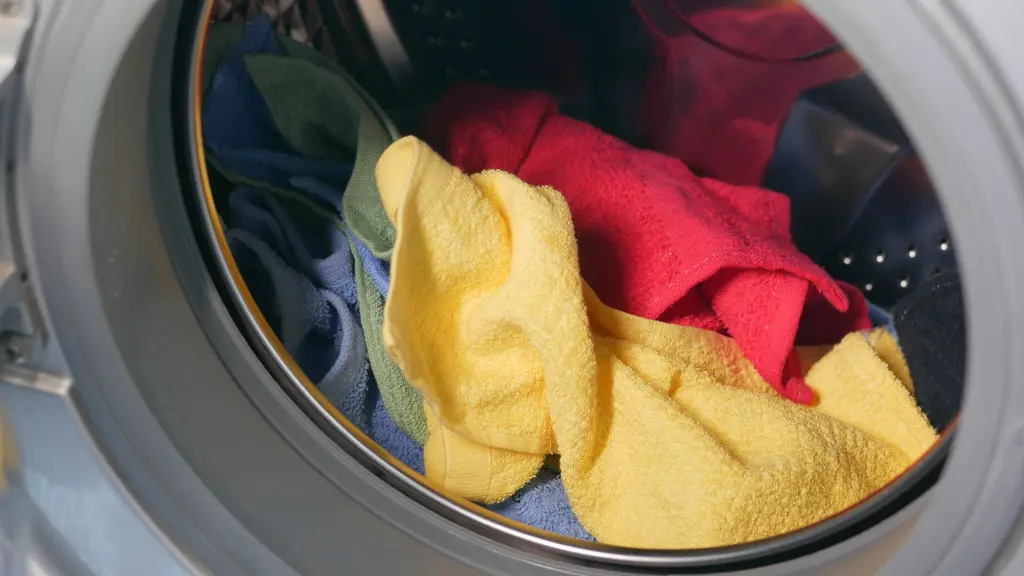
If your washing machine suddenly stops working, the cause in most cases is simple before you think about calling a technician: a door that isn’t latched firmly, a closed water valve behind the unit, an unbalanced load that stopped the spin cycle, or a kinked drain hose. Try the checks in this guide in order first, since most washing machine faults in the UAE get resolved without a technician at all.
The quick answer
Check first that the door is closed firmly and the water valve behind the unit is fully open, then redistribute the load if the spin cycle stopped, then check the drain hose for a kink or a blockage. These four points explain most cases of “the washing machine isn’t working” or “it won’t finish the cycle.” Water leaking, unusual motor noise, and a breaker that keeps tripping are signs of a real internal fault that needs a technician.
Key points
- Most faults have a simple cause, not an internal breakdown, which is true across most large home appliances (overview of washing machine components from Britannica).
- The vibration sensor stops the spin cycle on purpose when a load is unbalanced, which is a protective measure, not a fault.
- Limescale from the UAE’s hard water gradually builds up on the heating element if the machine isn’t cleaned periodically (general background on limescale, from USGS).
- A closed water valve or a kinked drain hose stop the cycle midway before it can finish.
- Water leaking, a grinding motor sound, or a breaker that keeps tripping are signs that need a technician, not a home fix.
How a washing machine actually works
A front-load washing machine runs on a simple cycle: a valve lets water in, a drum spins on a horizontal axis to tumble clothes through water and detergent, a heating element raises the water temperature when needed, and a high-speed spin cycle pulls out excess water before the cycle ends (overview of the washing machine from Britannica). Most everyday faults happen at one of these stages: water intake, tumbling, heating, or spinning and draining, which is why diagnosing in order is effective before assuming something more complicated.
Symptom, likely cause, and fix
| Symptom | Likely cause | Fix |
|---|---|---|
| The unit won’t start a cycle at all | Door not latched firmly, or the water valve is closed | Close the door until you hear it lock, and fully open the water valve behind the unit |
| The unit stops before the spin cycle | Unbalanced load inside the drum | Redistribute the clothes by hand and restart the spin cycle |
| Water doesn’t drain at the end of a cycle | Drain hose is kinked or blocked | Check the hose behind the unit and make sure it isn’t bent |
| Wash cycles run slower than usual, or water doesn’t heat | Limescale buildup on the heating element | Run an empty cycle with a washing machine descaler |
| The unit trips the breaker on startup | Electrical overload or an internal wiring fault | Reset the breaker once; if it trips again immediately, call an electrician |
Diagnose it in order
- Check the door and power first: close the door firmly, and confirm the plug is connected and the breaker is fine.
- Check the water valve behind the unit: it should be fully open, since any partial closure prevents the cycle from finishing.
- Redistribute the load: if the cycle stopped before spinning, open the door and rearrange the clothes evenly inside the drum.
- Check the drain hose: make sure it isn’t kinked and that the drain itself isn’t blocked on the wall side.
- Check the display for an error code: most manufacturers publish a per-model error-code guide on their official site.
- Run a short empty test cycle: if the problem disappears, it was a minor glitch. If it persists, move to the next step.
When you need a technician, not a home fix
Some signs go beyond what you can fix at home: visible water leaking from underneath the unit, a metallic grinding sound from the motor during a cycle, a heating element that doesn’t raise the water temperature even though the cycle runs to completion, or a breaker that trips repeatedly after you reset it. In these cases, opening the unit yourself can make things worse and void the warranty if it’s still covered.
One simple habit prevents half of these faults
Before you even think about a technician, one habit noticeably cuts down how often these faults happen, especially in the UAE: the mains water here is fairly hard, and limescale quietly builds up on the heating element and the machine’s internal pipework with every hot cycle. The result shows up gradually as slower cycles, water that doesn’t heat properly, and sometimes a recurring error code with no obvious cause. Running an empty cycle with a washing machine descaler every two to three months, depending on how heavily you use the machine and how hard your local water is, keeps that buildup under control before it turns into an actual fault. It’s a cheap preventive step compared with the cost of replacing a heating element later.
If it’s time to replace
If the same fault keeps recurring despite repairs, or your current machine is already old, the question shifts from “how do I fix it” to “is it even worth fixing.” Our reliable replacement pick stays the Samsung 8Kg Ecobubble, with a drum that handles a family-size wash and hundreds of positive reviews on Amazon.ae. You’ll find full details and other picks in our guide to the best washing machine in the UAE.
See the Samsung 8Kg Ecobubble price on Amazon.ae ↗
Bottom line
Most cases of “my washing machine isn’t working” in the UAE come down to simple causes: an unlatched door, a closed water valve, an unbalanced load, or a kinked drain hose. Work through the checks above in order before calling a technician. Water leaking, unusual motor noise, and a breaker that keeps tripping are signs that need professional help, and a periodic descaling cycle prevents a lot of these faults in the first place given the UAE’s hard water. To find the right capacity for your household before you buy, see our guide to choosing a washing machine, or if you’re comparing formats, read front load vs top load washing machine. For everything else in this category, browse our washing machines section.
Sources
- Britannica, “Washing machine”,” overview of washing machine components and how they work (water intake, tumbling, heating, spinning and draining): https://www.britannica.com/technology/washing-machine
- USGS, “Hardness of water”,” general background on limescale and how it builds up in appliances that heat hard water: https://www.usgs.gov/water-science-school/science/hardness-water
This analysis is based on published information from Britannica (Washing machine), USGS (Hardness of water).
Frequently asked questions
Why won't my washing machine start when I press the power button?
The most common cause is a door that isn't latched firmly, since most front-load machines refuse to start until they hear a clear lock click, or a water supply valve behind the unit that's fully closed. Also check that the plug is properly connected and that the laundry room's circuit breaker hasn't tripped. If all of that checks out and the unit doesn't respond at all, the issue is likely the internal control board and needs a technician.
Why does my washing machine stop mid-cycle and not finish the wash?
The most common cause is an unbalanced load inside the drum, since the vibration sensor stops the spin cycle to protect both the machine and the floor, and redistributing the clothes by hand usually fixes it. The second cause is a partially closed water valve, so the machine is waiting for water to fill and can't continue. Also check for an error code on the display, since most manufacturers publish a free error-code guide on their site.
Why won't my washing machine drain the water at the end of a cycle?
Usually because the drain hose is kinked or blocked with lint and debris, so the water-level sensor stops the cycle from completing to protect against overflow. Check the hose behind the unit first, then confirm the drain itself isn't blocked on the wall side. If the problem persists after checking both, the internal pump is the next likely cause and needs a technician.
Can I fix a washing machine myself, or do I need a technician?
Issues related to the door, the water valve, an unbalanced load, and a kinked drain hose are all steps anyone at home can handle without special tools. Water leaking from underneath the unit, unusual grinding noises from the motor, a heating element that isn't working, or a breaker that keeps tripping after you reset it are signs of an internal fault that need a qualified technician.
How do I stop washing machine faults caused by the UAE's hard water?
Limescale from the UAE's hard water builds up gradually on the heating element and the machine's internal pipework, showing up as slower cycles, water that doesn't heat properly, or a recurring error code. Running an empty cycle with a washing machine descaler every two to three months, depending on how heavily you use the machine, keeps that buildup under control before it turns into an actual fault.