
 Egypt
Egypt  Saudi Arabia
  USA
USA Why Does a Steam Iron Smell, and How Do You Fix It?
We may earn a commission from purchases through our links, at no extra cost to you. How we choose · Disclosure.
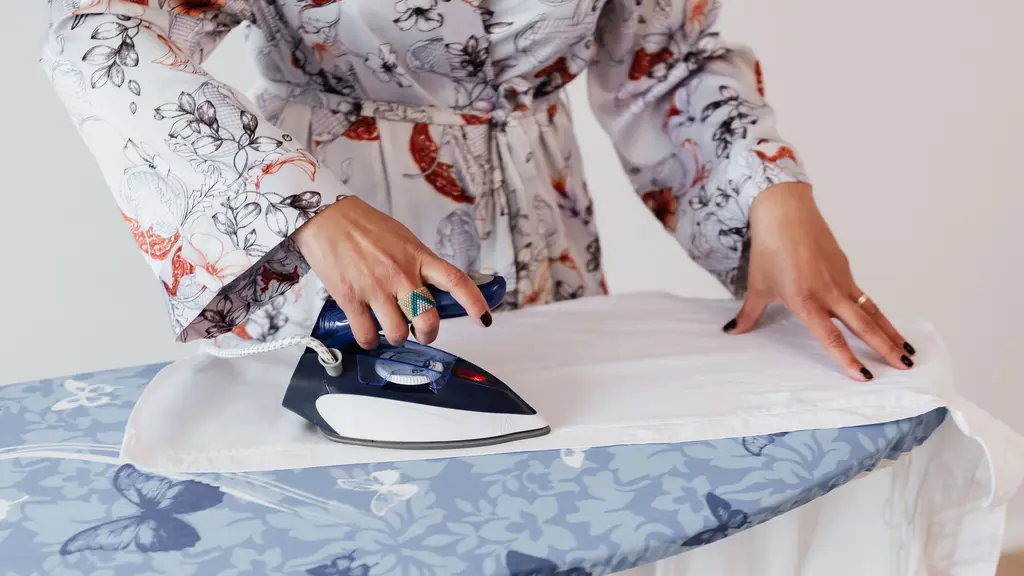
A bad steam iron smell usually comes from one of two things: standing water left in the tank between uses, which grows a light mold, or mineral scale built up on the heating element that partially burns off with every use. The fix for both is the same pattern: empty and dry the tank after every use, and descale regularly with citric acid or diluted vinegar.
Never mix vinegar with bleach or any chlorine-based cleaner - the combination releases toxic gases. Use one cleaner at a time and rinse thoroughly between products.
The quick answer
A steam iron smell comes from standing water left in the tank between uses, or mineral scale buildup that partially burns off when heated. Empty and dry the tank after every use to prevent a musty smell, and descale every one to three months with citric acid or diluted white vinegar to prevent a burning smell. Switching to distilled or filtered water instead of tap water slows both problems down.
Key takeaways
- Standing water in the tank is a suitable environment for light mold growth within just a few days, and it’s the most common source of a musty or damp smell.
- Mineral scale built up on the heating element partially burns off with every use, producing a light burning smell even when the unit looks fine on the outside (limescale background from USGS).
- The smell isn’t a fault in the machine itself, it’s a direct result of usage habits and how water is stored.
- Steam irons and garment steamers share the same problem, since both store water and turn it into steam through a heating element.
- Regular cleaning prevents the smell from the start, not air fresheners or any temporary fix.
Cause one: standing water in the tank
Leaving water inside a steam iron or garment steamer’s tank between uses creates a damp, enclosed environment, which is an ideal setting for light mold or bacteria to grow within just a few days. When you run the unit afterward, that water turns to steam and carries the musty or damp smell straight onto the fabric you’re pressing. The fix is simple: empty the tank after every use, and don’t leave it full for days even if you plan to use the unit again soon.
Cause two: mineral scale burning on the heating element
Every time tap water passes through the heating element, it leaves behind a small trace of whatever minerals were dissolved in it. Over time, that trace builds into mineral scale stuck directly to the heating element. On the next heating cycle, part of that scale partially burns off, producing a light burning smell or an odd metallic smell even when the unit looks clean on the outside. This problem gets gradually worse the longer descaling is neglected.
Table: cause versus quick fix
| Symptom | Likely cause | Fix |
|---|---|---|
| Musty or damp smell when opening the tank | Standing water between uses | Empty and dry the tank after every use |
| Light burning smell while ironing | Mineral scale on the heating element | Descale with citric acid or vinegar every one to three months |
| Odd metallic smell in the steam | High-mineral tap water | Switch to distilled or filtered water |
| Smell lingers after cleaning | Leftover cleaning solution residue | Rinse the tank twice with clean water after any cleaner |
Steps to get rid of the smell for good
- Empty the tank completely and leave it open to dry fully before storing.
- Dissolve two tablespoons of food-grade citric acid (or a similar amount of white vinegar) in a cup of warm water.
- Pour the solution into the tank and run the unit until steam comes out for a few minutes over a sink or an old towel.
- Rinse the tank twice with clean water to remove any trace of the solution’s smell before using it directly on clothes.
- Switch to distilled or filtered water if you’re currently using tap water directly, to slow scale from coming back.
Do you need a dedicated product?
Citric acid or diluted white vinegar solve the problem for next to nothing, and that’s enough for most cases. If you’d rather have a ready-made solution, you can use a dedicated kettle and iron descaler according to the product instructions, but it isn’t necessary if the homemade fix is already clearing the smell for you.
An iron that reduces the chance of smell from the start
Part of the long-term fix is choosing a well-built unit from the start. A practical example from our shortlist: the Philips Steam Iron 3000 Series, with a 2600W element and 40g/min steam output, backed by hundreds of positive reviews on Amazon.ae. We didn’t pick it for being the cheapest, we picked it because the balance of power and price makes sense, which is why it tops our guide to the best steam iron in the UAE. You’ll find its current price and Amazon.ae link in the card below.
When to stop and call a technician
- The smell persists after the tank is emptied, cleaned, and descaled.
- Heavy smoke appears with the smell.
- The iron makes an unusual sound while heating or steaming.
- Steam remains weak after the scale-cleaning routine.
Stop using the steam iron and have it checked by a qualified technician before using it again.
Bottom line
A steam iron or garment steamer smell isn’t always a permanent flaw, it’s a direct result of standing water in the tank or mineral scale built up on the heating element. Empty and dry the tank after every use, descale every one to three months with citric acid or diluted vinegar, and switch to distilled or filtered water if you can. For a fuller cleaning routine specifically for a garment steamer, read how to clean a garment steamer. And if you’re still deciding between a steam iron and a garment steamer in the first place, see steam iron vs garment steamer. For the full buying criteria, read how to choose a steam iron, or browse our steam irons section.
Sources
- USGS, “Hardness of water”, background on limescale and how it forms from dissolved minerals in water: https://www.usgs.gov/water-science-school/science/hardness-water
This analysis is based on published information from USGS (Hardness of water).
Frequently asked questions
Why does my steam iron smell like burning?
The most likely cause is mineral scale built up on the heating element that partially burns off with every use, even if the unit looks clean on the outside. Descaling with citric acid or diluted white vinegar every one to three months prevents this smell from the start.
Why does my steam iron smell musty or damp?
Usually because water was left standing in the tank between uses, which is a suitable environment for light mold growth within a few days. Empty the tank and dry the unit after every use to prevent this smell entirely.
Is tap water a major cause of steam iron smell?
Yes, because tap water carries minerals that build up on the heating element with every use, and it's that buildup that partially burns off and produces the burning smell. Switching to distilled or filtered water slows the problem considerably.
Does a garment steamer get the same smell problem?
Yes, because it stores water and turns it into steam through a heating element exactly like a steam iron, so standing water and mineral scale cause the same smell in it too. The cleaning and prevention steps are very similar between the two.