
 Egypt
Egypt  UAE
UAE  USA
USA How to Clean a Dehumidifier (and How Often)
We may earn a commission from purchases through our links, at no extra cost to you. How we choose · Disclosure.
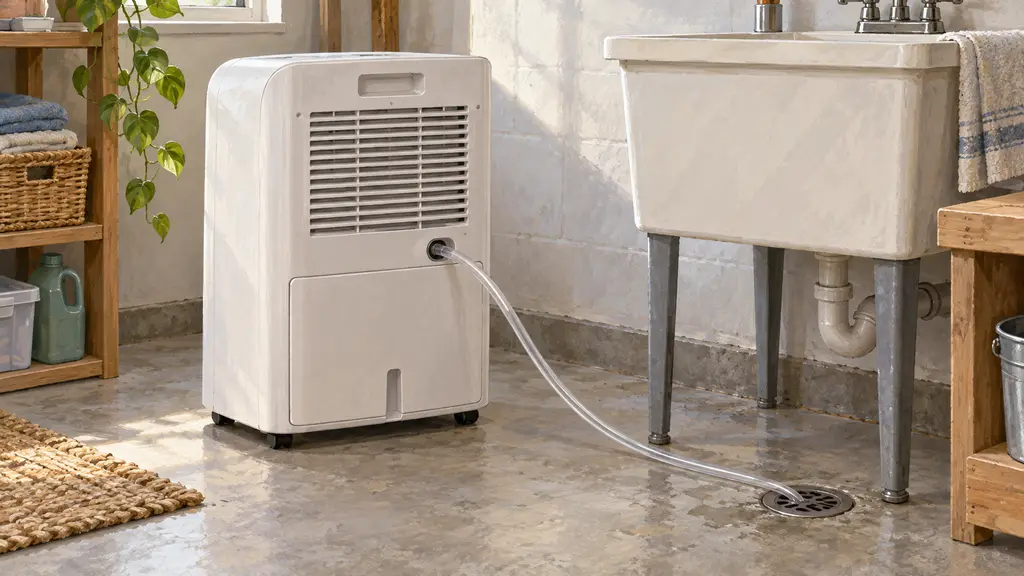
Cleaning a dehumidifier comes down to two recurring steps: emptying and washing the water tank before standing water can collect in it, and cleaning the washable filter behind the air intake every two to four weeks. The step most owners skip is the filter specifically, which is what causes a musty smell and a drop in moisture-removal efficiency over time. Keeping up with these two points regularly is what actually keeps the unit performing well and extends its life.
The quick answer
Empty and wash a dehumidifier’s tank with warm water and mild soap every day if it’s running continuously, and clean the washable filter behind the air intake every two to four weeks. That’s enough to prevent musty odors and keep moisture-removal efficiency up. There’s no dehumidifier tank we know of that’s dishwasher-safe, so hand washing and drying it fully before reassembly is the only correct method.
Key takeaways
- A compressor unit collects condensed water vapor as liquid water in a tank, and standing water left for a while in a warm spot is exactly the environment mold and bacteria thrive in (dehumidifier definition from ENERGY STAR).
- The washable filter behind the air intake traps dust carried in with incoming air, and letting it build up reduces moisture-removal efficiency and causes odor if it stays damp for long (mold background from US EPA).
- Emptying the tank daily during continuous use prevents standing water from accumulating, which is the most common cause of a musty smell, not a fault in the unit itself.
- Drying completely before reassembly matters as much as the wash itself, because leftover moisture inside the tank or filter brings the problem right back within days.
- A torn filter or a musty smell that persists despite thorough cleaning means cleaning is no longer enough, so check the model manual or manufacturer for the compatible replacement part.
Emptying and washing the tank regularly
The most important step is stopping standing water from collecting in the first place. If the unit is running continuously on a humid day, empty the tank daily and don’t let it sit full for more than a day or two. At least once a week, wash the tank with warm water and mild soap, rinse it well until all the soap suds are gone, then let it dry completely before putting it back in the unit. Leftover moisture inside a closed tank is exactly the environment mold and bacteria grow in quickly, and it’s the most common cause of a musty smell many owners notice even though the unit is technically running fine.
Cleaning the washable filter
Most compressor units have a removable filter behind the air intake, whose job is to trap dust before it reaches the cold coil inside the unit. A filter clogged with dust reduces airflow and moisture-removal efficiency, and can speed up frost forming on the coil in cooler conditions. Slide the filter out gently per your model’s manual, rinse it under lukewarm running water until the water runs clear of dust, then let it air-dry completely before putting it back in, since a damp filter traps dust faster and holds onto extra moisture. Clean it every two to four weeks depending on how heavily you use it, and more often during dust storm season.
Cleaning table: do and don’t
| Part | Do | Don’t |
|---|---|---|
| Water tank | Wash with mild soap and dry completely | Leave it sitting full of standing water for days |
| Filter | Rinse with lukewarm water and air-dry before reinstalling | Reinstall it damp or skip cleaning it for many weeks |
| Coil and outer vents | Wipe with a dry cloth or soft brush | Spray water directly onto any electrical part |
| Unit body | Wipe the outside with a damp, well-wrung cloth | Submerge it in water or put it in the dishwasher |
Getting rid of a stubborn musty smell
If a musty smell persists despite emptying the tank regularly, start by washing the tank thoroughly with warm water and mild soap, then rinse with a diluted white vinegar solution if the smell is stubborn, and dry it completely before reassembly. Clean the filter at the same time, since trapped dust and moisture in it is a common cause of odor too, not just the tank. If the smell continues after cleaning both the tank and filter thoroughly and drying them fully more than once, the filter has likely gone past the point where cleaning helps, so check the model manual or manufacturer and identify the compatible replacement part.
Never mix vinegar with bleach or any chlorine-based cleaner - the combination releases toxic gases. Use one cleaner at a time and rinse thoroughly between products.
A unit that rewards regular care: the Pro Breeze 12L/Day
Whether you already own a dehumidifier or are shopping for one, regular care for the tank and filter is what actually keeps moisture-removal efficiency up over time, whatever the model. A practical example from our shortlist: the Pro Breeze 12L/Day Digital Dehumidifier, with enough capacity for a bedroom or living room and a digital display that makes it easy to track performance, backed by thousands of positive reviews on Amazon.sa confirming it holds up well with regular maintenance. It’s also the top pick in our guide to the best dehumidifier in Saudi Arabia.
See the Pro Breeze 12L/Day Digital Dehumidifier price on Amazon.sa ↗
When to stop and call a technician
- A musty smell persists after the tank and filter are cleaned and fully dried more than once.
- The filter is torn and a compatible replacement cannot be identified.
- The unit suddenly stops working despite regular tank and filter care.
Stop using the appliance and have a qualified technician inspect it before using it again.
Bottom line
Cleaning a dehumidifier isn’t complicated: emptying and washing the tank regularly prevents standing water and musty odors, and cleaning the washable filter every two to four weeks keeps moisture-removal efficiency up. Neither part goes in the dishwasher, and drying completely before reassembly matters as much as the wash itself. If a musty smell persists despite good cleaning or the filter is torn, use only the compatible replacement part specified by the model manual or manufacturer. If the unit suddenly stops working despite good care, dehumidifier not working: what to check before you replace it covers the common causes. For the full buying criteria, see our guide on how to choose a dehumidifier, and if you’re still shopping for a unit in the first place, browse our guide to the best dehumidifier in Saudi Arabia or the full dehumidifiers section.
Sources
- ENERGY STAR, “Dehumidifiers”, definition of the dehumidifier and how it collects condensed water in a tank: https://www.energystar.gov/products/dehumidifiers
- US EPA, “Mold, moisture and your home”, background on mold and the standing-moisture conditions it thrives in: https://www.epa.gov/mold/brief-guide-mold-moisture-and-your-home
This analysis is based on published information from ENERGY STAR (Dehumidifiers), US EPA (Mold, moisture and your home).
Frequently asked questions
How often should I clean a dehumidifier?
Empty and rinse the tank every day if the unit runs continuously, so standing water doesn't sit long enough to cause a musty smell. The washable filter behind the air intake needs cleaning every two to four weeks depending on how heavily you use it and how dusty the air is, and more often during dust storm season. A deeper clean of both the tank and filter together is enough once a month for moderate use.
Can a dehumidifier tank go in the dishwasher?
No, there's no dehumidifier tank we know of that's rated dishwasher-safe. The tank is hand-washed with warm water and a mild soap, rinsed well, and left to dry completely before it goes back in, because leftover moisture inside a closed tank encourages the exact mold growth you're trying to get rid of.
How do I get rid of a musty smell from a dehumidifier?
Wash the tank well with warm water and mild soap, and rinse with a diluted white vinegar solution if the smell persists, then dry it completely before reinstalling. Clean the filter at the same time, since trapped dust and moisture in it is a common cause of odor too. If the smell continues after cleaning both the tank and filter thoroughly, the filter itself may be damaged and need replacing rather than more cleaning.
When should I replace a dehumidifier's filter instead of cleaning it?
If the filter is torn, visibly discolored, or a musty smell persists despite washing and fully drying it more than once, cleaning is no longer enough and a replacement filter is the practical fix, rather than trying to revive a filter that's past its useful life.