
 Egypt
Egypt  UAE
UAE  USA
USA How to Clean a Fan at Home, Step by Step
We may earn a commission from purchases through our links, at no extra cost to you. How we choose · Disclosure.
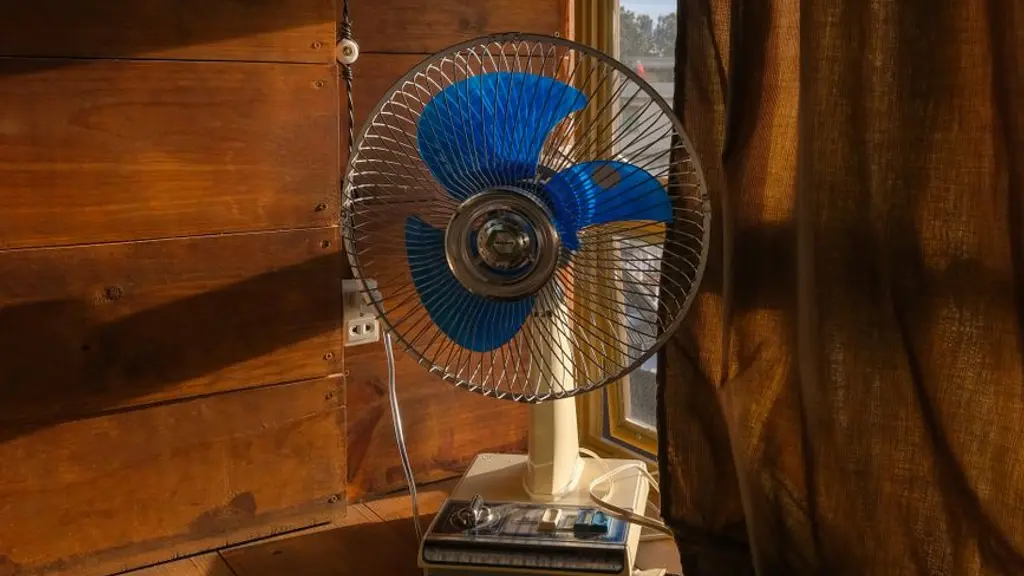
The fastest way to clean a fan is to unplug it, remove the front grille if possible, and wipe the blades and grille with a damp cloth or a soft brush to clear off dust buildup. The step most people skip is the tight gaps between grille slats, which is exactly where the most dust collects, since a regular cloth doesn’t reach in easily. Regular cleaning keeps airflow strong and cuts down the extra noise that dust buildup on the blades tends to cause.
The quick answer
Unplug the fan, remove the front grille if the design allows it, and wipe the blades and grille with a damp cloth or a soft brush, then dry everything thoroughly before turning it back on. That’s enough for a normal weekly clean. The tight gaps between grille slats need a slim tool that can actually reach them, since dust trapped there is what tends to add noise and weaken airflow over time.
Key takeaways
- A fan works with spinning blades that push air through a protective front grille, and this design means dust collects in two main spots: the blade surface and the tight grille gaps (fan definition from Britannica).
- The blades’ fast movement through the air generates a mild static charge on their surface, and that charge attracts fine dust particles and holds them onto the blade over time (static electricity background from Britannica).
- Dust buildup on the blades adds real weight and disrupts smooth airflow, so the fan has to work harder to move the same volume of air, which can show up as faint noise or vibration.
- The front grille is often detachable from the fan body, which lets you wash it separately with soap and water instead of just wiping it in place.
- The fan body and motor base should never be submerged in water, since they house the electrical circuit and motor, and only need an outside wipe with a well-wrung damp cloth.
Why dust builds up on fan blades and grilles
A fan pushes large volumes of air through fast-spinning blades surrounded by a protective grille, and that moving air constantly carries fine dust particles that settle on the blade surface and in the grille gaps. The blades’ rapid movement through the air also generates a mild static charge on their surface, and that charge specifically is what makes dust stick to the blade rather than blow away with it, building up a visible gray layer over time even in a relatively clean room. The narrow grille gaps play a similar role: a regular cloth wipes the outer surface, but finer dust settles inside the gaps themselves and accumulates unnoticed.
Basic cleaning steps, one at a time
Follow these steps for a thorough clean without damaging the motor or blades:
- Unplug the fan completely before starting, whether it’s a tower, pedestal, or portable model. Never clean any part while it’s plugged in or running.
- Check how the front grille comes apart. Most pedestal and tower fans use a detachable grille held by side clips or a rotating ring, while some compact tower designs have fixed vents that only get wiped from the outside.
- If the grille is detachable, wash it with warm water and regular dish soap, rinse it well, and dry it completely before reattaching.
- Wipe each blade individually with a damp cloth or soft brush, since dust tends to stick more heavily near the blade edge closest to the grille, where moving air collects.
- Clean the tight grille gaps with a slim brush or a small vacuum nozzle attachment, since this area is rarely reached effectively by a regular cloth.
- Wipe the fan body and base from the outside only, with a well-wrung damp cloth, and avoid spraying water directly near the vents close to the motor.
- Dry every part completely before reassembling and turning it on, since leftover moisture near the motor can cause electrical problems later.
Do and don’t when cleaning a fan
| Situation | Do | Don’t |
|---|---|---|
| Wiping the blades | A damp cloth or soft brush | Scrubbing hard enough to bend a blade or throw off its balance |
| The front grille | Detach it if possible and wash with soap and water | Spray it with water while it’s still attached and plugged in |
| The fan body and base | Wipe the outside with a well-wrung damp cloth | Submerge it in water or wash it in the sink |
| Tight grille gaps | A slim brush or small vacuum nozzle | Ignore them because they’re hard to reach |
| Before turning it on | Confirm every part is fully dry | Run it while any part is still damp |
Tight corners and closely spaced grille gaps
The biggest source of frustration when cleaning a fan is the closely spaced grille gaps that fingers and a folded cloth can’t easily reach, especially on tower fans with narrow vertical vents. A long, slim cleaning brush with soft bristles that slide between these gaps without needing to remove the grille every time reaches those corners far more effectively than pushing a towel or a finger through them. A tool shaped exactly for this is genuinely useful for anyone with a tower fan or any model with narrow vents that are hard to reach deep into.
A fan whose design collects less dust and cleans up faster
When choosing a new fan, the shape of the vents and the grille design make a real difference in how easy cleaning stays over time. Tower fans with a DC motor and narrow vertical vents trap less dust than a pedestal fan with fully exposed blades, and a quick pass with a brush or small vacuum nozzle reaches most of the dust without a complicated teardown every time. A practical example from our shortlist: the DREO Quiet Tower Fan (DC Motor), with its compact tower housing, only needs a periodic wipe of the front vents instead of frequent disassembly, which is part of why it tops our guide to the best fan in Saudi Arabia. We didn’t pick it because it never gets dusty, we picked it because its compact design reduces how complicated routine cleaning stays compared with a large-bladed pedestal fan. You’ll find its current price and the Amazon.sa link in the card below.
When to stop and call a technician
- Noise or vibration continues after dust is removed from the blades and grilles.
- The fan still does not move air normally after cleaning.
- An unwanted smell continues despite regular cleaning and full drying.
Stop using the appliance and have a qualified technician inspect it before using it again.
Bottom line
Cleaning a fan isn’t complicated: unplug it, detach the grille if possible and wash it with soap and water, and wipe the blades with a damp cloth, and that’s enough for a normal weekly clean. The tight gaps between grille slats need a slim brush that can actually reach them, and dust trapped there is usually what adds noise or weakens airflow over time. If an unwanted smell continues despite regular cleaning, why does a fan smell and how do I get rid of it? covers the likely causes and the fix. And if you’re still shopping for a fan in the first place, browse our guide to choosing a fan or fan prices in Saudi Arabia.
For everything in this category in one place, browse our fans section.
Sources
- Britannica, “Fan”, definition of the fan and the design of its blades and protective grille: https://www.britannica.com/technology/fan-ventilating-device
- Britannica, “Static electricity”, background on static electricity and how it attracts fine dust particles: https://www.britannica.com/science/static-electricity
This analysis is based on published information from Britannica (Fan), Britannica (Static electricity).
Frequently asked questions
How often should I clean a fan?
A quick wipe of the front grille and blades weekly is enough for normal use. A deeper clean, removing the grille and wiping each blade individually, once every month or two depending on how dusty your home gets. Periods with heavier dust, especially around dust storms, call for more frequent cleaning.
Can you wash a fan grille with water directly?
Yes, once it's detached from the fan body, as long as it's plain hard plastic. Wash it with warm water and regular dish soap, rinse well, then dry it completely before reattaching. Never submerge the fan body or motor base in water, since those parts hold the electrical circuit.
How do I reach dust trapped in tight grille gaps?
A regular sponge or cloth usually can't reach those narrow gaps. A slim cleaning brush built for fan blades, with long bristles that slide between closely spaced grille slats without fully disassembling it, handles this far more effectively than trying to reach in with your fingers or a folded towel.
Does cleaning a fan actually improve performance or reduce noise?
Yes, noticeably. Dust buildup on the blades adds real weight and disrupts smooth airflow around them, so the fan works harder to move the same amount of air, which sometimes shows up as a faint hum or vibration. Cleaning the blades and grille regularly restores normal performance and cuts down that extra noise.