
 Egypt
Egypt  UAE
UAE  USA
USA Portable AC vs Evaporative Cooler: How Humidity Changes the Choice
We may earn a commission from purchases through our links, at no extra cost to you. How we choose · Disclosure.
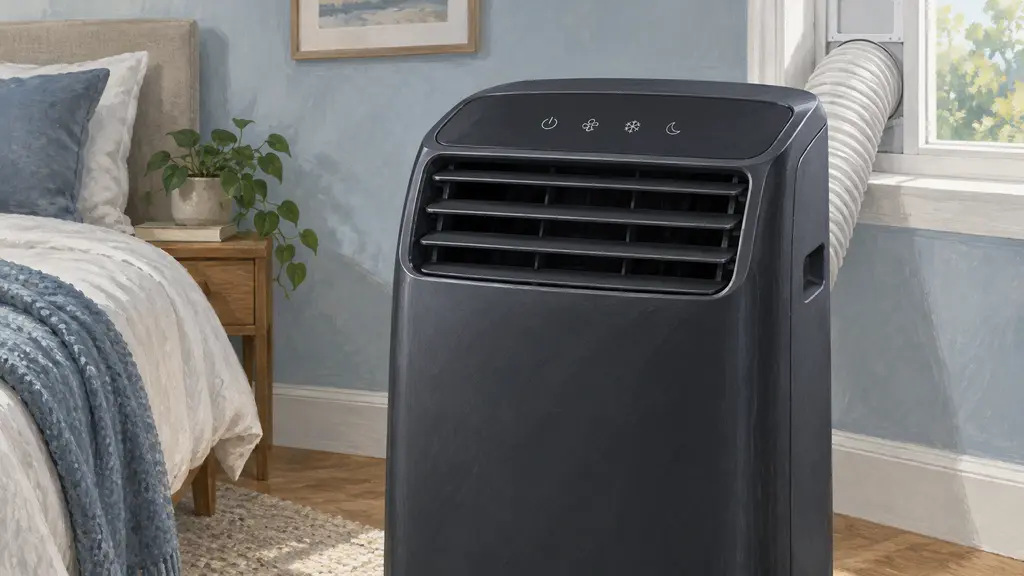
If you’ve searched “portable AC” on Amazon.sa and landed on a mix of listings that call themselves air coolers, evaporative coolers, misting fans, and air conditioners, you’re not imagining the confusion. These are genuinely different appliances that happen to get marketed in overlapping search results, and mixing them up is the fastest way to buy the wrong thing for your climate. Let’s untangle the physics in plain language before you shop the best portable AC in Saudi Arabia.
The quick answer
A true air conditioner cools with a refrigerant compressor, the same core technology as a split AC unit. An evaporative cooler cools by evaporating water into moving air, closer to a fan blowing across a wet surface. An evaporative cooler is never an air conditioner, no matter how the listing photo makes it look, and confusing the two is the most common reason people end up disappointed with a purchase in this category.
Key takeaways
- A true air conditioner actively removes heat and humidity from a room. It uses a compressor and condenser, and works regardless of how humid the air already is.
- An evaporative cooler adds moisture to cool the air, it doesn’t remove it. It works by evaporation, so it depends on dry air having room to absorb that moisture, and it can raise a room’s humidity rather than lowering it.
- Humidity is the deciding factor, not price or brand. In dry heat, an evaporative cooler performs genuinely well. In humid conditions, its cooling effect shrinks and can backfire.
- A true air conditioner costs more to buy and more to run. The compressor draws meaningfully more power than a cooler’s fan-and-pump mechanism, and a window-mounted unit needs a suitable window opening.
- An evaporative cooler needs no installation at all. Fill the reservoir, plug it in, no hose, no drainage line, no window setup.
How a true air conditioner actually cools a room
A true air conditioner works exactly like a split AC unit, just packed into a window-mounted or wheeled form factor. Refrigerant circulates through a compressor and coils, absorbing heat from the air inside your room and releasing it outside. Because it’s actively removing heat rather than relying on evaporation, it also pulls moisture out of the air as a side effect, which is why a true AC genuinely lowers humidity, not just temperature. This is the technology behind the Super General 1.5-Ton Window AC (18,000 BTU) we cover in the best portable AC in Saudi Arabia: real refrigerant cooling, though as a window-mounted unit rather than a wheeled box.
The cost of that capability shows up twice: once at purchase, since a compressor and condenser cost more to manufacture than a fan and a water pump, and again on your utility bill, since running a compressor draws meaningfully more power than an evaporative unit. You’ll also need a suitable window opening for a window-mounted unit and, on some models, occasional manual draining of the condensate the unit collects.
How an evaporative cooler actually cools a room
An evaporative cooler works on a completely different principle: a fan pulls air across a water-soaked pad or reservoir, and as the water evaporates, it absorbs heat from the air passing through, the same physics that makes you feel cold stepping out of a pool into a breeze. The Koolen 450W 100L Evaporative Air Cooler on this page uses a large tank to stretch out the time between refills, which matters for bigger rooms or longer runtimes. A misting fan takes a related but simpler approach, adding a fine water mist to regular airflow rather than passing air through a soaked pad, giving a cooling sensation with even less machinery involved.
The catch is built into the physics itself, not a flaw in any particular unit: evaporation only works well when the surrounding air has room to absorb more moisture, meaning dry air. As humidity climbs, that capacity shrinks, the cooling effect weakens, and in genuinely humid conditions an evaporative cooler or misting fan can leave a room feeling more humid than before you turned it on. This is exactly why humid stretches are the hardest test for this category, and why we’re upfront about it rather than letting a good review score paper over a real climate mismatch.
Quick comparison: which one for what?
| Factor | True air conditioner | Evaporative cooler |
|---|---|---|
| How it cools | Refrigerant compressor, removes heat and humidity | Water evaporation, adds moisture to cool air |
| Works in humid conditions | Yes, consistently | No, effectiveness drops sharply |
| Power draw | Higher, closer to a small split AC | Lower, closer to a regular fan |
| Installation | Window opening required, sometimes drainage | None, fill reservoir and plug in |
| Upfront cost | Higher (≈ 1,199 SAR) | Lower (≈ 393 - 889 SAR) |
| Best for | Humid climates, renters needing real cooling, utility rooms | Dry climates, good ventilation, budget-conscious buyers |
The simple rule: dry climate and decent ventilation → an evaporative cooler is a genuinely good, cheaper option. Humid conditions or you need real dehumidification → only a true air conditioner (or a split AC) will actually do the job. If you want the full buying criteria, including when to skip both and get a split AC quote instead, the guide on how to choose a portable AC walks through power draw, drainage, and use-case matching in detail.
So which one should you actually buy?
If your space is dry with reasonable ventilation and you want to keep both the upfront cost and the running cost down, start with an evaporative cooler. A practical example with a large tank for genuine room coverage: the Koolen 450W 100L Evaporative Air Cooler, with no installation hassle at all and a reasonable price on Amazon.sa. We didn’t pick it because it pretends to be an air conditioner, it doesn’t, we picked it because it’s a genuinely useful evaporative cooler for the price, which is exactly why it earns a spot in our guide to the best portable AC in Saudi Arabia. You’ll find its current price and the Amazon.sa link in the card below.
If your conditions are humid, or you need real dehumidification for a reason beyond comfort, like protecting equipment in a utility room, don’t settle for an evaporative cooler or misting fan hoping it will close that gap. It won’t, that’s not a product-quality issue, it’s the physics. Look at a true air conditioner instead, and if you’re cooling a room long-term and own the property, it’s worth getting a split AC quote before committing to either water-based option.
Read your situation in a minute
- Ask yourself: does the air outside already feel dry, or does it feel heavy and damp most of the time where you live?
- If it’s genuinely dry, an evaporative cooler like the Koolen pick will likely perform well and save you money upfront and on power.
- If it’s humid, or you specifically need dehumidification, only a true air conditioner or a split AC will actually solve the problem.
- If you’re renting and can’t install a split unit but need real cooling, the Super General 1.5-Ton Window AC is the credible true-AC option, provided your window opening can take it; if you’re still weighing a window unit against a wheeled portable AC, our portable AC vs window AC comparison breaks down the difference.
- See portable AC prices in Saudi Arabia to check what each type actually costs before you decide, and remember all prices are approximate and change.
For everything in this category in one place, browse our portable ACs section.
This analysis is based on published information from Amazon.sa.
Frequently asked questions
Is an evaporative cooler basically a cheap air conditioner?
No, and treating it that way is the single most common mistake people make in this category. An evaporative cooler cools by evaporating water into moving air, the same physics as a wet towel in front of a fan. A true air conditioner cools by running a refrigerant compressor, the same core technology as a split AC unit, which actively removes heat and humidity from the air. They can produce a similar feeling in dry conditions, but their performance diverges sharply once humidity rises, which an evaporative cooler cannot compensate for.
Why does my evaporative cooler feel less effective on more humid days?
Evaporative cooling depends on dry air having room to absorb evaporated water. As ambient humidity rises, there's less capacity left for that evaporation to happen, so the cooling effect shrinks and the unit can even make a room feel more humid rather than cooler. This isn't a fault with the unit, it's the physics of evaporative cooling running into a climate it isn't suited for.
Does a true air conditioner use a lot more electricity than a cooler?
Yes, meaningfully more. A true air conditioner runs a refrigerant compressor continuously while it's cooling, which draws electricity closer to a small split AC unit. An evaporative cooler runs a simple fan and a small water pump, with power draw much closer to a regular fan. If you're running either unit for long stretches, that difference shows up on your utility bill, not just in the upfront price you paid.
Should I just buy the true air conditioner to be safe, even if I live somewhere dry?
Not necessarily. If your space is genuinely dry with reasonable ventilation, an evaporative cooler does the job well, uses less power, needs no exhaust hose or window installation, and costs meaningfully less to buy. The true AC only earns its higher price and higher power draw when you actually need refrigerant-based cooling, either because your conditions are humid or because you need dehumidification for another reason, like protecting equipment in a utility room.