
 Egypt
Egypt  UAE
UAE  USA
USA Vacuum Cleaner Not Working: What to Check Before Replacing It
We may earn a commission from purchases through our links, at no extra cost to you. How we choose · Disclosure.
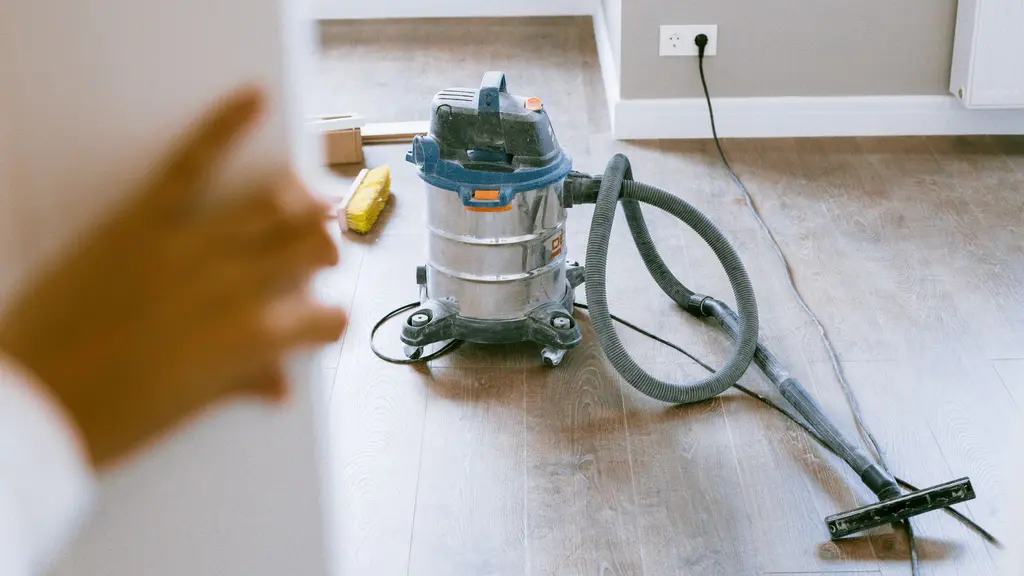
When a vacuum cleaner stops working or its suction suddenly weakens, always start with the simplest possibilities before assuming the motor is dead: check whether the dustbin or bag is full, check whether the filter is clogged, and try a different power outlet. Most “vacuum not working” cases come down to a small, checkable detail, not a full failure that requires replacement.
The quick answer
Check the dustbin or bag and the filter first, then try a different outlet. If the problem continues, check the brush roll (does it spin freely or is it jammed with wrapped hair) and the hose (is there a blockage). For a robot vacuum, check the wheels and sensors and make sure the bin isn’t full. Most of these issues are cheap and quick to fix. Only when the motor smells like it’s burning or stays completely dead despite all of the above does replacement become the sensible option.
Key takeaways
- A full dustbin or a clogged filter weakens suction significantly before the vacuum stops entirely, and this is the most common cause of a “weak suction” complaint (vacuum cleaner definition from Britannica).
- Hair or thread wound around the brush roll stops it spinning even while the motor sounds normal, and that’s a mechanical jam, not an electrical fault.
- Many electric motors cut out automatically to protect themselves from overload or overheating, so a vacuum stopping suddenly mid-use can be a temporary protection, not a permanent fault (electric motor background from Britannica).
- A robot vacuum has extra causes for stopping: wheels tangled in hair or cables, dirty sensors, or a full dustbin blocking it from finishing its run.
- Filter, bin, and brush roll issues are cheaper and faster to fix than assuming the motor is damaged.
Diagnostic steps in order when a vacuum won’t run
Follow these steps in order before assuming the vacuum is fully broken:
- Check the dustbin or bag and empty it if it’s past two-thirds full, since suction weakens well before the bin is completely full.
- Remove the filter and inspect it, washing it if it’s washable and clogged with built-up dust, drying it thoroughly before refitting, or replacing it if it’s torn or worn out.
- Try a different power outlet to rule out a dead circuit or a faulty socket.
- Check the hose and attachments for a blockage by detaching them and looking through toward a light source.
- Unplug the machine and check the brush roll by hand, removing any hair or thread wound around it with small scissors, since this is a very common cause of it not spinning even while the motor runs.
- Let the unit cool for fifteen minutes if it stopped suddenly mid-use, since some motors cut out automatically to protect from overload and come back after a short rest.
- For a robot vacuum, check the wheels for tangled hair or cables, clean the sensors with a soft dry cloth, and make sure the bin isn’t full and the charging contacts are clean.
Common symptoms and their likely causes
| Symptom | Most likely cause | Fix step |
|---|---|---|
| Won’t turn on at all, no sound or movement | An outlet or cord issue | Try a different outlet and check the cord |
| Motor runs but suction is very weak | Full bin or a clogged filter | Empty the bin and clean or replace the filter |
| Brush roll won’t spin despite the motor sound | Hair or thread wrapped around the brush roll | Unplug and remove the tangle by hand |
| Sudden stop mid-use | Automatic overload or overheat protection | Let it cool, then retry |
| Robot vacuum won’t finish its run or won’t charge | Tangled wheels, dirty sensors, or a full bin | Clean the wheels and sensors and empty the bin |
| Burning smell with a full stop | Genuine motor damage | Stop using it immediately and consider replacing it |
When is the issue specifically the filter?
If weak suction is the main symptom rather than the motor stopping entirely, the cause is almost certainly a filter clogged with built-up dust. Washable filters regain their performance once washed in cold water and dried thoroughly for at least a full day, since refitting a damp filter blocks proper airflow and creates the feeling of weak suction even though the filter itself is clean. If the filter is torn or has lost its shape after repeated washes, a replacement HEPA filter matched to your model solves the problem directly, and it’s far cheaper than assuming the fault is in the motor itself.
When is it worth thinking about a new vacuum?
If the issue is the filter, the bin, or a simple brush roll jam, those are usually cheap, quick fixes that don’t call for replacing the appliance. But if you’ve checked all of the above and the motor stays completely silent, or it gives off an obvious burning smell, that’s a sign the motor has genuinely reached the end of its life. At that point, a vacuum with a reliable motor and a good reputation for durability is worth looking at instead of repeating the same problem with another weak unit. A practical example from our shortlist: the Dyson V8 Animal, with a bagless dustbin and few detachable parts that are easy to check when needed, which is also one reason it tops our guide to the best vacuum cleaner in Saudi Arabia. You’ll find its current price and the Amazon.sa link in the card below.
When to stop and call a technician
- A burning smell appears when the motor stops.
- The motor stays completely silent after the bin, filter, and outlet checks.
- The brush roll still will not spin after hair and thread are removed.
- The vacuum stops again after a cooldown with a clear airflow path.
Stop using the appliance and have a qualified technician inspect it before using it again.
Bottom line
Before assuming a vacuum cleaner is fully broken, check the dustbin, the filter, and the power outlet first, since those are the most common causes. Then move on to the brush roll and hose if the problem continues, and for a robot vacuum check the wheels, sensors, and charging contacts. Replacement is only worth it once a stop comes with a burning smell or the motor stays completely silent despite all the checks. And if your vacuum runs fine but the smell has become unpleasant, read why does my vacuum cleaner smell. If you’re already weighing a robot vacuum against a cordless stick, see robot vs cordless vacuum. If you’ve decided it’s time for a new one, browse our guide to the best vacuum cleaner in Saudi Arabia, our how to choose a vacuum guide, or the full vacuum cleaners section.
Sources
- Britannica, “Vacuum cleaner”, definition of the vacuum cleaner and the design of its brush roll and filter: https://www.britannica.com/technology/vacuum-cleaner
- Britannica, “Electric motor”, background on how electric motors work and overload protection: https://www.britannica.com/technology/electric-motor
This analysis is based on published information from Britannica (Vacuum cleaner), Britannica (Electric motor).
Frequently asked questions
My vacuum cleaner won't turn on at all, what should I check first?
Try a different power outlet first to rule out a dead circuit, and make sure the cord and switch are undamaged. If it still won't run, check the dustbin and filter, since some models noticeably lose performance when full or clogged well before they stop working entirely.
The motor makes a sound but the suction is very weak, why?
The most common cause is a full dustbin or a filter clogged with built-up dust, and both weaken suction significantly before the machine stops working entirely. Empty the bin and clean or replace a torn filter before assuming a bigger fault.
The brush roll isn't spinning even though the vacuum is running, why?
This is usually a mechanical jam from hair or thread wound tightly around the brush roll, not an electrical fault. Unplug the machine, check the brush roll by hand, and remove anything wrapped around it before running it again.
When should I replace the vacuum cleaner instead of trying to fix it?
If the issue is the filter, the bin, or a simple brush roll jam, those are usually cheap, quick fixes. But if you've checked all of that and the motor stays completely silent or gives off a burning smell, that's a sign the motor has genuinely reached the end of its life and it's worth considering a new vacuum.