
 Egypt
Egypt  UAE
UAE  USA
USA What Size Dishwasher Do You Need?
We may earn a commission from purchases through our links, at no extra cost to you. How we choose · Disclosure.
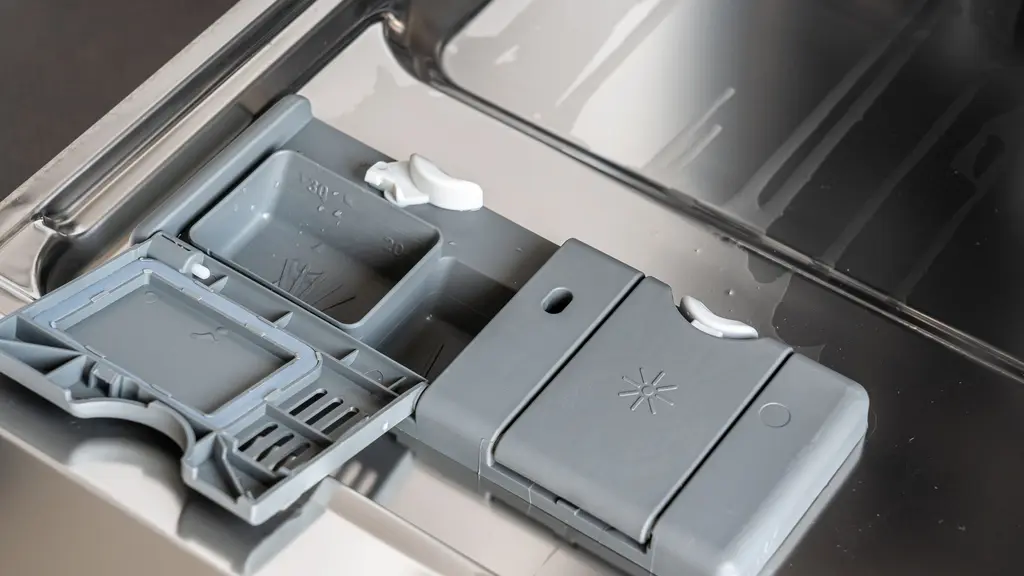
The right dishwasher size isn’t decided by the place-setting count alone, it’s decided by how many people are actually in your household and whether you can commit to a plumbing connection. Quick answer: a family of four or more needs a full-size 12-place dishwasher to finish a full day’s dishes in one load, while one to three people, or anyone who wants to skip plumbing work entirely, does fine with a compact countertop model.
The quick answer
Match the dishwasher size to your household and your plumbing situation, not the biggest capacity you can find. A family of four or more: a full-size 12-place dishwasher like the Midea. One to three people, or a renter who doesn’t want to touch the kitchen’s plumbing: a compact countertop model. The bigger decision behind the number is whether you can commit to a real plumbing connection or need something that only needs a simple setup. All prices are approximate and change, check them on Amazon.sa before buying.
Key takeaways
- “Size” for a dishwasher first means full-size versus countertop, not just the place-setting count, because the two formats differ in both installation and capacity.
- A full-size 12-place dishwasher suits a family of four or more, and it needs a proper water and drain connection like any full-size unit.
- A compact countertop model suits one to three people, and it skips the full plumbing connection in exchange for smaller capacity.
- A dishwasher bigger than you actually need means higher water and electricity use per half-empty cycle, with no real added benefit.
- Whether you can commit to a plumbing connection, not just wanting more capacity, is often what actually settles the decision for anyone in a rental apartment or a small kitchen.
How much does your kitchen actually need?
If your household has four or more people and cooks a full family meal daily, a full-size 12-place dishwasher finishes a whole day’s dishes, from breakfast through dinner, in one load instead of running the machine twice. If your household is one to three people, or you specifically want to avoid touching your kitchen’s plumbing, a compact countertop model covers daily dishes without a big installation commitment. The real difference between the two cases isn’t whether you want more or less capacity, it’s whether you can genuinely commit to a permanent water and drain connection in your kitchen.
Full-size versus countertop: the decision behind the number
A full-size 12-place dishwasher, like the Midea, needs a proper water and drain connection, real plumbing work rather than a simple setup, but it gives you genuine family-scale capacity that covers a full day’s load. A countertop model skips that commitment entirely, sitting on the counter and connecting with a simple hose to the kitchen sink, but it tops out at a smaller daily capacity built more for a couple or a small household. So the first real question isn’t “how many place settings do I need”, it’s “can I commit to a real plumbing connection, or do I need something that only needs a simple setup?” If you want the details behind what a place-setting count actually holds, dishwasher place settings explained breaks it down in more depth.
Quick reference: size by household
| Your household | Right format | Rough example |
|---|---|---|
| One to three people, no plumbing work | Compact countertop dishwasher | AIRMSEN Mini Tabletop Dishwasher |
| One to three people, higher budget | Premium countertop dishwasher | Novete Portable Countertop Dishwasher |
| Family of four or more | Full-size dishwasher, 12 place settings | Midea 12-Place-Setting Dishwasher (7 Programs) |
| Family of four or more, alternate build | Full-size dishwasher, 12 place settings | Midea 12-Place Free-Standing Dishwasher |
Should you buy a bigger dishwasher just in case?
Not necessarily. A full-size 12-place dishwasher for a household of two just means you’ll run it half-empty most days, which is extra water and electricity use with no real benefit, plus more kitchen space used than you need. The simpler rule is matching the size to your household today, not the biggest option available on the market. If your family size changes clearly later on, reconsidering the size then is cheaper than paying for extra capacity through all the years you didn’t need it.
So what size should you actually buy?
If you’re feeding a family of four or more and can commit to a real plumbing connection, the Midea 12-Place-Setting Dishwasher saves you running the machine twice a day and it’s also currently the cheapest full-size option in this category. If your household is one to three people, or you’d rather not touch your kitchen’s plumbing at all, a countertop model is the practical answer. You can review the full details, including every price, in our guide to the best dishwasher in Saudi Arabia and our how to choose a dishwasher guide.
Decide your size in a minute
- Count how many people actually eat together most days, not your household’s total headcount if schedules are staggered.
- Four or more people: a full-size 12-place dishwasher, like the Midea, genuinely covers a full day’s dishes in one load.
- One to three people, or you want to avoid plumbing work: look at a countertop model like the AIRMSEN or Novete.
- Not sure you can commit to a plumbing connection: weigh that decision first, since it affects both size and installation.
- Check dishwasher prices in Saudi Arabia to match the size to your budget, and remember prices are approximate and change.
Bottom line
The right dishwasher size is the one that matches your household and your plumbing situation, not the biggest capacity available. A family of four or more: a full-size 12-place dishwasher. One to three people or no plumbing commitment possible: a compact countertop model. If you’re still deciding whether to buy at all, start with is a dishwasher worth buying, and after you buy, see how to clean a dishwasher to keep it running well. For every option in one place, browse our dishwashers section.
Sources
- Price and spec data from Amazon.sa at the time of publication.
This analysis is based on published information from Amazon.sa.
Frequently asked questions
What size dishwasher do I need for a family of four?
For a family of four or more wanting to finish a full day's dishes in one load, a full-size 12-place dishwasher like the Midea is the practical choice, since it's built specifically for this household size and doesn't require running the machine twice a day.
Is a countertop dishwasher enough for a small home or just a couple?
Yes. A compact countertop model covers daily dishes for a couple or a light-use kitchen without any plumbing modification, but it isn't a substitute for a full-size unit if your home regularly hosts a full family.
Should I buy a bigger dishwasher than I need just in case?
Not necessarily. A full-size dishwasher that's bigger than your current household needs just means more water and electricity used per half-empty cycle. It's better to match the size to your household today and reconsider later if your family size genuinely changes.
What's the practical difference between a full-size and a countertop dishwasher when choosing?
The real difference isn't just capacity, it's the plumbing connection: a full-size unit needs a proper water and drain connection, while a countertop model manages with a simple connection or a temporary hose on the sink. If you're a renter or don't want to touch your kitchen's plumbing, countertop is the faster route.