
 Egypt
Egypt  UAE
UAE  Saudi Arabia
 The Best All-Purpose Kitchen Knife: One Blade for Almost Everything
We may earn a commission from purchases through our links, at no extra cost to you. How we choose · Disclosure.
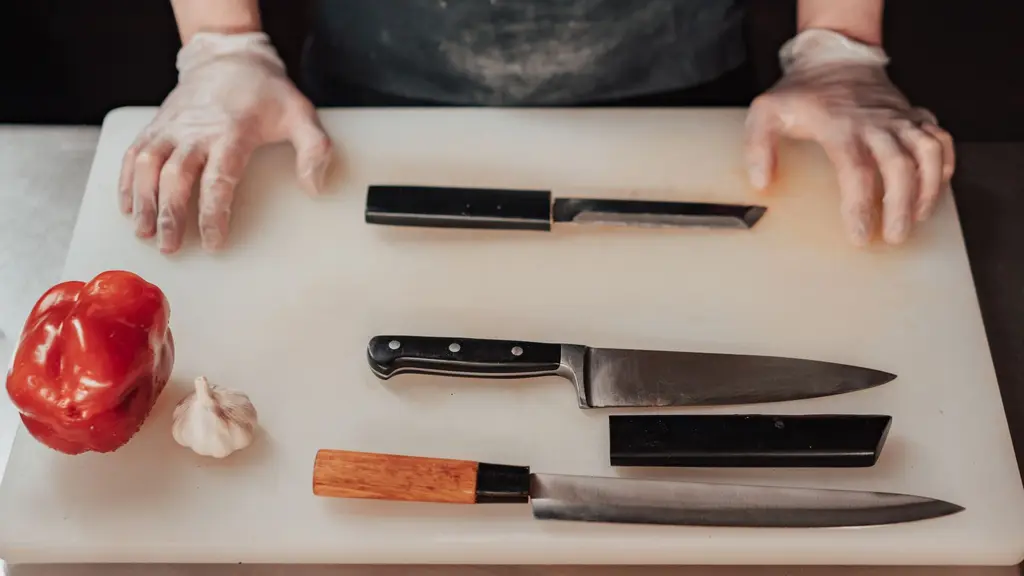
If you only ever buy one kitchen knife, make it an 8-inch chef’s knife. The chef’s knife’s curved belly and pointed tip cover chopping, slicing, mincing, and most of what a home kitchen throws at a blade, and a well-reviewed pick like the Victorinox Fibrox Pro 8-Inch (roughly $48) does it with a light, secure grip and steel that holds its edge well. Specialty knives earn their place later, once you notice a specific gap.
Quick answer
The 8-inch chef’s knife is the all-purpose answer for most kitchens, and among chef’s knives, a widely reviewed pick like the Victorinox Fibrox Pro covers the widest range of tasks for the least money. If your cutting style is mostly straight up-and-down chopping rather than a rocking motion, the santoku shape is a legitimate second choice, but for most people the chef’s knife shape does more jobs well.
Key points
- The chef’s knife shape, curved belly, pointed tip, roughly 8 inches long, is built to rock through a cut without lifting the blade, which is why it’s the default all-purpose choice in Western kitchens.
- The santoku trades the curved belly for a flatter edge, which suits straight chopping and scooping but less suits rocking cuts through herbs or bone-adjacent trimming.
- One knife can’t do two jobs well: fine detail work, garlic, small fruit, and sawing through crust or skin, bread, tomatoes, are the two gaps a single chef’s knife leaves, and they’re solved cheaply with a paring and a serrated knife later.
- Buying the all-purpose knife first, not a set, means the full budget goes into the blade you’ll actually use every day.
Why the chef’s knife shape wins
The rocking motion, tip down, heel up and down in a repeated arc, is the fastest and most controlled way to chop vegetables, mince garlic and herbs, and break down most cuts of meat. The chef’s knife’s curved belly is shaped specifically to support that motion without the tip ever leaving the board, which is why it, rather than any specialty shape, ends up being the knife a home cook reaches for dozens of times a week.
When the santoku makes more sense
Not everyone chops the same way. If you were taught to cut with a straight up-and-down motion, common in a lot of home cooking outside professional kitchen training, the santoku’s flatter blade matches that motion more naturally, and the wider blade face scoops what you just cut more easily than a chef’s knife’s narrower profile. It’s a legitimate all-purpose pick for that cutting style; it’s just not the default because most people, taught or not, end up cutting with some rocking motion once they’ve used a chef’s knife for a while.
Chef’s knife versus santoku for all-purpose use
| Chef’s knife (8”) | Santoku (7”) | |
|---|---|---|
| Best cutting style | Rocking motion | Straight up-and-down chopping |
| Tip work (garlic, herbs) | Excellent | Good |
| Larger cuts (squash, melon, meat) | Excellent | Fair, shorter blade |
| Food release (less sticking) | Standard | Better with Granton dimples |
| Good first knife? | Yes, the default | Yes, if you already chop straight down |
What it doesn’t cover
Even the best all-purpose knife has two honest gaps. Small precision work, peeling an apple, trimming strawberries, deveining shrimp, is safer and easier with a short paring knife. And a serrated edge is the only realistic way to cut through crusty bread or a ripe tomato’s skin without crushing what’s inside. Buy the chef’s knife first, use it for a few weeks, and you’ll feel exactly when those two gaps show up.
The bottom line
For one knife that covers almost everything, the Victorinox Fibrox Pro 8-Inch Chef’s Knife at roughly $48 is the pick, with the Victorinox Santoku as the alternative shape if you chop straight down more than you rock the blade. See the full breakdown of shape, steel, and handle in the chef knife buying guide, check current prices in the kitchen knife prices roundup, and if you’re wondering whether you need more than one blade at all, read do you need a kitchen knife set. Everything else lives in the kitchen knives hub.
Sources
- ZWILLING knife guide, “Choosing a chef’s knife”, background on the shape and rocking-cut design of the chef’s knife: https://www.zwilling.com/us/magazine/product-guide-knives/knives-finding-the-right-chefs-knife.html
- ZWILLING knife guide, “Santoku knives”, background on the santoku’s flatter blade and its cutting style: https://www.zwilling.com/us/knives/japanese-knives/santoku-knives/
This analysis is based on published information from ZWILLING knife guide (Choosing a chef's knife), ZWILLING knife guide (Santoku knives).
Frequently asked questions
What is the single best all-purpose knife for a home kitchen?
An 8-inch chef's knife is the standard answer, and the Victorinox Fibrox Pro 8-Inch (roughly $48) is the most reviewed serious option in that category on Amazon.com, with a light grip and steel that holds an edge well past what its price suggests.
Chef's knife or santoku: which is the better all-purpose choice?
The chef's knife wins for most people because its curved belly supports the rocking motion used for a huge range of cuts. The santoku's flatter edge is excellent for straight up-and-down chopping but less suited to rocking through herbs or breaking down larger cuts, so treat it as a strong second knife rather than the all-purpose default.
Can one knife really handle everything in the kitchen?
Almost everything. A chef's knife covers chopping, slicing, mincing, and even light boning work in a pinch. The two jobs it doesn't do well are small precision cuts, a paring knife's job, and sawing through crusty bread or ripe tomatoes, a serrated knife's job, so treat those two as your next purchases, not your first.
What knife should a beginner cook buy first?
A mid-size, well-reviewed 8-inch chef's knife. Buying the all-purpose blade first, rather than a set or a specialty knife, means every dollar goes toward the tool you'll use daily, and you learn what you're actually missing before spending more.