
 Egypt
Egypt  UAE
UAE  Saudi Arabia
 The Best Knife Sharpeners for Kitchen Knives (And How to Use Them)
We may earn a commission from purchases through our links, at no extra cost to you. How we choose · Disclosure.
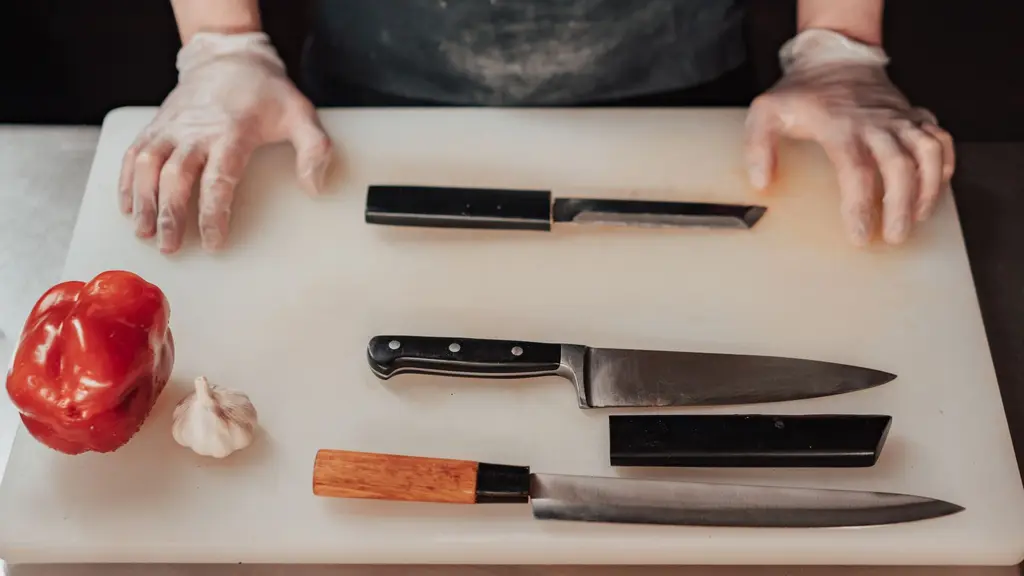
A dull knife isn’t usually a knife problem, it’s a maintenance problem. Hone your knife with a honing rod every few uses to realign the edge in seconds, and actually sharpen it on a whetstone every few months, using roughly a 15 to 20 degree angle per side depending on the knife style. That combination keeps a good kitchen knife working like new for years, and it costs far less than replacing knives as they dull.
Quick answer
Most “my knife won’t stay sharp” complaints are really “I never hone it” complaints. Run a honing rod down each side of the blade every few uses, before or after cooking, to straighten the microscopic roll in the edge that daily cutting causes. Then, every two to four months depending on how often you cook, use a proper sharpening stone to actually restore the edge. A dedicated sharpening stone, a whetstone, is the tool that makes this routine stick, and it will outlast several knives if you take care of it.
Key points
- Honing straightens the edge, it doesn’t sharpen it. A honing rod realigns the thin edge that bends out of true with normal cutting, and takes seconds to do, ideally every few uses.
- Sharpening actually removes metal to form a new edge, and a proper knife only needs it every couple of months of regular use, not every week.
- A combination whetstone, roughly 1000 grit and 6000 grit, covers nearly every home need: coarse side for a dull or damaged edge, fine side to polish and refine it.
- Angle matters more than pressure. Western knives sharpen best around 20 degrees per side; Japanese-style blades want a more acute angle, closer to 15 degrees, matching their harder, thinner steel.
- Pull-through and electric sharpeners are a trade-off, not a scam: fast and easy, but they remove more metal than a whetstone and wear down a good knife faster over time.
Honing versus sharpening: they’re not the same job
These two words get used interchangeably and shouldn’t be. Honing realigns an edge that’s already there: normal cutting rolls the microscopically thin edge slightly out of straight, and a few strokes down a honing rod straightens it back out without removing any metal. Do this every few uses and a knife feels sharp far longer than it otherwise would. Sharpening is a different, less frequent job: it actually grinds away a thin layer of metal to form a fresh edge once the old one has genuinely dulled past what honing can fix. A well-maintained knife needs this every two to four months of regular use, not every week.
Choosing a sharpening stone: what actually matters
A whetstone is the tool that does real sharpening well, and the two things that matter are grit and stability. Grit is the coarseness of the stone: lower numbers, around 1000, cut faster and fix real damage or a badly dulled edge, while higher numbers, around 6000, polish and refine an edge that’s already close to right. A combination stone with both grits on either side covers nearly every situation a home cook runs into. Stability matters just as much as grit: a stone that slides around on the counter is the single most common reason first attempts at sharpening go badly, so a rubber base or a simple non-slip towel underneath makes a bigger difference than which exact stone you buy.
The angle question
Sharpening angle is where most beginners lose confidence, but the rule of thumb is simple: match the angle to the knife style. Western-style blades, including the Victorinox Fibrox Pro in our lineup, do well around 20 degrees per side. Japanese-style blades want something closer to 15 degrees, matching their harder, thinner steel. Consistency across the length of the blade matters more than nailing the number exactly; a slightly-off but consistent angle beats a technically-correct angle that wanders stroke to stroke.
Whetstone versus honing rod versus pull-through and electric
| Honing rod | Whetstone (stone) | Pull-through / electric | |
|---|---|---|---|
| What it does | Realigns the edge | Actually sharpens, removes metal | Actually sharpens, removes metal |
| How often | Every few uses | Every 2-4 months | As needed |
| Skill needed | Very low | Moderate, improves with practice | Very low |
| Control over the edge | N/A | Highest | Lowest |
| Best for | Every knife, every cook | A knife worth keeping sharp for years | A budget knife you’re not precious about |
The bottom line
Buy a honing rod and a combination whetstone before you buy anything fancier, hone every few uses, and sharpen on the stone every couple of months. That routine keeps a knife like the Victorinox Fibrox Pro 8-Inch (roughly $48) cutting like new for years, which is the cheapest upgrade available to anyone who already owns a good knife. If you’re still choosing which knife to buy, see our pick for the best all-purpose kitchen knife, check steel and care basics in the chef knife buying guide, and browse everything in the kitchen knives hub.
Sources
- ZWILLING knife guide, “Sharpening stones”, background on whetstones and sharpening grit: https://www.zwilling.com/us/about-us/use-care/article-use-care-knife-sharpening/
This analysis is based on published information from ZWILLING knife guide (Sharpening stones), ZWILLING knife guide (Honing a knife).
Frequently asked questions
What is the best way to sharpen a kitchen knife at home?
A whetstone (sharpening stone) used at the correct angle, roughly 15 to 20 degrees per side depending on the knife style, gives the most control and the best edge of any home method. It takes a bit of practice, but it's also the cheapest and longest-lasting way to keep a good knife sharp for years.
What's the difference between honing and sharpening?
Honing realigns a blade's edge that has bent slightly out of true from normal use; it doesn't remove metal and takes seconds with a honing rod. Sharpening actually grinds away metal to create a new edge and is needed far less often, every few months for a daily-use knife rather than every few uses.
What grit whetstone should I buy for kitchen knives?
A combination stone with a coarser side around 1000 grit and a finer side around 6000 grit covers nearly everyone: the 1000 side fixes a dull or damaged edge, and the 6000 side polishes and refines it. Buy a stone holder or non-slip base at the same time; a stone that slides around the counter is the biggest reason first attempts go badly.
Are pull-through or electric knife sharpeners any good?
They're better than a dull knife, but they remove more metal than necessary and can't match a whetstone's control, so they shorten a good knife's life faster if used often. They're a reasonable low-effort option for a budget knife you're not precious about; save the whetstone technique for a knife worth keeping sharp for years.