
 Egypt
Egypt  UAE
UAE  Saudi Arabia
 Why Does My Electric Kettle Smell? Here's the Fix
We may earn a commission from purchases through our links, at no extra cost to you. How we choose · Disclosure.
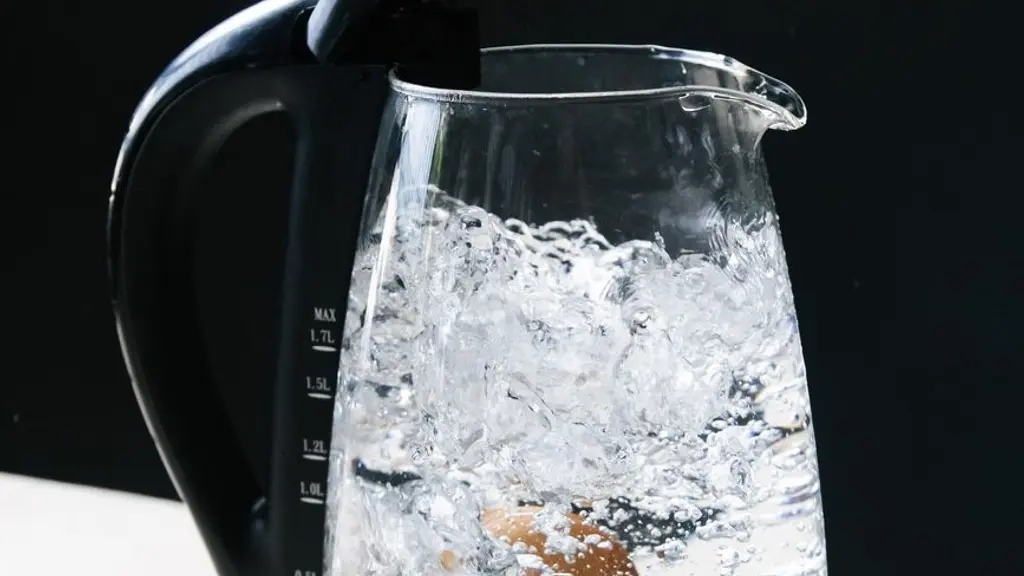
A brand-new electric kettle that smells like plastic is almost always just off-gassing from manufacturing, and it fades after a few boil-and-throw-away cycles. An older kettle that smells musty or metallic is a different problem: limescale and mineral buildup from hard water. Both have the same fix. A plain vinegar-and-water descale clears either smell for free, and a dedicated kettle descaler is a convenience on top of that, not something you need to buy first.
Never mix vinegar with bleach or any chlorine-based cleaner - the combination releases toxic gases. Use one cleaner at a time and rinse thoroughly between products.
The quick answer
A new-kettle plastic smell fades on its own within a few boils of water you pour out rather than drink, while a musty or metallic smell in an older kettle is almost always limescale from hard water. A vinegar-and-water descale fixes both, costs nothing beyond what is already in your kitchen, and takes under half an hour start to finish.
Key takeaways
- New-kettle smell is off-gassing, not a defect. Residue from the manufacturing process on the heating element and housing burns off over the first several uses (electric kettle background from Electrical Safety First).
- A musty or metallic smell after months of use is limescale, the mineral deposit hard water leaves behind as it heats and evaporates (limescale from USGS).
- Vinegar and water descales a kettle for free and clears both the plastic-off-gassing residue and mineral buildup.
- A dedicated kettle descaler is an upgrade in convenience, not the only way to solve the smell.
- Emptying the kettle after every use, instead of leaving standing water in it, prevents most smells before they start.
Why a brand-new kettle smells like plastic
Every electric kettle ships with some residue from manufacturing on its heating element, housing, and any interior plastic components, and that residue is what you are smelling the first few times you use it. It is not a sign of a faulty unit, and it is not something that leaches into water at a level that matters. The smell fades on its own once you run a few boil cycles and pour the water out instead of drinking it. Most kettles are noticeably better by the third or fourth boil, and completely neutral within a week of normal use.
Why an older kettle smells musty or metallic
If your kettle is months or years old and has started smelling musty, slightly sour, or metallic, the cause is almost never the kettle itself. It is mineral buildup. Every time you boil water, the minerals dissolved in it, mainly calcium and magnesium if you are on hard water, get left behind as the water evaporates off as steam. Over time that residue coats the heating element and the interior walls, and once there is enough of it, it can affect both the smell and the taste of the water passing over it. This happens faster in areas with hard water, and it happens to every kettle eventually regardless of brand or price.
The real fix: descale with vinegar first
This is the step to try before buying anything.
- Fill the kettle about halfway with equal parts white vinegar and water.
- Run it through a normal boil cycle and let the kettle shut off on its own.
- Let it sit for 15 to 20 minutes so the vinegar has time to break down the mineral deposits.
- Pour the mixture out and rinse the kettle two or three times with plain water.
- Run one more boil-and-discard cycle with just water to clear out any lingering vinegar smell before you use it normally.
For a kettle with heavy buildup, repeat the vinegar step once more. For routine upkeep, doing this every one to three months, depending on how hard your water is, keeps the smell from coming back in the first place.
When a dedicated descaler is worth adding
Plain vinegar handles the actual chemistry of dissolving limescale just fine, and it costs nothing you do not already have. The main downside is that vinegar leaves its own smell behind for that final rinse cycle, which some people find unpleasant in an already-smelly kitchen appliance. If that bothers you, a descaling product made specifically for electric kettles and coffee makers works through the same basic mechanism without the vinegar odor, and some are formulated to rinse clean faster. Think of it as a convenience purchase for people who descale often or who are sensitive to smell, not a requirement for fixing the problem.
Preventing it from coming back
A few habits keep both smells from returning. Empty the kettle after each use rather than leaving water sitting in it, since standing water is what accelerates both mineral buildup and any lingering off-gassing smell. If your water is very hard, filtered or bottled water for boiling slows down how fast limescale forms. And a kettle with a no-plastic interior, like the Cosori Electric Kettle at roughly $26, keeps water contact limited to stainless steel and glass from day one, which some buyers prefer specifically to sidestep the new-kettle plastic smell entirely.
When to stop and call a technician
- A strong plastic or chemical smell remains after several boil-and-discard cycles.
- A musty or metallic smell remains after a full vinegar descale and plain-water rinses.
- Heavy buildup continues to affect how evenly the kettle heats after descaling.
Stop using the kettle and have it checked by a qualified technician before using it again.
Bottom line
A plastic smell in a new kettle is normal off-gassing that fades within a few boils, and a musty or metallic smell in an older kettle is limescale that a vinegar-and-water descale clears in under half an hour. Neither one means the kettle is broken, and neither one requires buying anything new to fix, though a dedicated descaler is a fair convenience upgrade if you would rather skip the vinegar smell. For the material choice that avoids the new-kettle plastic smell altogether, see our breakdown of the healthiest electric kettle material. If descaling becomes a regular chore, our guide to choosing an electric kettle covers what else to look for, and you can compare current models in the best electric kettle in the USA or check electric kettle prices. Browse the full electric kettles section for everything else in this category.
Sources
- Electrical Safety First, “Electric kettle safety features”, background on kettle construction, heating elements, and materials: https://www.electricalsafetyfirst.org.uk/safety-advice/products-and-appliances/kitchen-gadgets/kettles/
- USGS, “Hardness of water”, the mineral deposit hard water leaves behind when heated: https://www.usgs.gov/water-science-school/science/hardness-water
This analysis is based on published information from Electrical Safety First (Electric kettle safety features), USGS (Hardness of water).
Frequently asked questions
Why does my new electric kettle smell like plastic?
That smell is off-gassing from the manufacturing process, not a defect. It usually fades after two or three boils with water you throw away rather than drink. Fill the kettle, boil it, and pour the water out each time until the smell is gone, which is typically within the first few uses.
Why does my electric kettle smell musty or metallic after months of use?
That is almost always limescale, the mineral deposit hard water leaves behind as it boils and evaporates. Minerals build up on the heating element and interior walls over time, and once there is enough of it, the water can pick up a musty or slightly metallic smell and taste. A vinegar descale clears it out.
How do I descale an electric kettle with vinegar?
Fill the kettle about halfway with equal parts white vinegar and water, run it through a boil cycle, then let it sit for 15 to 20 minutes. Pour it out, rinse the kettle two or three times with plain water, and run one more boil-and-discard cycle with just water before you use it normally.
Is it safe to drink water from a smelly electric kettle?
A new-kettle plastic smell is not a health risk, it is just residue burning off. A musty limescale smell is not dangerous either, but it means mineral buildup is affecting the taste, and heavy buildup over years can start to affect how evenly the kettle heats. Either way, there is no reason to keep drinking from a kettle once you notice the smell, since descaling takes under half an hour.