
 Egypt
Egypt  UAE
UAE  Saudi Arabia
 Healthiest Electric Kettle Material: Glass vs Steel vs Plastic
We may earn a commission from purchases through our links, at no extra cost to you. How we choose · Disclosure.
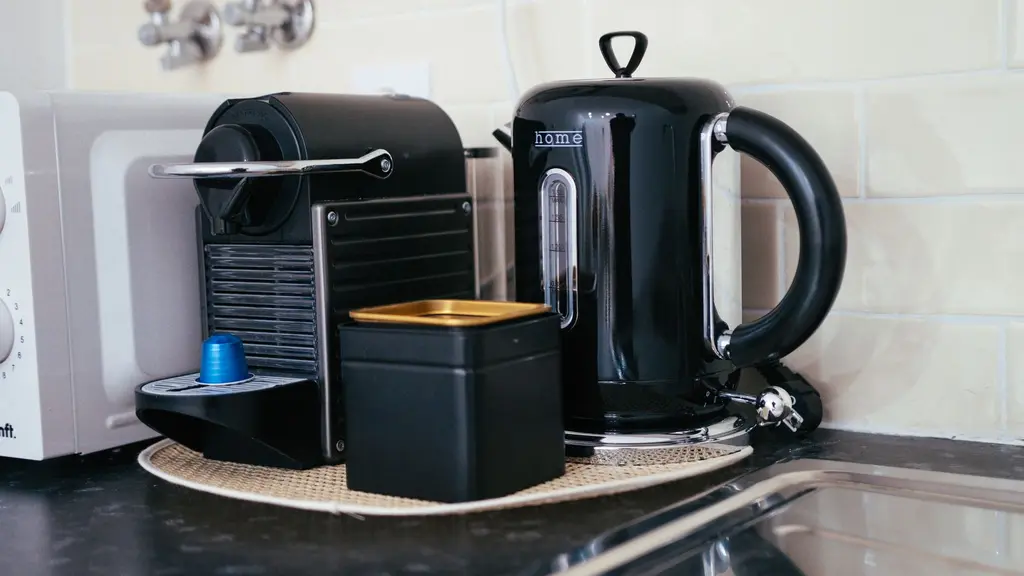
Glass, stainless steel, and BPA-free plastic all show up somewhere inside a modern electric kettle, and not all three carry the same level of concern. If you’re worried about anything leaching into your water, the safest choice is a kettle where the water only ever touches stainless steel and glass, sometimes labeled a “no-plastic interior.” Plastic kettles sold today are BPA-free and meet current safety standards, but steel and glass sidestep the question entirely.
The quick answer
A “no-plastic interior” electric kettle, where water only contacts stainless steel and glass, is the safest material choice if you want to rule out any plastic-water contact. A modern BPA-free plastic kettle is not unsafe by current standards, but it doesn’t remove the question the way steel and glass do. Either material is fine for taste once the kettle is broken in.
Key takeaways
- BPA-free plastic meets current US safety standards, but “BPA-free” only rules out one specific chemical, not plastic-water contact in general (Bisphenol A from US FDA).
- Stainless steel and glass are both considered inert at boiling temperatures, meaning neither leaches anything into the water.
- Glass kettle carafes are usually a heat-resistant borosilicate glass, the same type used in lab glassware and ovenware for its ability to handle rapid temperature swings (borosilicate glass from Britannica).
- A “no-plastic interior” kettle keeps every water-contact surface as steel or glass, which is a stronger claim than “BPA-free.”
- Material affects taste mostly in the first few uses, not long term, regardless of which of the three you choose.
Why plastic worries health-conscious buyers
The concern around plastic kettles traces back to bisphenol A, a chemical once common in food-contact plastics that raised health questions when it leached into food and drinks, particularly under heat. Manufacturers responded by reformulating plastic components to be BPA-free, and that’s now the standard across electric kettles sold in the USA. A BPA-free kettle meets current safety regulations. The catch is that “BPA-free” is a narrower claim than it sounds: it rules out one specific chemical, not plastic-water contact as a category, which is why some buyers want to avoid the question altogether rather than rely on a single ingredient being absent.
Stainless steel and glass: the two materials that skip the question
Stainless steel is the interior material in most mid-range and premium electric kettles, and it doesn’t react with water at boiling temperatures, doesn’t hold onto smells, and is durable enough to handle years of daily use without wearing down. Glass carafes, usually made from a heat-resistant borosilicate glass, offer the same inertness with the added benefit of letting you see the water level and watch it come to a boil, which some buyers simply prefer for the visual. Neither material is “healthier” than the other in any measurable way. The real advantage both share is that they remove plastic from the water-contact equation entirely, rather than relying on a plastic formulation being safe.
Comparing the three materials
| Material | Water contact | Common concern | Best for |
|---|---|---|---|
| BPA-free plastic | Often part of the interior in budget kettles | Meets current standards, but still plastic touching water | Lowest price point |
| Stainless steel | Interior in most mid-range and premium kettles | None significant once broken in | Everyday durability |
| Glass (borosilicate) | Interior of glass-carafe kettles | None significant, but the carafe can chip or crack if dropped | Watching the water boil |
| No-plastic interior (steel and glass combined) | Water touches only steel and glass, no plastic at all | Removes the plastic question rather than relying on “BPA-free” | Health-conscious buyers |
The kettle that gets this right
If you want the no-plastic-interior route without paying a premium for it, the Cosori Electric Kettle at roughly $26 keeps every water-contact surface stainless steel or glass, at a price close to standard plastic-bodied kettles rather than a specialty markup. It’s a straightforward boil-and-shutoff kettle with no temperature control, so the trade-off is simplicity, not price. For buyers who specifically want to avoid plastic touching their water and don’t want to pay extra for the privilege, it’s the clearest pick in this price range.
Bottom line
If plastic-water contact is your main concern, a no-plastic-interior kettle like the Cosori solves it directly instead of asking you to trust a “BPA-free” label. Stainless steel and glass are both fine choices with no real downside beyond glass being more fragile, and standard BPA-free plastic kettles meet current safety standards even if they don’t fully remove the question. Whichever material you land on, a new-kettle taste or smell in the first few uses is normal and fades quickly, which we cover in more detail in why does an electric kettle smell. To match the material choice to the right capacity for your household, see what size electric kettle do you need, browse the full electric kettles hub, or check our guide to choosing an electric kettle for the rest of the buying criteria.
Sources
- US FDA, “Bisphenol A (BPA)”, background on BPA and why manufacturers moved to BPA-free plastics: https://www.fda.gov/food/food-packaging-other-substances-come-contact-food-information-consumers/bisphenol-bpa
- Britannica, “Pyrex borosilicate glass”, the heat-resistant glass type used in most glass kettle carafes: https://www.britannica.com/technology/Pyrex
This analysis is based on published information from US FDA (Bisphenol A (BPA)), Britannica (Pyrex borosilicate glass).
Frequently asked questions
Is it safe to boil water in a plastic electric kettle?
Modern electric kettles sold in the USA use BPA-free plastic where plastic touches water, so they meet current safety standards. That said, plastic parts can still contribute a faint taste when new, and health-conscious buyers who want to rule out any water-plastic contact entirely tend to prefer a kettle where only stainless steel and glass touch the water.
Is stainless steel or glass better for an electric kettle?
Both are considered equally safe, since neither leaches anything into the water at boiling temperatures. Stainless steel is more durable day to day and hides water spots better. Glass lets you see the water level and watch it boil, but shows fingerprints more and is the one to handle carefully if you're prone to dropping things.
What does 'no-plastic interior' actually mean on a kettle listing?
It means every surface the water touches while heating and pouring is stainless steel or glass, not plastic, even though the outer housing, handle, and base can still use plastic for the parts that never contact water. It's a stronger claim than 'BPA-free,' which just means any plastic used meets a safety standard, not that plastic was avoided altogether.
Does the kettle material affect how the water tastes?
A little, mostly in the first few uses. New plastic components can carry a faint taste until it's used a handful of times, which is why some buyers prefer a kettle where water never contacts plastic at all. Stainless steel and glass are both considered neutral once broken in, and neither imparts a taste of its own.