
 Egypt
Egypt  UAE
UAE  Saudi Arabia
 How to Clean a Robot Vacuum (Brushes, Sensors, Bin)
We may earn a commission from purchases through our links, at no extra cost to you. How we choose · Disclosure.
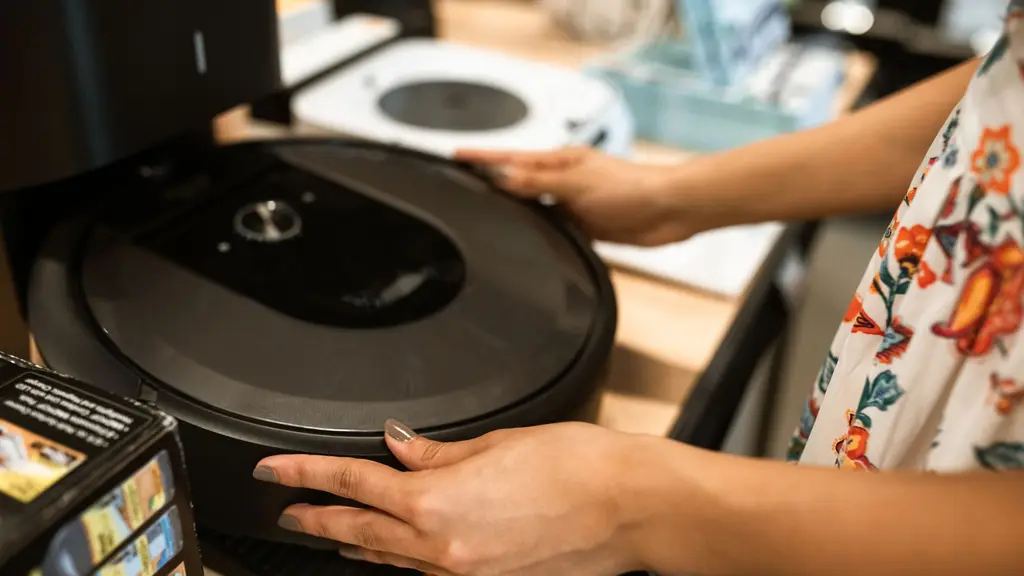
Empty the bin after every run, pull tangled hair off the brush roll weekly, and wipe the sensors and charging contacts every couple of weeks, and most robot vacuums keep navigating and cleaning well for years. Skip any of these and a robot starts missing spots, bumping into things it used to avoid, or losing suction, even though nothing about it is actually broken.
The quick answer
Empty the bin after every run, clear hair from the brush roll and wheels weekly, and wipe the sensors and charging contacts regularly. Those habits fix the vast majority of robot vacuum problems, from missed spots to poor navigation to a robot that will not dock properly. If bristles look thin or worn after a thorough cleaning, replace the brush rather than keep cleaning it, since worn bristles cannot agitate carpet the way fresh ones do.
Key takeaways
- A robot vacuum relies on sensors to map a room and avoid obstacles, so dust or hair covering those sensors degrades navigation even though the vacuuming motor itself is fine (robotic vacuum cleaner overview from Britannica).
- Hair wrapped around the main brush roll or a side brush is the most common cause of a stuck or underperforming robot, and it builds up faster in homes with pets or long hair.
- Charging contacts need to stay clean for the robot to dock and charge reliably. A layer of dust on either the robot or the dock’s contacts can cause charging failures that look like a battery problem but aren’t.
- A dirty or damp mop pad is a common source of bad smells, if your robot mops, since it sits wet in its holder between runs unless you rinse and air it out.
- Worn bristles are a replacement issue, not a cleaning issue. Flattened or thinning bristles pick up less debris no matter how often you clean them.
Why robot vacuums need more upkeep than you’d expect
A robot vacuum does more than a plain upright, since it also has to navigate on its own. That means sensors, wheels, and side brushes in addition to the usual bin and main brush roll, and every one of those parts can quietly degrade performance if it gets dusty or tangled. A robot that starts bumping into furniture it used to avoid, missing entire sections of a room, or refusing to dock properly is very often a maintenance issue rather than a hardware failure, and most of these fixes take a few minutes.
Empty the dustbin after every run
Robot vacuum bins are smaller than an upright’s, so they fill faster relative to how often you run one. Empty the bin after every scheduled run, or at minimum every two to three runs in a lighter-traffic home, since a nearly full bin both reduces suction and, in homes with pets, starts to smell faster than a larger canister vacuum would.
Clear hair and debris from the brush roll and wheels
Power off the robot and flip it over per your model’s manual to access the main brush roll, side brush, and wheels. Cut wrapped hair lengthwise along the main roll with scissors so it comes free in sections rather than fighting one solid tangled mass, then check the wheels, since hair wraps around their axles too and can slow or stop them entirely. A small brush-cleaning tool with a comb edge clears the tightest strands near the bristle base faster than scissors alone and reaches into the wheel wells scissors cannot.
Wipe the sensors and charging contacts
Use a dry, soft cloth to wipe down the sensor windows on the robot’s front and top, since even a thin film of dust can throw off obstacle detection and mapping accuracy. Do the same for the charging contacts on both the robot’s underside and the dock itself, since a layer of dust there is a common, overlooked cause of a robot that will not charge even though the dock looks connected properly.
Rinse the mop pad and water tank if your robot mops
If your robot vacuum and mop combo has just finished a run, remove the mop pad and rinse it under plain water rather than leaving it damp in its holder, since a pad left wet between runs is one of the fastest ways a robot starts to smell. Empty and rinse the water tank on the same schedule, and let both the pad and tank air dry before the next scheduled run whenever your routine allows it.
Do this, not that
| Situation | Do | Don’t |
|---|---|---|
| Wrapped hair on the brush roll | Cut lengthwise with scissors, then pull free | Yank at tangled hair without cutting it first |
| Sensors | Wipe with a dry, soft cloth regularly | Ignore them because the vacuum still runs |
| Charging contacts | Wipe both the robot and dock contacts | Assume charging failures mean a dead battery |
| Mop pad | Rinse and air dry after every mopping run | Leave it damp in the holder between runs |
| Worn bristles | Replace with a proper brush kit for your model | Keep cleaning bristles that are visibly thin or flattened |
When the brushes are worn out, not just tangled
Cleaning fixes tangled hair, but it will not restore bristles that have physically worn down. After months of regular use, main brush roll and side brush bristles flatten and thin, and a worn brush agitates carpet less effectively no matter how clean it is kept. If bristles look noticeably shorter, uneven, or thin compared to when the robot was new, even after a thorough cleaning, a replacement robot vacuum brush kit built for your exact model is the actual fix, not another round of scissors and a cleaning cloth.
If you’re shopping for a robot vacuum that’s easy to maintain
Some robots make this routine faster than others, with an easy-to-pop-out brush roll and a bin you can empty in seconds. The iRobot Roomba 415X Robot Vacuum & Mop Combo is built around straightforward daily maintenance alongside reliable everyday navigation, which matters since a robot vacuum needs more frequent attention than an upright you run once a week. It is the top pick in our guide to the best vacuum cleaner in the USA, and if you are weighing a combo model specifically, the best robot vacuum and mop combo covers what to look for.
See the iRobot Roomba 415X price on Amazon ↗
When to stop and call a technician
- The robot still misses areas or bumps into obstacles after the sensors are cleaned.
- It still will not dock or charge after the contacts on the robot and dock are wiped clean.
- A brush roll, side brush, or wheel remains stuck after wrapped hair and debris are removed.
- Suction stays weak after the bin is emptied and visibly worn brushes are replaced.
Stop using the robot vacuum and have it checked by a qualified technician before using it again.
Bottom line
A robot vacuum stays reliable with a short routine: empty the bin after every run, clear tangled hair from the brush roll and wheels weekly, wipe the sensors and charging contacts regularly, and rinse the mop pad after every mopping run if it has one. Replace bristles that look worn rather than continuing to clean them, since flattened bristles cannot agitate carpet the way fresh ones can. For a standard, non-robot vacuum, how to clean a vacuum cleaner covers the filter and bin steps this guide does not. If you are still deciding between a robot and a cordless stick, see robot vs cordless vacuum or our full guide to choosing a vacuum. Browse the full lineup at vacuum cleaners in the USA.
Sources
- Britannica, “Robotics research”, overview of how autonomous vacuum robots use sensors to navigate and clean: https://www.britannica.com/technology/robot-technology/Robotics-research
This analysis is based on published information from Britannica (Robotics research).
Frequently asked questions
How often should I clean my robot vacuum?
Empty the bin after every run, or every few runs if it's a light-traffic home, and check the brush roll and wheels weekly for wrapped hair. Wipe the sensors and charging contacts every couple of weeks, and rinse a mop pad after every mopping run if your robot mops. Homes with pets need all of this more often.
Why does my robot vacuum keep missing spots or getting stuck?
Dirty sensors and a tangled brush roll are the two most common causes once the bin itself is empty. A robot's navigation relies on sensors staying clear of dust and hair to accurately map a room, and a brush roll wound tight with hair loses its ability to agitate carpet and can jam the motor entirely. Cleaning both usually restores normal navigation.
How do I clean hair out of a robot vacuum's brush roll?
Unplug or power off the robot, then pop out the main brush roll and any side brushes per your model's manual. Cut wrapped hair lengthwise with scissors so it comes free in sections, then pull the loosened pieces off by hand. A small brush-cleaning tool with a comb edge clears the last stubborn strands wound tight against the bristle base faster than scissors alone.
Why does my robot vacuum smell bad?
A full or unemptied bin is the most common cause, especially with pet hair, which traps odor more than plain dust does. A dirty mop pad left damp in its holder after a run is the second most common cause if your robot mops. Emptying the bin promptly and rinsing the mop pad after every use usually clears the smell within a run or two.
Do I need to replace the brushes, or is cleaning enough?
Cleaning restores most performance, but bristles do wear down and flatten over months of regular use, and a badly worn brush picks up less debris no matter how clean it is. If the bristles look thin, uneven, or noticeably shorter than when new after a thorough cleaning, a replacement brush kit for your exact model is the fix, not another round of cleaning.