
 Egypt
Egypt  UAE
UAE  Saudi Arabia
 Vacuum Lost Suction? Here's Why and How to Fix It
We may earn a commission from purchases through our links, at no extra cost to you. How we choose · Disclosure.
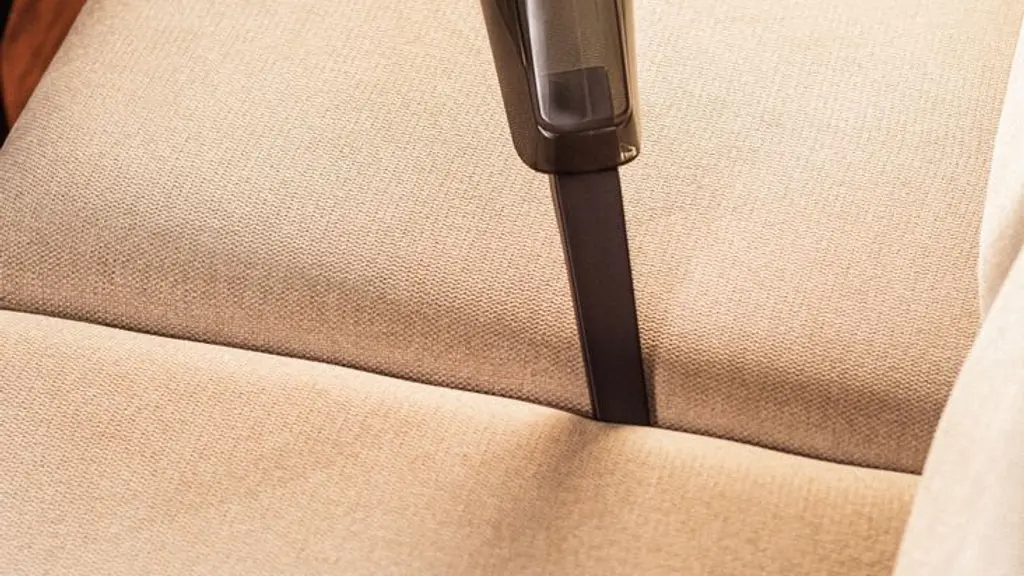
A vacuum that suddenly loses suction is almost never a dead motor. In order of how often it happens, the real cause is usually a full dust bin or bag, a clogged filter, a blocked hose, or hair wrapped tight around the brush roll. Check those four in order before assuming the machine is done for, since three of them take less than five minutes to fix and cost nothing.
The quick answer
Check the bin or bag first, then the filter, then the hose and brush roll for a blockage, then the belt. Any one of these restricts the airflow the motor needs to create suction, and clearing the blockage usually restores full power right away. If you have cleared all four and suction is still weak, the filter may need replacing rather than washing, or the machine itself may be old enough that repairing it costs more than it is worth.
Key points
- A vacuum creates suction with a motor-driven fan that pulls air through the machine, so anything that restricts that airflow, a full bin, a clogged filter, a blocked hose, reduces suction even though the motor is running fine (vacuum cleaner mechanics from Britannica).
- A full bin is not always obvious. Compacted dust can look like it has room left while still blocking airflow near the inlet.
- The filter is the most common overlooked cause, since it can look clean at a glance while fine dust has already clogged the pores that let air pass through.
- Hair and string wrapped around the brush roll cut suction at the floor, before air even reaches the bin or filter.
- A worn or slipping belt stops the brush roll from spinning, which reduces pickup even if suction at the hose itself is normal.
Check these four things, in order
- Empty the bin or replace the bag, even if it looks half full. Compacted dust near the outlet can choke airflow before the bin looks obviously full.
- Pull the filter and check it against a bright light. If you cannot see light through it, it is clogged. Wash it per the manual if it is washable, and let it dry completely, since a damp filter put back in wet restricts airflow just as much as a dirty one.
- Check the hose for a blockage, unplugging the vacuum first. A sock, a wad of paper, or a toy piece lodged partway down the hose is a common and easy fix once you find it.
- Check the brush roll for wrapped hair or string. Cut it free with scissors, working carefully around the bristles, and clear any hair that has worked into the bearings at each end.
Where each cause shows up
| Symptom | Likely cause | Fix |
|---|---|---|
| Suction drops gradually over weeks | Filter loading up with fine dust | Wash or replace the filter |
| Suction drops suddenly, mid-clean | Object lodged in the hose | Clear the hose |
| Weak pickup but the motor sounds fine | Wrapped hair or string on the brush roll | Cut hair free, clean the brush bearings |
| Brush roll does not spin at all | Worn or broken belt | Replace the belt |
| Bin looks fine but suction is still weak | Compacted dust blocking the inlet | Empty it and check the inlet path, not just the fill level |
When washing the filter is not enough
Most vacuum filters are washable, but only up to a point. Rinse it in cold water with no soap, work out any visible buildup, and let it air-dry fully, which usually takes a full day. If a clean, completely dry filter still does not bring suction back, the filter media itself has likely worn out rather than just gotten dirty, and washing will not fix that. At that point, the practical move is a compatible replacement filter sized for your exact model, not a generic universal one that only sort of fits the housing. A loose-fitting replacement lets unfiltered air leak around the edges, which quietly undoes the point of replacing it.
If it is not the filter, the hose, or the belt
If you have worked through all four checks and suction is still weak, especially on an older vacuum, the motor bearings or seals may simply be worn from years of use, and that is usually not worth repairing on a budget machine. At that point it is worth comparing what a new vacuum actually costs against a repair bill. Our top pick, the iRobot Roomba 415X Robot Vacuum & Mop Combo, handles daily upkeep on its own so filter and bin maintenance stays simple and predictable, and it tops our guide to the best vacuum cleaner in the USA.
See the iRobot Roomba 415X price on Amazon ↗
Bottom line
A vacuum that suddenly loses suction is almost always a full bin, a clogged filter, a blocked hose, or a worn belt, checked in that order. Most of these take minutes to fix and nothing but your own time. If pet hair is a repeat offender on your brush roll, see our best vacuum cleaner for pet hair picks built to handle it better. If you are deciding between a robot and a manual vacuum for easier day-to-day maintenance, robot vs cordless vacuum breaks down the trade-offs, and our best robot vacuum picks are a good place to start if you are ready to replace an old machine. For sizing and type guidance from scratch, see our guide to choosing a vacuum, or browse the full lineup at vacuum cleaners in the USA.
Sources
- Britannica, “Vacuum cleaner”, background on how a vacuum’s motor and airflow create suction: https://www.britannica.com/technology/vacuum-cleaner
This analysis is based on published information from Britannica (Vacuum cleaner).
Frequently asked questions
Why did my vacuum suddenly lose all suction?
A sudden loss of suction is almost never the motor dying. It is far more likely a full bin or bag, a clogged filter, a blocked hose, or hair jammed around the brush roll. Check those four in order before assuming the machine is done for, since three of them take less than five minutes to fix.
Why does my vacuum lose suction even when the bin is not full?
The filter is the most commonly overlooked cause. It can look fine at a glance while fine dust has already clogged the pores that let air pass through, which restricts airflow the same way a full bin does. Pull it out and check it against a bright light: if you cannot see light through it, it is due for a wash or a replacement.
Can a clogged hose or blocked brush roll cause a vacuum to lose suction?
Yes. A sock, a wad of paper, or a lodged toy piece partway down the hose blocks airflow just as effectively as a full bin, and it is a common, easy fix once you find it. Hair and string wrapped tightly around the brush roll cut suction at the floor before air even reaches the hose or filter.
How do I know if my vacuum's filter needs replacing instead of washing?
Rinse it in cold water with no soap and let it air-dry completely, which usually takes a full day. If a clean, fully dried filter still does not restore suction, the filter media itself has worn out rather than just gotten dirty, and washing will not fix that. At that point, replace it with a compatible filter sized for your exact model.
Is it worth repairing an old vacuum that keeps losing suction, or should I replace it?
If you have checked the bin, filter, hose, and belt and suction is still weak, repeated failures on an older machine usually mean the motor bearings or seals are worn, and that is rarely worth repairing on a budget vacuum. Comparing the repair cost against a new vacuum's price is usually the more practical move at that point.