
 Egypt
Egypt  Saudi Arabia
  USA
USA Bottom-Load vs Top-Load Water Dispenser: How to Pick
We may earn a commission from purchases through our links, at no extra cost to you. How we choose · Disclosure.
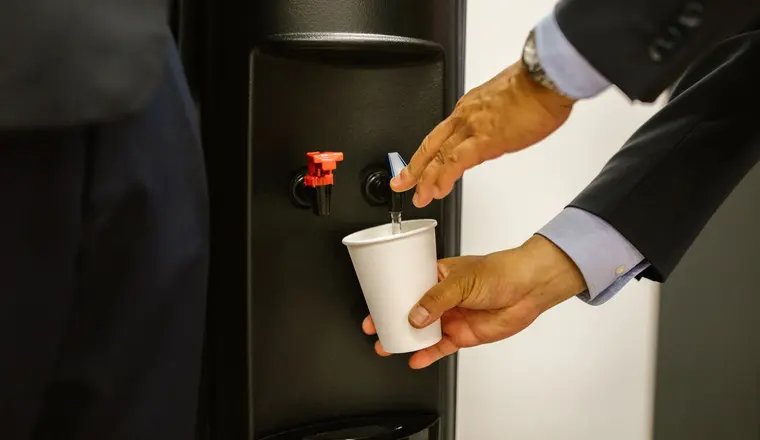
If you’ve started shopping for a water dispenser in the UAE, you’ve probably noticed the listings split into two types, bottom-load and top-load, and the description alone doesn’t always make it obvious which one you actually want. The difference isn’t cosmetic, it comes down to one physical motion you’ll repeat every time your 5-gallon bottle runs dry. Let’s walk through it so you pick the right one the first time.
The quick answer
A top-load dispenser means you lift the full bottle up and flip it onto the top. A bottom-load dispenser means the bottle sits in the base at waist height, so you never lift it overhead. Top-load is mechanically simpler and usually cheaper. Bottom-load costs more but spares your back and arms every single refill. Everything else about how the two work is identical.
Key takeaways
- Top-load dispensers are the simpler mechanism, which is why they tend to sit at the lower end of the price range in this category on Amazon.ae.
- Bottom-load dispensers let you slide the bottle in at waist height, so you never lift a nearly-20-kilogram bottle above your head.
- Both types give you the same hot, cold, and room-temperature taps once the bottle is loaded, the loading step is the only real difference.
- If you’re not sure you need a full dispenser at all, a bottle pump does the core job of getting water out for a fraction of the price, though without a hot tap.
- How often you refill matters more than anything else here. Occasional swaps make the lift a non-issue. Frequent swaps make bottom-load worth the extra cost.
Top-load: simple and usually cheaper
A top-load water dispenser is built around a simple idea: the bottle sits upside down on top of the unit, gravity feeds the taps below. That simplicity is exactly why top-load models tend to be the most affordable full dispensers you’ll find. The Midea Top-Loading Water Dispenser on this page is a good example: 3 taps for hot and cold water, at roughly ≈ 339 AED, the cheapest of the full-size dispensers we cover.
The catch is the lift itself. A full 5-gallon bottle weighs close to 20 kilograms, and getting it up and flipped onto the top of the unit takes some strength and a bit of care, especially if you’re doing it solo. If you only refill occasionally, or you don’t mind the lift, this trade-off barely registers. If you’d rather not do that motion every time, that’s your cue to look at bottom-load instead.
Bottom-load: no lifting, at a price
A bottom-load dispenser flips the layout: there’s a compartment in the base of the unit where the bottle sits right-side up, so you slide it in at waist height rather than hoisting it overhead. For anyone refilling often, or with back concerns, or just tired of the awkward flip-and-lift motion, this is the real upgrade. The Super General SGL2020BM and the Nikai 3-Tap in our best water dispenser in the UAE roundup are both bottom-load, and both price higher than the top-load pick on this page, which reflects the more complex internal mechanism needed to pull water up from a base-level bottle.
Beyond the loading mechanism, a bottom-load unit works exactly like a top-load one: same taps, same hot-and-cold function, same day-to-day use. You’re paying specifically for the comfort of not lifting, nothing more.
Which one should you actually get?
The honest answer comes down to two questions: how often are you swapping bottles, and how comfortable are you lifting close to 20 kilograms above your head? If you refill once every couple of weeks and don’t mind the effort, a top-load model like the Midea saves you real money for the identical hot-and-cold function. If you’re refilling multiple times a week, live alone and don’t have help with the lift, or simply want one less strain in your routine, the extra cost of a bottom-load unit buys real, repeated comfort.
There’s no wrong answer here, it’s a trade-off between price and physical effort, not a quality difference. Neither type dispenses water any better or worse than the other once the bottle is in place.
Quick comparison: top-load vs bottom-load
| Top-load | Bottom-load | |
|---|---|---|
| Loading motion | Lift the full bottle overhead | Slide the bottle in at waist height |
| Typical price | Lower | Higher |
| Taps and function | Same hot/cold/room temperature | Same hot/cold/room temperature |
| Best for | Occasional refills, tighter budgets | Frequent refills, back or strength concerns |
Don’t forget the pump option
Before you commit to either type of dispenser, it’s worth asking whether you need a heated tap at all. A bottle pump, electric or manual, sits on top of the bottle and gets water out at the press of a button, without lifting the bottle onto or into anything, and without the price of a full dispenser’s heating element. If cold or room-temperature water is really all you use daily, a pump solves the exact same “getting water out of the bottle” problem that both dispenser types solve, at a fraction of the cost. Our how to choose a water dispenser guide walks through that fork in more detail.
Read your decision in a minute
- Ask yourself how often you actually refill the bottle, weekly swaps make bottom-load worth considering, occasional ones don’t.
- Be honest about the physical lift, if hoisting close to 20 kilograms overhead isn’t something you want to repeat, that’s your answer.
- Decide if you need a hot tap at all, if not, a pump may be the smarter buy over either dispenser type.
- If you land on top-load, the Midea Top-Loading Water Dispenser is the best value pick we found on Amazon.ae.
- For the full ranked lineup and prices, see the best water dispenser in the UAE and water dispenser prices in the UAE.
For everything in this category in one place, browse our water dispensers section.
This analysis is based on published information from Amazon.ae.
Frequently asked questions
What's the core difference between bottom-load and top-load water dispensers?
A top-load dispenser needs you to lift the full 5-gallon bottle up and flip it onto the top of the unit. A bottom-load dispenser has a compartment in the base where the bottle sits right-side up, so you slide it in at waist height and never lift it overhead. That single difference in motion is what the whole decision comes down to.
Is a bottom-load dispenser worth the extra price?
It depends on how often you're swapping bottles and how comfortable you are lifting a full 5-gallon bottle, which weighs close to 20 kilograms, above your head. If that's a real strain, or you're refilling multiple times a week, the extra cost of a bottom-load unit like the Super General SGL2020BM buys real comfort. If you swap bottles occasionally and don't mind the lift, a top-load model like the Midea saves you money for the same hot-and-cold function.
Do bottom-load and top-load dispensers work the same otherwise?
Yes, once the bottle is in place, both types work the same way: you press a tap and get hot, cold, or room-temperature water. The loading mechanism is the only functional difference. Tap count, water temperature options, and general upkeep are the same across both types.
Should I get a dispenser at all, or just a pump?
That's a separate, earlier decision. Both bottom-load and top-load dispensers add a heated tap that a simple bottle pump doesn't have, at several times the price. If you don't need hot water on tap, a pump does the core job of getting water out of the bottle for a fraction of the cost, and it's genuinely where buyer satisfaction is highest in this category on Amazon.ae right now.