
 Egypt
Egypt  Saudi Arabia
  USA
USA Central Water Heater vs a Separate Heater for Each Bathroom
We may earn a commission from purchases through our links, at no extra cost to you. How we choose · Disclosure.
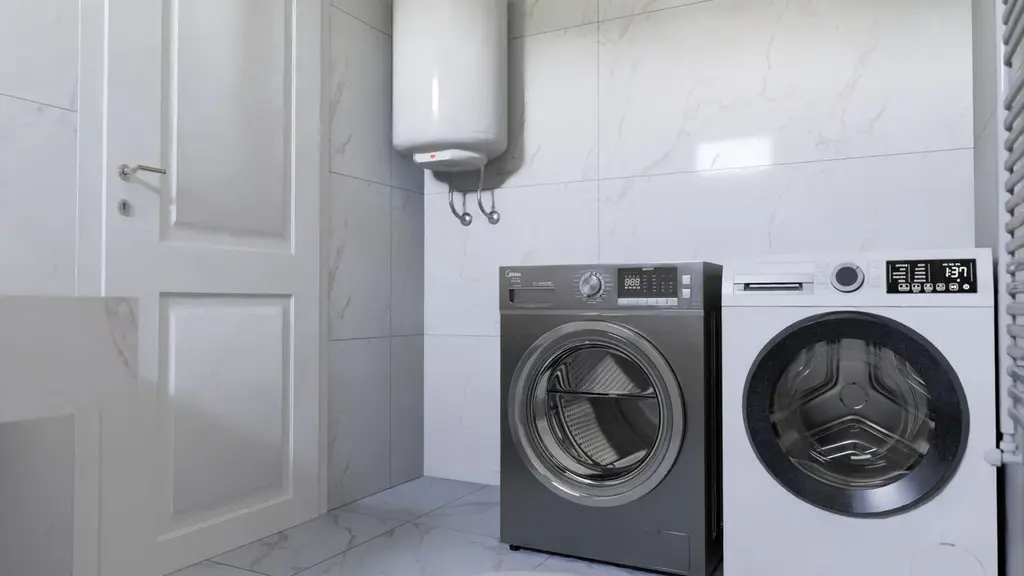
In most villas and apartments with more than one bathroom, a single central water heater with enough capacity, typically 80 liters or more, feeding every bathroom is the more practical and cost-effective choice long term. A separate heater per bathroom or an immersion rod at the point of use is only worth considering in specific cases: a bathroom too far from the main plumbing line, or an occasional single-point need that doesn’t justify running a full tank.
The quick answer
One central tank with enough capacity is the right call for most multi-bathroom homes, since it’s simpler to maintain and cheaper overall than several separate units. The real exception is a bathroom far from the main tank on a long plumbing run, where a small additional heater or an immersion rod right at that point solves the problem without redesigning the whole water network.
Key takeaways
- A central water heater feeds every bathroom in the home from one tank, which is the standard setup in most UAE villas and apartments since most units are installed by the landlord or developer before handover (background on centralized versus point-of-use water heating from ENERGY STAR).
- A point-of-use heater, like an immersion rod, has no connection to the plumbing network at all, it heats whatever container you place it in directly, so it solves one specific problem rather than replacing a tank feeding a shower.
- Distance from the main tank is the deciding factor, not bathroom count alone. A bathroom close to the tank runs efficiently on the central system, while one at the far end of a large villa can wait longer for hot water to arrive.
- Multiple separate units raise installation and maintenance cost, since each needs its own electrical run and periodic checkup, while one central system is simpler to keep up with year after year.
- An immersion rod is not a substitute for a shower or multiple taps, it’s a practical fix for filling a bucket or small basin only.
What’s the difference between central and point-of-use water heating?
A central water heater is a single tank, usually horizontal and mounted above a bathroom ceiling or in a utility space, that heats a large volume of water and sends it through the plumbing to wherever it’s needed: two bathrooms, two showers, sometimes the kitchen tap too. A point-of-use heater, most simply an electric immersion rod, has no plumbing connection at all; you place it directly in the container you want to heat, a bucket or a small basin, and it heats only that container. The core difference isn’t power or price, it’s distribution: one feeds a whole network on demand, the other heats a single vessel in the moment.
When a central water heater is the right call
If your home has two or more bathrooms that are reasonably close together in the layout, or a household of three-plus where showers tend to bunch up around the same time of morning, a central tank with 80 liters or more is the clearly better choice. Installing one unit with one electrical run is simpler than maintaining several, and the total cost over years of use is usually lower. This is the default setup in most UAE villas and apartments, and there’s no real reason to consider an alternative unless you’re in one of the exceptions below.
When a separate unit or immersion rod is worth considering
The first case: a bathroom or kitchen far enough from the main tank on a long plumbing run that hot water takes a long time to arrive, where a small additional heater installed right at that point is more cost-effective than redesigning the whole water network to bring it closer to the central tank. The second case: a genuinely occasional need for hot water at a single point only, like filling a bucket for cleaning or a small basin in a laundry room or outdoor kitchen, where an immersion rod under 100 AED solves it instantly with no installation or extra plumbing. Both are real exceptions, not the default.
Quick comparison: central vs point-of-use
| Aspect | Central water heater | Point-of-use (immersion rod) |
|---|---|---|
| Feeds | Every bathroom and tap from one tank | One container only, a bucket or small basin |
| Installation | Needs an electrical run and plumbing connection | No installation, just place it in water |
| Best for | Homes with 2+ bathrooms or overlapping daily use | A point far from the tank, or occasional use |
| Upfront cost | Higher per unit, but lower overall than multiple units | Very low, under 100 AED |
| Replaces a full shower? | Yes | Never |
The simple rule: if the question is distributing hot water across multiple bathrooms, a central water heater is always the answer. If the question is heating one container at a distant point or for occasional use, an immersion rod solves it for a fraction of the cost.
Which central tank fits your villa or apartment?
Once you’ve decided a central water heater is the right direction for your home, the next question is capacity. The Ariston Pro-R 80L Horizontal (≈ 800 AED at the time of writing) is our top pick for a home with more than one bathroom, backed by a long-established Italian water heater brand and positive early reviews on Amazon.ae. If you only have one bathroom and want the cheapest full tank that gets the job done, smaller-capacity options are also covered in our guide to the best water heater in the UAE, where you’ll find every option with current pricing side by side.
Bottom line
For most multi-bathroom villas and apartments, a single central tank with enough capacity, like the Ariston Pro-R 80L, is the right call for installation, maintenance, and total cost. A separate heater per bathroom is rarely worth the effort, and an immersion rod is only useful for a single point far from the tank or an occasional need, not as a replacement for a full shower. To size exactly what your home needs, read what size water heater do you need, and to check whether your kitchen needs its own unit, see does the kitchen need its own water heater. For the full buying criteria, check how to choose a water heater, and for current price ranges browse water heater prices in the UAE or head back to water heaters for the full hub.
Sources
- ENERGY STAR, “Residential water heater types”, background on centralized versus point-of-use water heating systems and how each distributes hot water: https://www.energystar.gov/products/water_heaters/residential_water_heaters_key_product_criteria
This analysis is based on published information from ENERGY STAR (Residential water heater types).
Frequently asked questions
Can one central water heater feed two or three bathrooms at once?
Yes, as long as its capacity is high enough, typically 80 liters or more for a home with two or more bathrooms and overlapping use. The deciding factor isn't bathroom count alone, it's whether more than one bathroom draws hot water at the same moment. An 80-liter tank like the Ariston Pro-R gives you a real buffer for that overlap.
When is an immersion rod better than installing an extra heater?
When your actual need is a single occasional point, like filling a bucket for cleaning or a small basin in a laundry room far from the main tank, rather than a full shower. A 1000W immersion rod has no connection to shower plumbing at all, so if that distant bathroom genuinely needs a shower, the right fix is a small heater installed at that point, not an immersion rod.
Is a central water heater cheaper than several separate units long term?
Usually yes, because one unit means one electrical run and one maintenance schedule instead of repeating both for every bathroom. The real added cost of multiple units shows up in annual maintenance and initial installation more than in the monthly power bill.
My home has a bathroom far from the main tank, what's the fix?
If distance alone is causing a long wait for hot water to arrive, a small additional heater installed right at that bathroom is more practical than redesigning the whole plumbing network to connect it to the main tank. That's a genuine exception to the general rule, not the default setup for a home with two neighboring bathrooms.
Does a central heater use more electricity than several small ones?
Not necessarily, consumption depends more on how often the tank reheats and how well it's insulated than on unit count. A well-insulated central tank heats one batch that covers the day, while several small units can reheat repeatedly if used intermittently throughout the day.