
 Egypt
Egypt  Saudi Arabia
  USA
USA Does the Kitchen Need Its Own Water Heater?
We may earn a commission from purchases through our links, at no extra cost to you. How we choose · Disclosure.
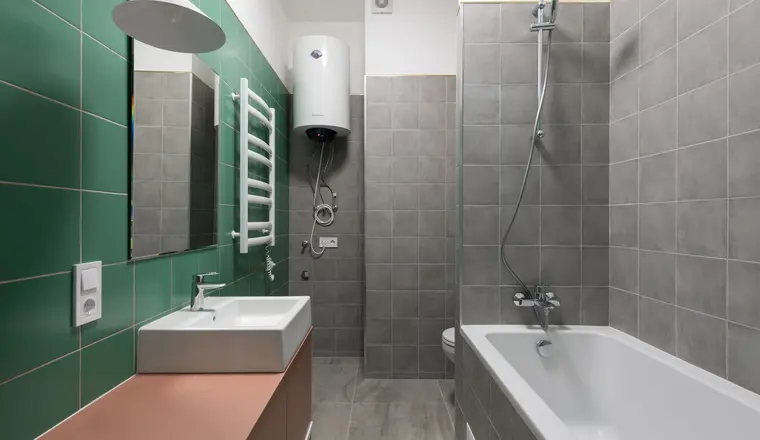
In most UAE homes, a single central water heater feeds the kitchen and the bathroom from the same network, so the kitchen doesn’t need its own heater as long as the plumbing distance to the main tank is reasonable. The real exception is a kitchen far enough from the tank, or an outdoor kitchen or annex that isn’t connected to the main network at all, and only then is a small additional unit worth considering.
The quick answer
No, the kitchen doesn’t usually need a separate water heater from the bathroom, because one central tank with enough capacity feeds every hot water point in the home, including the kitchen tap. A separate unit is only worth considering if the kitchen is far enough from the main tank that hot water regularly arrives with an annoying delay, or if it’s an outdoor kitchen not connected to the network at all.
Key takeaways
- A central tank is the default setup in most UAE homes, feeding both bathroom and kitchen from one point as long as the plumbing distance is reasonable (background on distribution in water heating systems from ENERGY STAR).
- Pipe length is the real cause of any delay, not a problem with the tank itself; the longer the run between the tank and the kitchen tap, the longer hot water takes to arrive.
- An outdoor kitchen or annex is a genuinely different case, since it may not be connected to the main plumbing network at all, and here a small independent heater is the logical solution, not the exception.
- An immersion rod only solves an occasional need, like filling a small basin, not a tap that needs continuously flowing hot water throughout the day.
- A rare delay doesn’t justify an extra installation, only a repeated, genuinely annoying delay is worth solving with a new unit.
Why a central tank covers most cases
A central water heater is built to feed more than one point in the home, not just the bathroom. As long as the plumbing distance between the tank and the kitchen tap is reasonable, which is the case in most standard UAE apartments and villas, hot water at the bathroom and hot water at the kitchen come from the same network with no real performance difference. That’s why most homes never need to think about a separate kitchen heater at all, the question is usually already settled by the plumbing layout decided at construction.
When the kitchen is a genuine exception
The first case: a kitchen at the far end of a large villa, where hot water takes a long time to reach the tap because of a long pipe run, a genuine delay worth fixing with a small additional unit right at the kitchen point rather than redesigning the whole network. The second case: an outdoor or standalone kitchen, like a summer kitchen in a villa garden, that isn’t connected to the indoor plumbing network at all, where an independent heater isn’t the exception, it’s the only logical solution.
When an immersion rod is enough instead of a full heater
If your kitchen need is genuinely occasional, like filling a small basin with hot water or heating a bucket for deep cleaning, rather than a tap used continuously throughout the day for dishwashing, an immersion rod under 100 AED solves exactly that need with no installation or extra plumbing. But it can’t feed a kitchen tap used daily for dishes with continuously flowing hot water, that needs a real connection to a central tank or a dedicated unit.
Quick comparison: does your kitchen need a separate heater?
| Situation | Actual need | Fix |
|---|---|---|
| Kitchen close to the main tank | Nothing extra | Rely on your existing central tank |
| Kitchen far away, regular annoying delay | Faster hot water at the kitchen point | A small additional heater at the kitchen tap |
| Outdoor kitchen or annex, not connected to the network | Fully independent hot water | A small standalone unit or immersion rod |
| Occasional need only, like a small basin | Single-point use | Immersion rod under 100 AED |
Bottom line
In most UAE homes, your existing central tank, whether the Ariston Pro-R 80L or a similar unit, already feeds the kitchen and bathroom together with no need for an extra unit. Only consider a separate heater if your kitchen is far enough from the tank for a genuinely annoying delay, or if it’s an outdoor kitchen with no connection to the network at all. To decide whether a central setup or separate units are right for your home overall, read central water heater vs a separate heater for each bathroom, and to size exactly what your home needs, see what size water heater do you need. For the full buying criteria, check how to choose a water heater, and for the best overall tank browse our guide to the best water heater in the UAE or head back to water heaters for the full hub.
Sources
- ENERGY STAR, “Residential water heater types”, background on distributing central water heating systems to more than one point of use in a single home: https://www.energystar.gov/products/water_heaters/residential_water_heaters_key_product_criteria
This analysis is based on published information from ENERGY STAR (Residential water heater types).
Frequently asked questions
Is the kitchen tap usually connected to the same tank as the bathroom?
In most UAE apartments and villas, yes. A single central tank feeds every hot water point in the home, including the kitchen tap, as long as the plumbing distance between them is reasonable. That's the default setup, not the exception.
When does the kitchen actually need a separate heater?
When the kitchen is far enough from the main tank that hot water takes a long time to reach the tap, or in an outdoor kitchen or annex that isn't connected to the main plumbing network at all. Only in those two cases is a small additional unit worth considering.
Is an immersion rod a practical substitute for a kitchen heater?
Only if your actual need is hot water for an occasional task, like filling a small basin or a bucket, not a tap that needs continuously flowing hot water. An immersion rod has no plumbing connection to the tap at all.
Why does hot water in the kitchen sometimes feel slower than the bathroom?
Usually because of a longer pipe run between the tank and the kitchen tap compared to the bathroom, not a problem with the tank itself. The longer the distance, the longer hot water takes to arrive, especially in a kitchen at the far end of an apartment or villa.
Is installing an extra heater for the kitchen worth the cost?
Only if the delay is genuinely and regularly annoying, not a rare occurrence. If it's just a few extra seconds occasionally, your existing central tank does the job fine and there's no need for the added cost.