
 Egypt
Egypt  Saudi Arabia
  USA
USA Coffee Tastes Bitter From Machine? The Real Cause
We may earn a commission from purchases through our links, at no extra cost to you. How we choose · Disclosure.
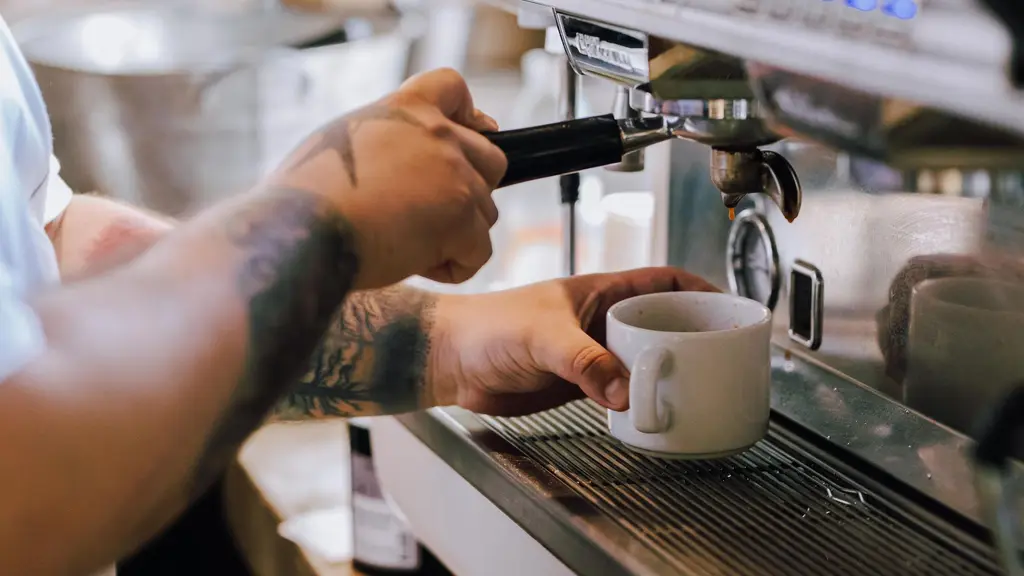
If your machine’s coffee has started tasting bitter or flat even though you’re using the same beans as always, the cause is almost never the beans themselves. The first suspect is mineral scale built up inside the boiler, and the second is old coffee oils stuck in the brew path. Both change the water’s temperature and pressure during brewing, pulling bitter flavors out of beans that would otherwise taste fine. The fix is usually a descale and a clean, not a new bag of beans.
Quick answer
The first thing to do when coffee turns bitter or flat is descale the machine and clean the brew path, not switch beans. Built-up mineral scale and old coffee oils stuck in the tubing are the most common causes of a changed taste, especially on espresso and bean-to-cup machines. If bitterness continues after a full clean, the likely cause is too fine a grind or beans past their prime, not a fault in the machine.
Key takeaways
- Mineral scale changes the water’s pressure and temperature during brewing, which extends contact time with the grounds and pulls out bitter compounds that should have stayed in the filter (limescale background from USGS).
- Old coffee oils stuck in the brew path turn rancid over time, adding bitterness to every fresh cup that passes through the same path, even with perfectly fresh beans.
- Over-extraction is the direct chemical cause of bitterness (coffee preparation background from National Coffee Association (NCA)), and it happens when water sits with the grounds longer than it should, from too fine a grind or from abnormal pressure caused by scale.
- Capsule machines are not immune: the internal boiler scales up like any other machine, even though you never see raw beans go in.
- Fresh beans are rarely the actual cause, unless they are genuinely old or roasted so dark that their natural bitterness stacks on top of the machine’s.
Why does coffee turn bitter or flat?
Over-extraction is the technical name for the problem: water stays with the grounds longer than it should, and it pulls out extra compounds, most of them bitter. This happens for three main reasons. First, mineral scale narrows the boiler’s fine internal tubing, raising pressure and slowing flow. Second, old coffee oil residue in the group head or brew path adds a rancid note on top of any other bitterness. Third, a grind finer than the machine calls for, whether your grind setting drifted or a built-in grinder needs adjusting.
The practical rule: if bitterness crept in gradually over weeks with no change to your beans, the machine is the variable, not your buying habits.
The first fix: descale and clean the brew path
Before trying new beans, start here:
- Run the built-in descaling cycle, or pass a citric acid solution or branded descaler through manually if your machine has no automatic cycle.
- Rinse with two clean-water tanks after any descaler, since leftover descaler itself adds an off taste.
- Clean oils out of the brew path with a water backflush on an espresso machine, or a thorough basket and filter wash on a drip or capsule machine.
- Brew a test cup and taste it before deciding whether the problem is gone or still there.
For the full schedule of how often to descale based on your machine type and water, see our guide on how to descale a coffee machine.
| Symptom | Likely cause | Fix |
|---|---|---|
| Slow flow with bitter taste | Scale buildup in the boiler | Full descale |
| A “stale” or rancid note with oily sheen in the basket or filter | Old coffee oils stuck in the path | Clean the brew path or backflush |
| Thin or no crema on espresso with bitterness | Wrong grind or scale, or both | Check the grind, then descale |
| Bitterness only in the first cup after sitting idle | Stagnant water in the tubing | Run an empty water cycle before the first cup |
When the problem is the beans or your setup, not the machine
If the machine is fully clean and scale-free and the coffee is still bitter, look at your beans and setup before suspecting the machine again:
- Old beans: coffee loses flavor and drifts toward flat and bitter within weeks of opening the bag, even when stored properly.
- Too dark a roast: dark roasts are naturally more bitter than medium roasts, a taste choice rather than a machine fault.
- Grind too fine: every machine type needs a specific grind size, and a finer grind extends contact time with the water and raises bitterness.
- Too much coffee for the water: an unbalanced coffee-to-water ratio gives a heavier, more bitter cup regardless of the machine.
A practical fix that skips the manual measuring
If you’d rather not measure citric acid by hand every time, a ready-made descaling solution built for coffee machines makes it simpler: pour it into the tank, run the descaling cycle, and rinse with two clean-water tanks, exactly as your machine’s manual recommends. This kind of solution is easy to find in UAE stores and needs no precise measuring.
If bitterness or weak flow continues even after a full, regular clean, or your machine is old and has no descale indicator at all, it may be time to consider something simpler to maintain. A practical example from our shortlist: the Nescafe Dolce Gusto Genio S, with a one-button routine and thousands of positive reviews on Amazon.ae, which tops our guide to the best coffee machine in the UAE. You’ll find its current price and the Amazon.ae link in the card below.
The bottom line
Bitter or flat coffee from a machine is almost always caused by mineral scale or old oils stuck in the brew path, not the beans. Always start with a descale and a brew-path clean before you swap bean bags. If the problem persists after a full clean, look at your bean’s roast date and grind size next. For the full descaling schedule by machine type, see how to descale a coffee machine, and for the full buying criteria if you’re considering a new machine, read how to choose a coffee machine. To check current price ranges, see coffee machine prices in the UAE, or head back to coffee machines for the full hub.
Sources
- USGS, “Hardness of water”, background on mineral scale and its effect on household appliance tubing: https://www.usgs.gov/water-science-school/science/hardness-water
- National Coffee Association (NCA), “Drip coffee brewing and extraction”, background on coffee brewing methods and over-extraction: https://www.aboutcoffee.org/brewing/drip-coffee/
This analysis is based on published information from USGS (Hardness of water), National Coffee Association (NCA) (Drip coffee brewing and extraction).
Frequently asked questions
Why does my coffee taste bitter even though I'm using the same beans?
The beans are usually not the problem. Mineral scale built up inside the boiler and old coffee oils stuck in the brew path both change the water's temperature and pressure during brewing, pulling bitter compounds out of the exact same beans that tasted fine weeks ago. Descaling and cleaning the brew path is the first fix, before you change your bean bag.
Does scale buildup inside the machine actually cause bitter coffee?
Yes. Scale narrows the machine's fine internal tubing and changes water pressure and temperature, which extends how long water sits in contact with the grounds. That is over-extraction, and it pulls out bitter compounds specifically. Espresso and bean-to-cup machines are more sensitive to this because they run at higher pressure through finer tubing than a capsule or drip machine.
How do I fix bitter coffee from a capsule machine like Nespresso or Dolce Gusto?
Run the machine's built-in descaling cycle first. Even capsule machines have an internal boiler that scales up like any other machine. If bitterness continues afterward, check the capsule's own intensity level, since some blends are simply darker roasted than others, before assuming the machine is faulty.
When is bitterness caused by the beans rather than the machine?
If the machine is fully clean and scale-free and the coffee is still bitter, look at the beans and your setup next: a very dark roast, beans that are past their prime by months, or a grind that is finer than your machine calls for. Try a fresh bag or a slightly coarser grind before suspecting the machine again.