
 Egypt
Egypt  Saudi Arabia
  USA
USA Dishwasher Not Drying Dishes? The Real Causes and Fix
We may earn a commission from purchases through our links, at no extra cost to you. How we choose · Disclosure.
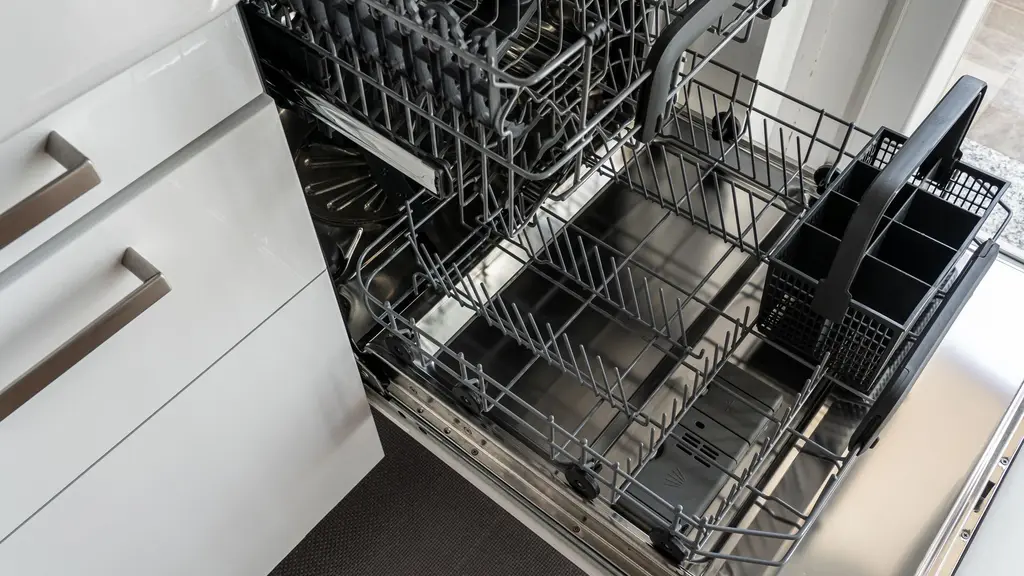
If dishes, especially plastic ones, keep coming out of your dishwasher wet or covered in water droplets even after the cycle finishes, the most common cause is an empty rinse aid reservoir or a heat-dry setting that’s been switched off to save energy, not a broken machine. The fix usually doesn’t need a technician: refill the rinse aid, turn on heat-dry, and keep plastic items on the top rack near the vent.
The quick answer
The most common reason dishes come out wet is an empty rinse aid reservoir or a heat-dry setting turned off to save energy, not a dishwasher fault. Plastic items are affected more than glass or ceramic because they lose heat quickly and don’t help leftover water evaporate. Keeping rinse aid topped up, turning on heat-dry, and avoiding opening the door right after the cycle ends solves the problem in most cases.
Key takeaways
- Rinse aid is the first fix to check because it breaks the surface tension of water, letting it sheet off dishes instead of pooling into droplets (background on surface tension and surfactants from Britannica).
- Plastic dries harder than glass or ceramic because it’s lighter and loses heat faster after the cycle ends, leaving less time for remaining water to evaporate.
- Some eco settings disable heat-dry to save energy, relying instead on condensation drying, which takes longer (how a dishwasher works from Britannica).
- Opening the door right after the cycle ends interrupts the natural drying phase, so it’s better to wait 15 to 20 minutes before unloading.
- An overloaded rack blocks hot air circulation, so some items stay damp even though the machine is working perfectly fine.
Why do dishes come out wet in the first place?
A dishwasher dries dishes one of two ways: heat-dry, where a heating element evaporates leftover water, or condensation drying, which relies on the temperature difference between hot water and the cooler air inside the chamber so moisture condenses and runs off. The second method is slower and less effective on surfaces that don’t retain heat, which is exactly why plastic items struggle more than anything else: plastic is light and cools fast, so it doesn’t stay warm enough to help water evaporate or slide away.
This is where rinse aid comes in. Without it, water pools into large droplets on smooth surfaces because of natural surface tension, and those droplets take much longer to evaporate than a thin, spread-out film of water. Rinse aid breaks that surface tension so water sheets off evenly and dries much faster, which is the biggest difference most people notice as soon as the reservoir is refilled.
Rinse aid: the missing piece more often than not
If the rinse aid reservoir in your dishwasher has been empty for a while, that’s most likely the main culprit, especially if you’re seeing spots on glassware or plastic items that stay visibly wet. Most modern dishwashers, whether countertop or freestanding, have a dedicated rinse aid reservoir next to the detergent compartment, and it needs topping up every few weeks depending on how heavily you use the machine and the fill level it recommends. No specific brand is required, any dishwasher-safe rinse aid does the job, the important part is just not neglecting it.
Common causes and how to fix them
| Cause | How you’ll notice it | Fix |
|---|---|---|
| Empty rinse aid reservoir | Water spots on glass, plastic items visibly wet | Refill with a dishwasher-safe rinse aid |
| Heat-dry off or eco mode enabled | Everything is slightly damp even though the cycle ended | Switch on the heat-dry option in the machine’s settings, if available |
| Plastic items in the wrong spot | Plastic wet, glass and ceramic dry | Place them on the top rack near the vent |
| Opening the door right after the cycle | Visible steam and moisture on opening | Wait 15 to 20 minutes before unloading |
| Overloading blocks air circulation | Scattered damp spots between crowded items | Space items out so hot air can pass through |
Practical steps to fix it today
- Check the rinse aid reservoir and refill it if it’s empty or low.
- Confirm heat-dry is switched on in the cycle settings, if your machine supports it separately from eco mode.
- Rearrange the top rack so plastic items sit near the vent, away from crowded larger dishes.
- Leave the door closed for 15 to 20 minutes after the cycle ends, then open it to unload.
- Don’t crowd the racks with touching dishes, since spacing between items is what lets hot air reach every surface.
Is the dishwasher itself the problem?
If you’ve tried everything above and dishes still come out noticeably wet with every cycle, the heating element or drying fan may be losing efficiency, especially in an older machine that’s seen years of use. At that point, comparing against a new unit becomes more worthwhile than repeated repairs. If you’re weighing an upgrade, our current pick for the best dishwasher in the UAE is based on specs and the consensus of buyer reviews, and it’s currently topped by the Midea Countertop Dishwasher (8 place settings, roughly ≈ 1,149 AED) since it needs no plumbing changes, a practical option if you’re renting and want a new machine without extra commitments.
See the Midea Countertop Dishwasher price on Amazon.ae ↗
Bottom line
In most cases, wet dishes after a cycle aren’t a fault, they’re the result of empty rinse aid or a disabled heat-dry setting. Check the reservoir first, turn on heat-dry if it’s available, and keep plastic items away from crowded racks. If your dishwasher also needs salt because of the UAE’s hard water, read dishwasher salt and rinse aid: what each one does. If you’re considering a new machine instead of fixing an old one, see the best dishwasher in the UAE and our how to choose a dishwasher guide, or read dishwasher place settings explained if capacity is part of the decision too. For everything in this category, browse our dishwashers section.
Sources
- Britannica, “Home appliance (dishwashers)”, how a dishwasher works and its heat-dry and condensation drying methods: https://www.britannica.com/technology/home-appliance
- Britannica, “Surfactant”, background on surface tension and the surfactants rinse aid relies on: https://www.britannica.com/science/surfactant
This analysis is based on published information from Britannica (Home appliance (dishwashers)), Britannica (Surfactant).
Frequently asked questions
Why do plastic items come out of the dishwasher wet even when everything else is dry?
Plastic is lighter than glass or ceramic and loses its heat quickly once the cycle ends, so it doesn't stay warm enough to help remaining water evaporate or sheet off. The practical fix is placing plastic items on the top rack near the vent, and making sure the rinse aid reservoir is topped up regularly.
What does rinse aid do and why does it affect drying?
Rinse aid is added to a dedicated reservoir inside the dishwasher, and it breaks the surface tension of water so it sheets off dishes in a thin layer instead of pooling into large droplets. A thin layer dries far faster than droplets, which is why white spots on glassware disappear and drying improves overall once the reservoir is refilled.
Does turning off eco mode fix the drying problem?
Often, yes. Eco settings on many dishwashers rely on condensation drying instead of heat-dry to cut energy use, which means longer drying time and a less complete result. If your machine has a separate heat-dry option, switching it on usually improves the result noticeably in exchange for slightly higher energy use.
Do countertop dishwashers dry worse than freestanding ones?
Not necessarily. The main difference between countertop and freestanding models is capacity and installation, not drying efficiency itself. As long as the rinse aid reservoir is full and heat-dry is switched on, even a small countertop unit like the Midea can dry dishes well, especially with moderate loads that don't overcrowd the racks.