
 Egypt
Egypt  Saudi Arabia
  USA
USA Dishwasher Salt and Rinse Aid: What Each One Actually Does
We may earn a commission from purchases through our links, at no extra cost to you. How we choose · Disclosure.
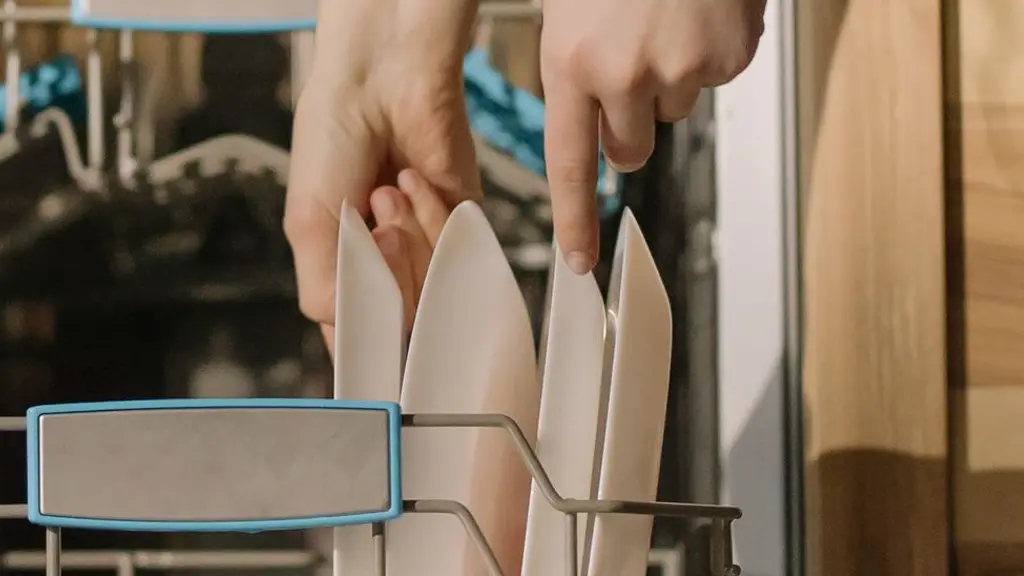
Dishwasher salt and rinse aid are two completely different products, though many people mix them up or only use one. Dishwasher salt softens the water entering the machine through a dedicated ion-exchange reservoir, which matters especially with the UAE’s relatively hard water, while rinse aid improves drying and prevents water spots on glassware. Skipping one means either limescale buildup that shortens the machine’s life, or glasses with white spots even after a full wash.
The quick answer
Dishwasher salt softens the water entering the machine through an ion-exchange reservoir and prevents limescale buildup, while rinse aid works during the final rinse to help water sheet off and dry without spots. The two work in completely different parts of the machine, so one doesn’t make up for the other’s absence. With the UAE’s relatively hard water, most freestanding dishwashers and many countertop units need both for consistent long-term performance.
Key takeaways
- Dishwasher salt feeds an internal ion-exchange reservoir that strips calcium and magnesium salts from the water before it enters the wash cycle (background on water softening from US EPA).
- Rinse aid only works during the final rinse, breaking the surface tension of water so it dries faster and without spots.
- The UAE’s water is relatively hard in many areas, which makes skipping dishwasher salt a common reason for limescale buildup on internal components over time.
- The two reservoirs are entirely separate inside the machine, so filling one in the wrong spot doesn’t do its job and can even damage the appliance.
- Missing salt for a long time doesn’t show up as an obvious problem right away, it shows as a gradual decline in performance and possibly a shorter lifespan for the machine itself.
What’s actually different between the two?
Dishwasher salt isn’t table salt, it’s a special, unrefined salt added to an internal reservoir fitted with resin beads that perform ion exchange: they swap out the calcium and magnesium salts responsible for water hardness for sodium ions, so the water comes out “soft” before it actually enters the wash cycle. This step protects the heating elements and internal pipework from limescale buildup that gradually reduces efficiency and shortens the machine’s life.
Rinse aid is entirely different in function and timing. It’s added to a small, separate reservoir next to the detergent compartment, and it’s released automatically during the final rinse of every cycle. Its job is reducing the surface tension of water so it sheets off dishes and glasses in a thin layer that dries quickly, instead of pooling into droplets that leave white spots once dry, especially on glass.
Salt, rinse aid, or both?
| Product | Function | Where it goes | What happens if you skip it |
|---|---|---|---|
| Dishwasher salt | Softens incoming water via ion exchange | A dedicated internal reservoir at the bottom of the dishwasher | Gradual limescale buildup, weaker performance, shorter machine life |
| Rinse aid | Improves rinsing and drying, prevents spots | A small reservoir next to the detergent compartment | Wet dishes, white spots on glass and glassware |
| Both together | Protects the machine and delivers spot-free drying | Two separate reservoirs, filled independently | Both are necessary in hard-water regions like most of the UAE |
How do you know your dishwasher needs salt?
Most modern freestanding dishwashers, and some countertop units too, come with an internal salt reservoir and an indicator light that turns on when levels run low. If you’re noticing a white residue on dark dishes or inside the wash chamber itself, or your dishwasher is fairly new and hasn’t had salt added since installation, those are signs the reservoir needs filling. Check the manual to find the exact location, since it often differs from the detergent and rinse aid compartments.
Practical steps for filling it correctly
- Locate both reservoirs precisely using the manual, since the salt reservoir is usually at the bottom of the wash chamber and completely separate from the rinse aid compartment.
- Use dishwasher-specific salt only, not regular table salt, since grain size and purity differ.
- Refill rinse aid in its separate reservoir regularly, usually every few weeks depending on how heavily you use the machine.
- Watch the machine’s indicators if it has any, since most modern freestanding dishwashers alert you when either one runs low.
- Never mix the two in the same reservoir, since each one is designed for a completely different job inside the machine.
Is it worth considering a new machine?
If your old dishwasher doesn’t have a salt reservoir at all, or you’re seeing obvious limescale buildup despite regular maintenance, it may be time to look at newer options. Our current pick for the best dishwasher in the UAE, based on specs and buyer reviews, is currently topped by the Midea Countertop Dishwasher (8 place settings, roughly ≈ 1,149 AED), a practical option with no plumbing changes that suits renters and small households in particular.
See the Midea Countertop Dishwasher price on Amazon.ae ↗
Bottom line
Dishwasher salt and rinse aid solve two completely different problems: salt protects the machine from limescale by softening the water, and rinse aid prevents spots and improves drying. With the UAE’s relatively hard water in many areas, both deserve a permanent spot in your maintenance routine. If your specific issue is wet dishes after washing, read why is my dishwasher not drying dishes. If you’re considering a new machine altogether, see the best dishwasher in the UAE and our how to choose a dishwasher guide, or check dishwasher place settings explained to figure out the right capacity. For everything in this category, browse our dishwashers section.
Sources
- US EPA, “Cation exchange water softeners”, background on hard water treatment and the ion-exchange principle dishwasher salt relies on: https://www.epa.gov/watersense/cation-exchange-water-softeners
- Britannica, “Home appliance (dishwashers)”, how a dishwasher works, including its salt and rinse aid reservoirs: https://www.britannica.com/technology/home-appliance
This analysis is based on published information from US EPA (Cation exchange water softeners), Britannica (Home appliance (dishwashers)).
Frequently asked questions
Is dishwasher salt the same as table salt?
No. Dishwasher salt is a special, unrefined salt with larger, purer grains, designed specifically for the ion-exchange reservoir inside the machine. Regular table salt can contain impurities or additives that clog the reservoir or damage the exchange mechanism, so using a product made specifically for dishwashers is the safer choice.
What happens if I don't add salt to my dishwasher?
In the short term you might not notice much difference, but over the long run limescale builds up from the UAE's relatively hard water on the heating elements and internal pipework, gradually reducing efficiency and shortening the machine's life. The problem shows up slowly rather than suddenly, which is why it's easy to overlook.
Does a countertop dishwasher need salt like a freestanding one?
It depends on the specific model. Some countertop units come with an internal salt reservoir just like their freestanding counterparts, while simpler models don't have one at all and rely only on detergent and rinse aid. Check your model's manual to see whether your machine actually needs salt.
Can rinse aid replace dishwasher salt, or the other way around?
No, because each product works at a completely different stage. Salt softens the incoming water before the wash even starts, while rinse aid only works during the final rinse to improve drying and prevent spots. Neglecting one isn't compensated for by using more of the other.