
 Egypt
Egypt  Saudi Arabia
  USA
USA Dishwasher vs Hand Washing: Which Saves Water and Time?
We may earn a commission from purchases through our links, at no extra cost to you. How we choose · Disclosure.
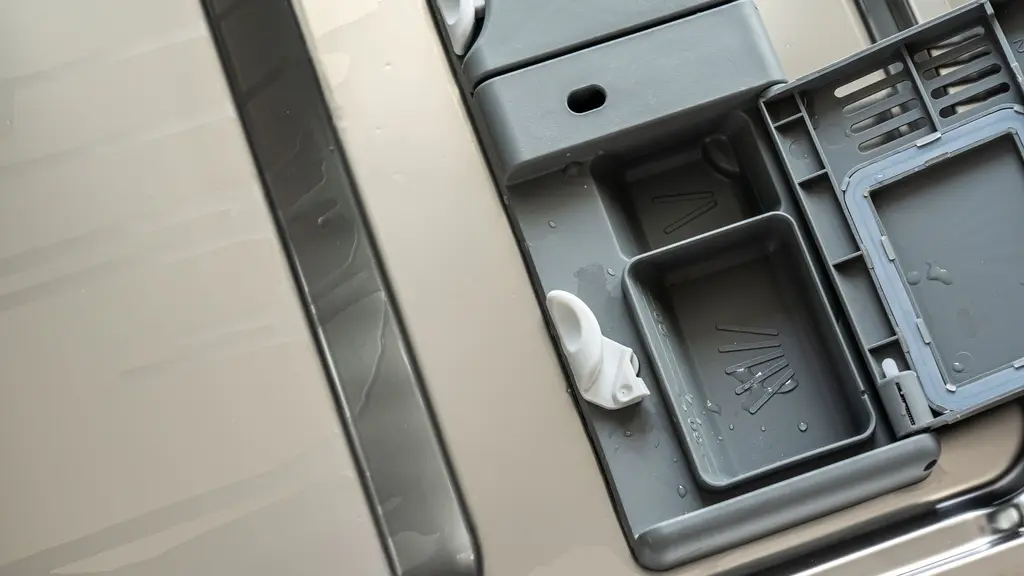
A dishwasher, when run with full loads, typically uses less water than hand washing the same amount of dishes under a running tap, and it genuinely saves time since it doesn’t require you standing at the sink. Hand washing only stays the more sensible choice for a single-person household with very small daily amounts, or for anyone who can’t install a unit at all. The real decision comes down to household size and how often you wash, not which method is universally “better.”
The quick answer
For most households that wash dishes regularly, a dishwasher saves both water and time compared to hand washing under a running tap, as long as it’s run with full loads rather than half-empty ones. The upfront cost of the machine is gradually recovered through water and time savings with regular use. Hand washing remains the more sensible choice only for very small quantities, or for households that can’t currently fit a unit into their kitchen.
Key takeaways
- A full load is the key condition for savings. A half-empty dishwasher uses roughly the same amount of water as a full one, so running it often with small amounts cancels out any advantage over hand washing.
- Hand washing under a continuously running tap uses more water than expected, since the water runs the entire time you’re scrubbing, not just during actual rinsing (general background on how a dishwasher works from Britannica).
- Time is the clearest difference for most people, since a dishwasher runs while you’re free to do other things, unlike hand washing, which requires continuous time standing at the sink.
- The upfront cost of the machine is a real barrier, but it’s spread across years of use, not a cost paid once per wash.
- Hand washing only wins in specific situations: very small daily amounts, no way to install a unit in the current kitchen, or delicate items that can’t go in a dishwasher.
The comparison: water, time, and cost
When comparing water specifically, the real difference isn’t between “dishwasher” and “hand” as abstract concepts, it’s between a full load in the machine and a continuously running tap during hand washing. A dishwasher uses a pre-calculated amount of water per cycle regardless of how full the racks are, while hand washing depends entirely on habit: someone who turns off the tap while scrubbing and only turns it on to rinse uses far less water than someone who leaves it running the whole time.
Time is more clear-cut: loading and starting a dishwasher takes minutes, while fully hand washing a family meal’s worth of dishes can take 15 to 30 minutes a day depending on volume. Over a week, that’s a real difference of hours.
Cost includes the price of the machine itself, electricity per cycle, and rinse aid and salt if needed. These are real costs, but spread across years of use, while hand washing is “free” on the surface but consumes time that has value too.
| Criterion | Dishwasher | Hand washing |
|---|---|---|
| Water use for a full load | Fixed, calculated amount per cycle | Depends on habit, usually more with a tap left running |
| Time and effort | Load and start, just minutes | 15 to 30 minutes standing daily depending on volume |
| Upfront cost | Price of the machine, recovered with regular use | No purchase cost, but ongoing time with no end |
| Heat sanitizing | Higher-heat cycles than a hand can tolerate | Limited to what a person’s hand can withstand |
| Flexibility with large cookware | Needs a suitable rack size | Flexible with any size or shape |
When is a dishwasher actually worth buying?
If your household washes dishes daily for two or more people, and you want your time back instead of standing at the sink after every meal, a dishwasher earns back its upfront cost over the medium term. Even small countertop units, which need no plumbing changes, genuinely solve this problem without a major installation commitment. Our current pick, based on specs and buyer reviews, is the Midea Countertop Dishwasher (8 place settings, roughly ≈ 1,149 AED), a practical option for renters and small households specifically because it connects to a single tap.
See the Midea Countertop Dishwasher price on Amazon.ae ↗
When does hand washing still make sense?
For a single person cooking and eating small amounts daily, or anyone whose current kitchen doesn’t have room for even a countertop unit, hand washing genuinely remains a reasonable choice, especially if the habit is turning off the tap while scrubbing rather than leaving it running the whole time. Some very delicate items also aren’t recommended for a dishwasher at all, so they’ll still need hand washing regardless of whether you own a machine.
Bottom line
For most households washing dishes regularly for more than one person, a dishwasher wins on both water and time, as long as it’s run with full loads. Hand washing only makes sense for very small quantities or when installing a unit in the current kitchen isn’t possible. If you’re leaning toward buying a machine, see the best dishwasher in the UAE and our how to choose a dishwasher guide to understand countertop versus freestanding, or read dishwasher place settings explained to size the right capacity for your household. For everything in this category, browse our dishwashers section.
Sources
- Britannica, “Home appliance (dishwashers)”, general background on how dishwashers work and their water use compared to hand washing: https://www.britannica.com/technology/home-appliance
- US EPA, “WaterSense water conservation”, general background on household water-saving practices: https://www.epa.gov/watersense
This analysis is based on published information from Britannica (Home appliance (dishwashers)), US EPA (WaterSense water conservation).
Frequently asked questions
Does a dishwasher actually save water compared to hand washing?
Yes, as long as it's run with a full load rather than a half-empty one. A dishwasher uses a fixed, calculated amount of water per cycle, while hand washing under a continuously running tap uses more water than most people expect, since the water runs the whole time you're scrubbing, not just when you're actually rinsing.
How much time does a dishwasher actually save?
The difference depends on household size and daily dish volume, but hand washing a full family meal's worth of dishes typically takes 15 to 30 minutes standing at the sink, versus just minutes to load and start a dishwasher. Over a week, that difference adds up to real hours of reclaimed time.
Is a dishwasher worth the cost for a small household or a single person?
Usually not to the same degree as for a bigger family. One person with very small daily amounts may not fill a full load fast enough to justify frequent runs, which is where hand washing still makes more sense. Even so, a single person might find a small countertop unit worthwhile if the priority is saving time rather than water specifically.
Is a dishwasher better for hygiene than hand washing?
A dishwasher typically uses water temperatures higher than a human hand can tolerate, giving it an extra sanitizing edge that regular hand washing doesn't provide to the same degree. That doesn't mean hand washing is unhygienic, but it explains why a dishwasher is sometimes preferred for items that need higher sanitizing, like baby feeding gear.