
 Egypt
Egypt  Saudi Arabia
  USA
USA How Long Does a Dishwasher Last Before You Replace It?
We may earn a commission from purchases through our links, at no extra cost to you. How we choose · Disclosure.
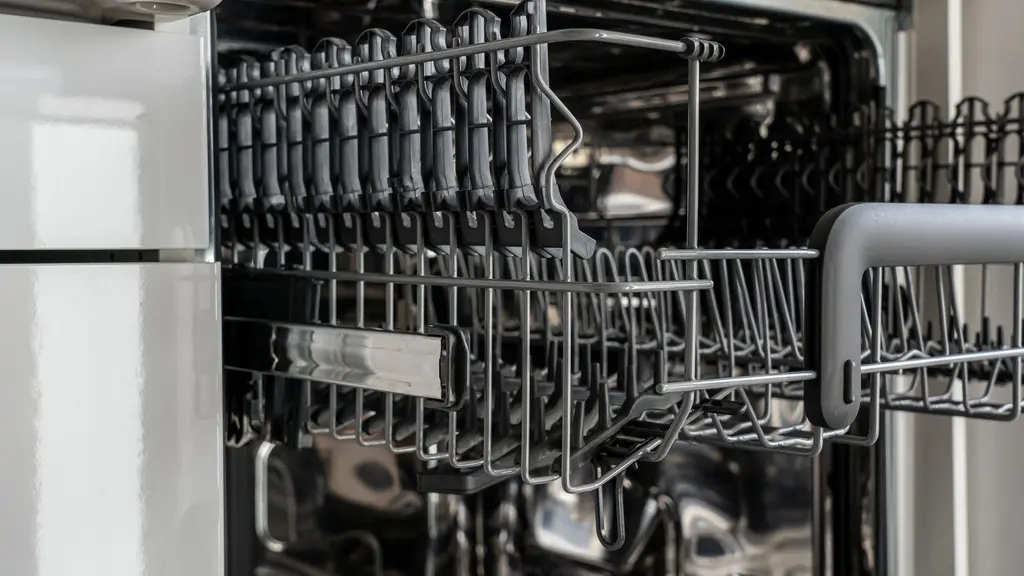
A dishwasher’s lifespan generally runs roughly 8 to 12 years with normal use and maintenance, but that’s an estimated range, not a fixed number. The UAE’s water hardness, how heavily you use the machine daily, and how consistent you are with routine maintenance all push that number up or down noticeably. The more useful practical question isn’t “exactly how many years,” but “when does repairing it stop making sense compared to a new unit?”
The quick answer
Manufacturers estimate a lifespan of roughly 8 to 12 years, but the UAE’s water hardness and heavy use shorten it if routine maintenance is neglected. The practical rule for deciding: a simple fault on a unit under five years old is worth repairing, while a recurring fault on a unit past eight years old gets close to the point where replacing is the better value. Water leaking and a sudden rise in bills are two more signs not to ignore.
Key points
- 8 to 12 years is a common estimated range, not a precise guarantee for every unit or every home.
- The UAE’s hard water speeds up wear on the heating element through cumulative limescale buildup.
- Routine maintenance (a clean filter, a monthly vinegar cycle) noticeably extends the real-world lifespan.
- The practical rule: a repair costing less than half the price of a new unit is usually worth it, especially in the first five years.
- Recurring faults, water leaking, and an unexplained rise in bills are practical signs the unit is nearing replacement.
Why does the lifespan vary in the first place?
A dishwasher relies on mechanical parts that wear down gradually with use: the spray motor, the heating element, and the drain pump (general background on dishwasher parts, from Britannica). Four factors actually determine how fast that wear happens:
- How heavily you use it daily: a unit running twice a day wears faster than one running every other day.
- Your home’s water hardness: the UAE’s hard water deposits limescale on the heating element over time, making it work harder to reach the water temperature it needs and speeding up its wear compared to softer water.
- How consistent your routine maintenance is: cleaning the filter weekly and running a monthly vinegar cycle directly reduce the load on the motor, heating element, and pump.
- The model’s original build quality: models with thinner plastic parts or weaker pumps run into faults earlier regardless of maintenance.
When it’s worth repairing, and when it’s worth replacing
| Unit age | What it means | Best decision |
|---|---|---|
| Under 5 years | Usually a first or second fault | Repairing is worth it in most cases |
| 5 to 8 years | Recurring faults start to appear | Compare the repair cost to half a new unit’s price before deciding |
| Over 8 years with a recurring fault | Cumulative repair cost gets close to a new unit’s price | Replacing is usually the better long-term value |
| Water leaking or a sudden rise in bills | A sign of internal wear regardless of age | Worth considering replacement right away |
The common rule of thumb: if a repair costs less than half the price of a new unit and the same fault hasn’t happened before, repairing is usually the more economical choice. The same fault recurring more than once flips that math quickly.
Practical signs replacement is getting close
Faults that keep recurring after being fixed more than once are the clearest sign, and we cover the full diagnosis for that in dishwasher not working: common causes. Water leaking from underneath the unit is another sign not to ignore, since it usually means internal wear in the seals or pump. An unexplained rise in your electricity or water bill with the same usage pattern points to a heating element working harder than normal because of limescale buildup. And finally, trouble finding spare parts for an older discontinued model makes even a simple repair slower and pricier than it’s worth.
How to actually extend the unit’s lifespan
Simple routine maintenance makes a noticeable difference: hand-cleaning the filter weekly prevents food debris buildup that strains the pump, and a monthly hot white vinegar cycle dissolves limescale before it builds up on the heating element. We cover these steps in detail in how to clean a dishwasher, and if your unit smells despite working normally, that’s often an early sign of buildup worth addressing before it turns into an actual fault, read how to get rid of a bad dishwasher smell.
If you decide to replace it
Once a recurring repair crosses out of the economically sensible zone, the simplest option for most UAE homes right now, especially for renters, is the Midea Countertop Dishwasher, 8 place settings at roughly ≈ 1,149 AED, since it connects to a single kitchen tap with no plumbing changes at all and carries hundreds of positive reviews on Amazon.ae. You’ll find more picks and a full comparison in our guide to the best dishwasher in the UAE.
See the Midea Countertop Dishwasher price on Amazon.ae ↗
Bottom line
A dishwasher generally lasts roughly 8 to 12 years, but the UAE’s water hardness and how consistent your maintenance is clearly move that number. A simple fault on a unit under five years old is worth repairing, while a recurring fault on a unit past eight years old gets close to the replacement point. Simple routine maintenance, a clean filter and a monthly vinegar cycle, pushes that point back noticeably. For the full buying criteria before you get a new unit, check how to choose a dishwasher or browse the full dishwashers section.
Sources
- Britannica, “Home appliance (dishwashers)”,” general background on dishwasher parts and how they work: https://www.britannica.com/technology/home-appliance
This analysis is based on published information from Britannica (Home appliance (dishwashers)).
Frequently asked questions
How many years does a dishwasher typically last?
Manufacturers generally estimate a lifespan of roughly 8 to 12 years with normal use and maintenance. That's an estimated range, not a fixed number, since the actual lifespan shifts depending on how heavily you use it daily, your home's water hardness, and how consistently you keep up with routine maintenance like cleaning the filter and removing limescale.
Does the UAE's water hardness actually shorten a dishwasher's lifespan?
Yes, noticeably. Limescale from hard water gradually builds up on the heating element and inside the pipes, making the unit work harder to reach the water temperature it needs, which speeds up wear on the element compared to a softer-water environment. Regular maintenance with vinegar or a descaler product clearly reduces this effect.
When should I decide to repair rather than replace?
A common rule of thumb is that a repair is worth it if it costs less than half the price of a new unit and the same fault hasn't happened before. A simple fault on a unit under five years old is usually worth repairing, while a second or third fault on a unit past eight years old gets close to the point where replacing becomes the better value long-term.
What are the signs it's time to replace rather than repair?
Faults that keep recurring after being fixed more than once, water leaking from underneath the unit, an unexplained rise in your electricity or water bill with the same usage pattern, or trouble finding spare parts for an older discontinued model, are all practical signs that a new unit will save you more than another repair.
Does regular maintenance actually extend a dishwasher's lifespan?
Yes, directly. Cleaning the filter weekly and preventing limescale buildup with a monthly vinegar cycle both reduce the load on the motor, heating element, and pump, the parts whose wear eventually leads to a fault serious enough to consider replacement over repair.