
 Egypt
Egypt  Saudi Arabia
  USA
USA How to Clean and Maintain a Vacuum Cleaner
We may earn a commission from purchases through our links, at no extra cost to you. How we choose · Disclosure.
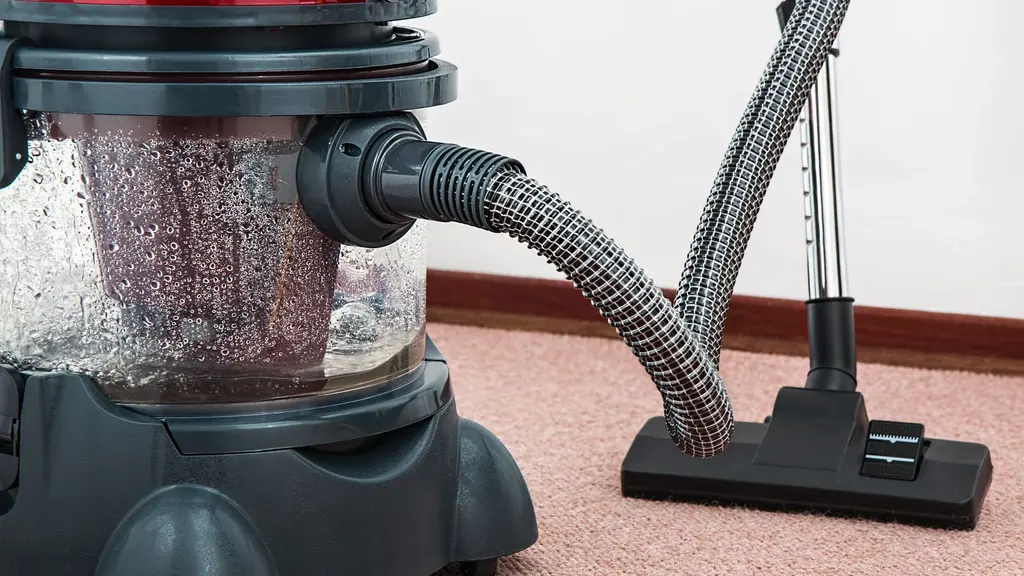
Empty the bin or bag after nearly every use, wash or tap out the reusable filter and make sure it’s completely dry before reinserting it, remove any hair and thread wrapped around the brush roll, and wipe the exterior while checking the hose for blockages. Repeating that last step every one to two weeks keeps suction strong and stops dust or odor from blowing back into the room.
The quick answer
Empty the dust bin or bag regularly, wash or tap out the filter and let it dry completely before reinserting it, and clean the brush roll of hair and thread. Those three steps alone prevent most cases of suction loss and bad odors. A HEPA filter loses efficiency over time even if it’s washable, so a replacement filter matched to your model is a practical tool once it’s time to swap it.
Key takeaways
- A full bin or bag is the number one cause of suction loss, because air no longer flows freely through the path.
- A dirty or clogged filter chokes airflow the same way a full bin does, and the fix is cleaning or replacing it depending on the type (background on HEPA filters, from US EPA).
- Hair and thread wrapped around the brush roll obstruct its spin, noticeably reducing how well it picks up debris from carpet.
- Leftover moisture after washing a part is the most common cause of bad odor, so never reinsert a part unless it’s completely dry.
Why a vacuum loses suction over time
A vacuum cleaner works by pulling air through a set path: air enters through the nozzle carrying dust and debris, passes through the bin or bag where the debris settles, then passes through a filter that traps fine particles before clean air exits near the motor. Any blockage anywhere along that path, a full bin, a dirty filter, a blocked hose, or an obstructed brush roll, reduces airflow and shows up as a noticeable drop in suction, even when the motor itself is completely fine.
Basic cleaning steps
- Unplug the vacuum before any cleaning step.
- Empty the dust bin or replace the bag once it’s roughly two-thirds full, don’t wait until it’s completely full.
- Check the hose for blockages, remove any foreign object or hair tangle with a thin rod or from either end.
- Remove hair and thread wrapped around the brush roll with small scissors or a dedicated tool, unplugging the unit first for safety.
- Clean the filter according to its type (details in the next section).
- Wipe the exterior with a lightly damp cloth, and never spray water directly onto electrical parts.
What to clean, and how often
| Part | How often | How |
|---|---|---|
| Dust bin or bag | After every use, or once two-thirds full | Direct emptying or bag replacement |
| Filter | Monthly, more often with pets in the house | Tap out or wash depending on type, then dry fully |
| Brush roll | Weekly with pets or long hair | Manually remove wrapped hair |
| Hose | When you notice weaker suction | Check and clear any blockage |
| Exterior | As needed | Wipe with a lightly damp cloth |
Filter care (HEPA)
The most important and most neglected step is the air filter, especially the HEPA filter in vacuums that rely on it to trap fine particles. If your filter is washable, rinse it with cold water only, no soap or detergent, shake off excess water, then let it air-dry naturally in a well-ventilated spot for at least 24 hours before reinserting it. Reinserting a damp filter is the most common cause of a musty smell that’s hard to get rid of afterward.
Over time, even washable filters lose their ability to trap particles after a number of wash cycles, and there’s no alternative at that point but to replace it. Once your filter reaches that stage, a replacement HEPA filter matched to your model’s exact specs is the practical fix, and it’s a relatively cheap addition compared to its effect on the vacuum’s overall performance.
Signs your vacuum needs maintenance now
- Noticeably weaker suction than usual on the same floor type.
- Dust or fine particles blowing back into the room instead of being trapped inside the vacuum.
- An unpleasant smell during use, especially the first run after a period of not being used.
- Louder noise than usual or unusual vibration when the brush roll spins.
A vacuum that’s easy to maintain from the start
Part of a low-friction maintenance routine starts with the vacuum you pick in the first place. Our top pick, the Philips 5000 Series FC9570/62, has a straightforward bagless design that makes emptying the bin and visually checking the filter’s condition easy, which cuts down your daily friction with upkeep compared to models that require opening multiple parts. See its full details in our guide to the best vacuum cleaner in the UAE.
See the Philips FC9570/62 price on Amazon.ae ↗
When to stop and call a technician
- Suction stays weak after the bin, filter, hose, and brush roll are cleaned.
- Dust or fine particles still blow back into the room after filter maintenance.
- An unpleasant smell remains after every washed part has dried for at least 24 hours.
- Loud noise or unusual vibration remains after hair and thread are cleared from the brush roll.
Stop using the vacuum cleaner and have it checked by a qualified technician before using it again.
Bottom line
Vacuum maintenance isn’t complicated, but neglecting it is the biggest reason behind suction loss and bad odors. Empty the bin regularly, wash or tap out the filter and let it dry completely before reinserting it, clean the brush roll of hair on a regular basis, and replace the filter once you notice a clear drop in its efficiency despite cleaning. If you’re considering a cordless stick alongside your current vacuum, see cordless vacuum battery life to know when it needs charging or extra upkeep. If your home is in a sandy or coastal area, read how to get sand out of carpet for complementary steps. And if you’re still choosing a vacuum or thinking about the right size, see our guide to choosing a vacuum and browse the full lineup at vacuum cleaners in the UAE.
Sources
- Britannica, “Vacuum cleaner”, general background on how a vacuum cleaner works and the airflow path through the bin, filter, and motor: https://www.britannica.com/technology/vacuum-cleaner
- US EPA, “What is a HEPA filter”, background on HEPA filters, their efficiency at trapping fine particles, and their limited service life: https://www.epa.gov/indoor-air-quality-iaq/what-hepa-filter
This analysis is based on published information from Britannica (Vacuum cleaner), US EPA (What is a HEPA filter).
Frequently asked questions
How often should I clean my vacuum cleaner?
Empty the bin or bag after every use, or once it's roughly two-thirds full, clean the brush roll of hair and thread weekly if you have pets or long hair in the house, and check the filter monthly. A full deep clean every one to two months keeps suction strong and prevents odor buildup.
Can I wash a HEPA filter with water?
Some HEPA filters are washable, others are designed for replacement only and can't handle water at all. Check your model's manual first. If your filter is washable, rinse it with cold water only, no soap, and let it dry completely for at least 24 hours before reinserting it, since leftover moisture causes a musty smell and weakens its filtering efficiency.
Why did my vacuum suddenly lose suction?
The most common causes, in order: a full bin or bag that needs emptying, a dirty or clogged filter that needs cleaning or washing, a hose blocked by a foreign object or a tangle of hair, or a brush roll wrapped in hair and thread that's obstructing its spin. Check these four before assuming a motor fault.
Why does my vacuum cleaner smell bad?
A bad smell usually comes from dust and organic debris built up inside the bag or filter, or leftover moisture from washing that hasn't fully dried. Empty the bin or bag regularly, wash any washable parts and dry them completely, and never reinsert a part that's still damp.
Do I need to replace my vacuum's filter eventually?
Yes, even washable filters lose their efficiency after a number of wash cycles and eventually need replacing. Check your manufacturer's manual for the suggested interval, and pick a replacement filter matched specifically to your model's specs.