
 Egypt
Egypt  Saudi Arabia
  USA
USA How to Clean a Steam Iron Soleplate: Step by Step
We may earn a commission from purchases through our links, at no extra cost to you. How we choose · Disclosure.
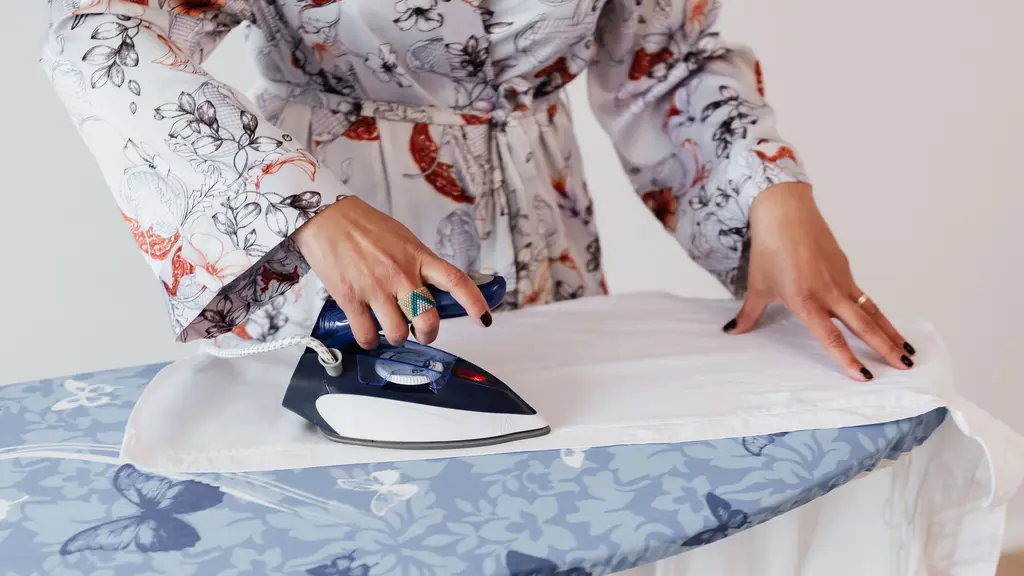
A scorched or starch-caked steam iron soleplate needs cleaning by material: a baking soda and water paste for stubborn scorch marks on most soleplates, diluted white vinegar for light stains, and steel wool or abrasives ruled out entirely regardless of the material, since they scratch the surface and make fabric stick worse afterward instead of better. A clean soleplate glides smoothly and won’t transfer marks onto clean clothes.
Never mix vinegar with bleach or any chlorine-based cleaner - the combination releases toxic gases. Use one cleaner at a time and rinse thoroughly between products.
The quick answer
Clean a steam iron soleplate with a baking soda and water paste on the cooled surface, worked in gently with a soft cloth, then wiped with a clean damp cloth. Diluted white vinegar works well for light stains. Stay away entirely from steel wool and rough sponges, since both scratch any soleplate and make fabric stick more afterward. Check your iron’s manual first if the soleplate has a thin non-stick coating, since some manufacturers specifically warn against vinegar on it.
Key takeaways
- The soleplate material determines the safe cleaning method. Stainless steel and ceramic tolerate baking soda and vinegar better, while a thin non-stick coating is more sensitive to acidity and hard scrubbing.
- Steel wool is off-limits entirely on any soleplate, because scratching creates a rough surface that catches fabric instead of gliding over it (clothes iron background from Britannica).
- Baking soda is the safest, most effective tool for stubborn scorch marks and stuck-on residue, with no scratching the way abrasives cause (sodium bicarbonate background from Britannica).
- Always clean once the iron has cooled, since a hot soleplate can react unpredictably with some cleaners and creates a burn risk.
- A quick wipe after every use prevents buildup in the first place, saving you a tiring deep clean later.
Why does an iron soleplate stick or scorch?
A soleplate sticks or scorches when it’s left with residue from a previous session: starch from ironing spray, synthetic fibers that melted because the heat was too high for that fabric, or dust and lint that built up over time. This residue clings to the soleplate’s surface and creates rough spots, so instead of gliding smoothly over fabric, the soleplate drags or catches on it, and can transfer that same residue as a dark mark onto the next clean garment. The problem compounds with every additional use if the soleplate isn’t cleaned, because new residue sticks on top of the old.
Cleaning steps by soleplate material
Soleplate material varies from iron to iron: stainless steel, ceramic, or an advanced non-stick coating like Durilium on some Tefal irons. The most common type (stainless steel or ceramic) safely handles this cleaning process:
- Unplug the iron and let it cool completely. Never clean a hot soleplate.
- Make a paste of baking soda and a little water, a bit thicker than watery.
- Apply the paste to scorched or sticky spots and work it in with a soft cloth or non-abrasive sponge in gentle circular motions.
- Wipe the soleplate with a clean, damp cloth to remove all paste residue.
- Dry the soleplate thoroughly before storing or using it again, since leftover moisture can cause rust on metal soleplates.
For light stains or surface scale, diluted white vinegar in equal parts water on a cloth is a good alternative to baking soda, but check your iron’s manual first if the soleplate has a thin non-stick coating.
Do and don’t: the safe cleaning table
| Situation | Do | Don’t |
|---|---|---|
| Stubborn scorch or stuck-on residue | Baking soda paste with gentle scrubbing | Hard scrubbing or scraping with a metal tool |
| Light stains or surface scale | Diluted white vinegar in water | Undiluted vinegar on a non-stick coating |
| Tool to use | Soft cloth or non-abrasive sponge | Steel wool or a rough sponge |
| Timing | Once the iron has fully cooled | Cleaning while the soleplate is still hot |
| After cleaning | Dry it completely before storing | Storing the soleplate damp |
The golden rule: any scratch on the soleplate makes it catch fabric more instead of gliding over it, so gentle cleaning isn’t a cosmetic choice, it’s what keeps the iron performing the way it should.
Do you need a dedicated soleplate cleaner?
The baking soda or vinegar method above handles most household scorch and stick cases without buying anything extra. A dedicated soleplate cleaner, usually a stick or paste, is a practical option if the scorch is unusually stubborn or you’d rather use a ready-made product than mix a paste yourself, since it’s designed to be applied to a slightly warm soleplate per its instructions to dissolve residue faster. It’s a convenience add-on though, not a necessity for most homes that already clean regularly.
An iron with a soleplate worth maintaining
If you’re shopping for a new iron with a reliable soleplate worth this kind of care, our top pick, the Philips Steam Iron 3000 Series (2600W, 40g/min), carries hundreds of positive reviews on Amazon.ae, and a strong element that holds a steady temperature through a full ironing session, which reduces the scorching that comes from heat swings. We didn’t pick it for being the cheapest, we picked it because the balance of power and price makes sense, which is why it tops our guide to the best steam iron in the UAE. Its current price and the Amazon.ae link are in the card below.
When to stop and call a technician
- Scorch marks or stuck-on residue remain after the material-safe cleaning steps.
- The soleplate is visibly scratched or its non-stick coating is damaged.
- The soleplate still sticks to fabric or transfers marks after it is cleaned and dried completely.
Stop using the steam iron and have it checked by a qualified technician before using it again.
Bottom line
A clean steam iron soleplate glides smoothly and won’t transfer marks onto your clothes. A baking soda paste handles most scorch and stick issues, diluted vinegar covers light stains, and steel wool is off-limits regardless of the soleplate material. Always clean once the iron has cooled, and wipe it quickly after every use to prevent buildup in the first place. If your iron is also leaking water, see steam iron leaking water, and for the right water that cuts down scale in the first place, read what water to use in a steam iron. For the full buying criteria, see how to choose a steam iron. For everything in this category in one place, browse the steam irons section.
Sources
- Britannica, “Iron pressing”, background on the steam iron and soleplate design: https://www.britannica.com/technology/iron-pressing
- Britannica, “Sodium bicarbonate”, background on baking soda and its use as a gentle, non-abrasive cleaner: https://www.britannica.com/science/sodium-bicarbonate
This analysis is based on published information from Britannica (Iron pressing), Britannica (Sodium bicarbonate).
Frequently asked questions
How do I clean a scorched or starch-caked iron soleplate?
Make a paste of baking soda and a little water, apply it to the cooled soleplate, work it in with a soft cloth or non-abrasive sponge in gentle circles, then wipe with a clean damp cloth. For stubborn stuck-on residue, coarse salt on an old cotton cloth, with the iron only slightly warm, loosens the buildup before wiping. Never use steel wool, whatever the soleplate material.
Can I use vinegar to clean an iron soleplate?
Yes on most soleplates, diluted white vinegar in equal parts water on a cloth, but avoid it on a thin non-stick coating if your iron's manual specifically warns against it. Vinegar handles light stains and surface scale well; a deep scorch mark needs a baking soda paste or a dedicated soleplate cleaner instead.
Why does an iron soleplate stick to fabric while ironing?
Usually because starch residue or melted synthetic fibers from a previous session, ironed at too high a heat for that fabric, have stuck to the soleplate. A sticky soleplate drags on fabric instead of gliding, and can leave a shiny mark or scorch the cloth. Cleaning it regularly before residue builds up prevents this from starting.
Is steel wool safe to use on an iron soleplate?
No, never, regardless of the soleplate material. Steel wool and rough sponges scratch any soleplate, whether it's stainless steel, ceramic, or non-stick coated, and that scratch creates a rough surface that catches fabric even more than it did before you cleaned it. Always use a soft cloth or a non-abrasive sponge.
How often should I clean a steam iron soleplate?
A quick wipe with a damp cloth after every use prevents fresh residue from building up. A deeper clean with a baking soda paste or dedicated cleaner once every month or two is enough for most homes, more often if you regularly iron starchy or synthetic fabric.