
 Egypt
Egypt  Saudi Arabia
  USA
USA Steam Iron Leaking Water: Causes and the Real Fix
We may earn a commission from purchases through our links, at no extra cost to you. How we choose · Disclosure.
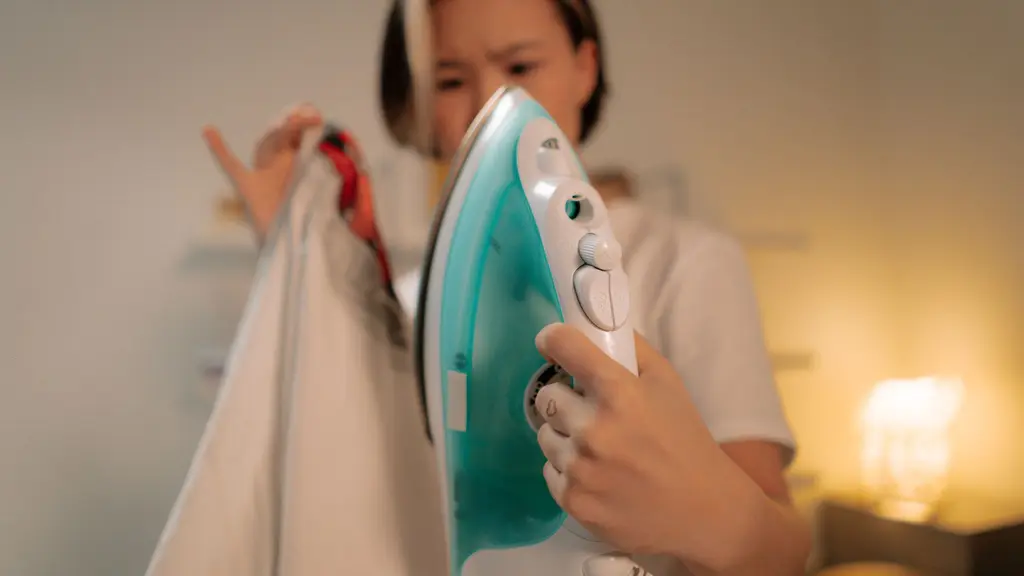
A steam iron that leaks water while you’re ironing usually comes down to one of three causes: mineral scale clogging the steam vents so water pools instead of turning to steam, a heat setting that’s too low to fully heat the water, or tap water instead of distilled water speeding up mineral build-up. The immediate fix: empty the tank, turn the heat up to the right setting for your fabric, and start using distilled or demineralized water from now on.
The quick answer
A steam iron leaks water mainly because of mineral scale inside the steam vents, a heat setting too low to fully convert the water to steam, or tap water instead of distilled water. Empty the tank and refill with distilled water, set the heat to the right level for your fabric, and if the leak continues after that, the iron likely needs a descale, or has a failing internal part worth thinking about replacing.
Key takeaways
- Low heat is the most common cause. A steam iron needs enough heat to fully convert water to steam before it exits the soleplate; if the heat is set for delicate fabric while the steam button is pressed, water comes out as liquid instead of vapor (clothes iron background from Britannica).
- Mineral scale clogs the fine steam vents, so water pools behind them until it leaks suddenly or drips unevenly from the soleplate (limescale background from USGS).
- Tap water speeds up scale build-up compared to distilled or demineralized water, especially in buildings where storage tanks and pipework add minerals back in.
- Overfilling the tank past the max line can push water out through openings that were never meant to drain it.
- An old or very cheap iron with worn seals can leak even with correct water and heat, and the fix there is replacement, not an internal repair.
Why does a steam iron leak water in the first place?
A steam iron works on a simple principle: a heating element heats water inside a small chamber until it turns to steam, which then exits through vents in the soleplate. The problem starts when that conversion doesn’t finish. If the heat is set too low, as often happens with delicate fabric like silk or chiffon, the water doesn’t get hot enough to fully vaporize, so some of it exits as liquid through the same vents. Some higher-end irons have an anti-drip valve that holds water back at low temperatures, but basic models often skip that feature, so leaking at low heat is genuinely expected behavior, not a fault.
The second cause runs deeper: mineral scale. With every use, dissolved minerals in the water leave tiny deposits inside the narrow steam vents. Over time these deposits build up and narrow the channels, so water pools behind them instead of passing through smoothly, then exits all at once as a leak or an uneven drip. Tap water, which carries more minerals than distilled water, speeds this build-up up noticeably.
Causes and fixes at a glance
| Cause | What you’ll notice | Fix |
|---|---|---|
| Heat set too low | Water drips as soon as the steam button is pressed, even on a low setting | Raise the heat to the level suited to your fabric before using steam |
| Mineral scale in the steam vents | Intermittent leaking that gets worse over time, maybe white spots on fabric | Descale regularly with the self-clean cycle or a suitable solution |
| Tap water instead of distilled water | Leaking worsens quickly despite light use | Switch to distilled or demineralized water now |
| Tank overfilled past the max line | Dripping from the tank edges or around the fill cap | Never fill past the max-fill line printed inside the tank |
| Worn valves or seals (older iron) | Leaking continues even with correct water and heat | Consider replacing it if the iron is past its expected lifespan |
Steps to stop the leak now
- Unplug the iron and let it cool, then empty the water tank completely.
- Check your water: if you’re running tap water, switch to distilled or demineralized water.
- Set the heat dial to the level suited to the fabric you’re ironing, and don’t press the steam button before the ready light comes on.
- Refill the tank only up to the max-fill line, no higher.
- Try ironing again. If it still leaks, move on to descaling in the next step.
When does a steam iron need descaling?
If the leak continues after correcting the water and heat, built-up scale is the next likely cause. The core fix costs almost nothing: most modern steam irons have a self-clean button or cycle, you fill the tank with water (distilled if you have it), heat the iron fully, then press the button and tilt it horizontally over a sink or old cloth while hot water and steam flush through the vents and carry the scale out. Check your iron’s manual before trying vinegar in the tank, since some manufacturers warn its acidity can damage internal seals with repeated use.
A dedicated iron descaling solution (liquid or tablets) is a practical option if the leak keeps coming back quickly or you’d rather not deal with vinegar in the tank, since it’s built for exactly this job. It’s a convenience add-on though, not a necessity: distilled water and a self-clean cycle every month or two are enough to keep most households ahead of the problem entirely.
An iron that doesn’t leak in the first place
If you’ve tried everything above and the leak persists, or you’re already shopping for a new iron instead of fixing the old one, our top pick, the Philips Steam Iron 3000 Series (2600W, 40g/min), carries hundreds of positive reviews on Amazon.ae, and a strong heating element that holds its temperature through a full ironing session, which directly reduces the low-heat problem behind most leaks. We didn’t pick it for being the cheapest, we picked it because the balance of power and price makes sense, which is why it tops our guide to the best steam iron in the UAE. Its current price and the Amazon.ae link are in the card below.
Bottom line
A leaking steam iron is fixable in most cases: get the water right first (distilled, not tap), set the correct heat before using steam, and never fill the tank past the max line. If leaking continues, a simple descale through the self-clean cycle usually clears it. If it keeps happening after all that, a worn internal part is likely, and replacing the iron beats repairing it. If you’re buying water for your iron, see what water to use in a steam iron, and for a clean soleplate that won’t scorch fabric, see how to clean a steam iron soleplate. If you’re still torn between an iron and a garment steamer, see steam iron vs garment steamer, and for the full buying criteria read how to choose a steam iron. For everything in this category in one place, browse the steam irons section.
Sources
- Britannica, “Iron pressing”, background on the steam iron and how heating elements convert water into steam: https://www.britannica.com/technology/iron-pressing
- USGS, “Hardness of water”, background on mineral scale formed from water minerals and how it builds up inside household appliances: https://www.usgs.gov/water-science-school/science/hardness-water
This analysis is based on published information from Britannica (Iron pressing), USGS (Hardness of water).
Frequently asked questions
Why is my steam iron leaking water while I'm ironing?
Usually one of three reasons: the heat setting is too low for the water to fully turn to steam before it exits, mineral scale has clogged the fine steam vents so water pools behind them until it leaks, or you're running tap water instead of distilled water so scale builds up faster than normal. An overfilled tank can make the problem worse too.
Does using tap water cause a steam iron to leak?
Indirectly, yes. Tap water carries more minerals than distilled or demineralized water, and those minerals deposit inside the fine steam vents over time, partially clogging them. A partially blocked vent doesn't release steam smoothly, so water pools behind it and then leaks or spits instead of turning into an even stream of steam. Switching to distilled water now slows this build-up a lot.
How do I descale a steam iron myself?
Most modern irons have a self-clean button or cycle: fill the tank with water (distilled if possible), heat the iron fully, then press the button and tilt it over a sink or old cloth while hot water and steam flush through the vents and carry the scale out with them. Check your iron's manual before trying vinegar in the tank, since some manufacturers warn that its acidity can damage internal seals with repeated use.
Does overfilling the water tank cause leaking?
Yes. Every steam iron has a max-fill line printed inside the tank for a reason: going past it pushes water out through openings that were never designed to drain it, so you see leaking around the tank edges or the fill cap rather than the soleplate itself. Check the water level first before assuming a bigger fault.
When should I replace a steam iron instead of trying to fix a leak?
If you've tried distilled water, the correct heat setting, and a full descale and it still leaks, the cause is most likely a worn internal valve or seal, which is common on older or very cheap irons after years of use. At that point, replacing it is cheaper and more reliable than an internal repair, especially with a solid iron available at a reasonable price already.