
 Egypt
Egypt  Saudi Arabia
  USA
USA Should You Leave a Water Heater On All Day?
We may earn a commission from purchases through our links, at no extra cost to you. How we choose · Disclosure.
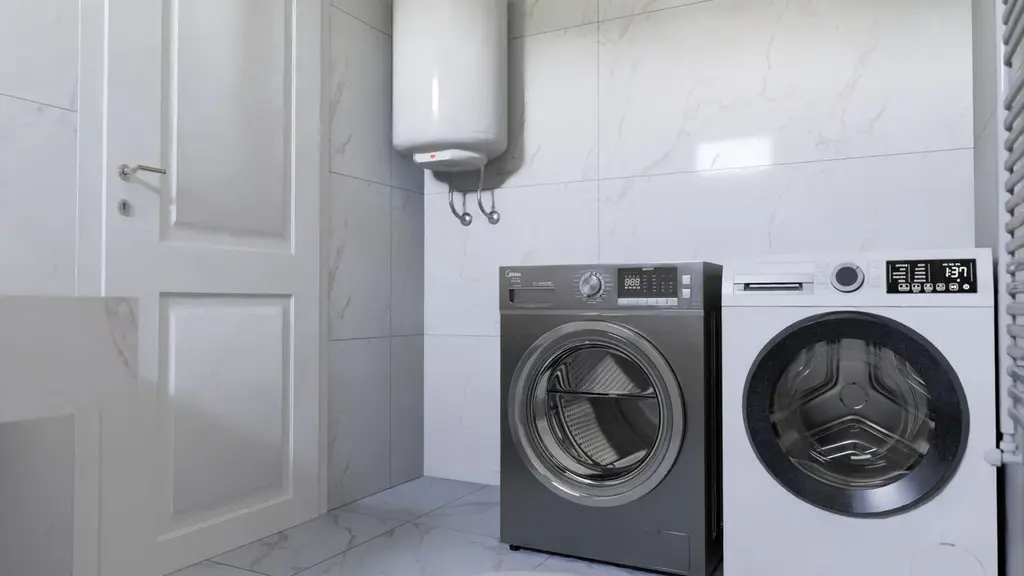
No, leaving a water heater running all day isn’t the most efficient choice for most homes, because the tank gradually loses heat even with good insulation, so it reheats itself periodically whether you’re actually using hot water or not. But manually switching it off and back on every time isn’t automatically better either, since reheating a fully cold tank draws a bigger burst of power than topping up one that’s still warm. The practical middle ground is a timer switch that only runs it during the hours you actually use hot water.
The quick answer
Leaving a storage water heater running around the clock uses extra electricity because of gradual standby heat loss from the tank, even with good insulation, but it isn’t inherently unsafe if the unit is sound and its thermostat works properly. Manually switching it off and on only saves electricity if you actually stick to it consistently, otherwise you risk cold water when you need it or a bigger power draw when reheating from scratch. The simplest, balanced fix is a timer switch that runs the heater automatically only during your usual hours of use.
Key takeaways
- A storage water heater gradually loses heat even with good insulation, known as standby loss, so leaving it running 24 hours a day means repeated, pointless reheating during hours when you aren’t using hot water at all (general background on water heating and tank heat loss from ENERGY STAR).
- Switching the heater off and back on manually every time isn’t necessarily cheaper, since reheating a fully cold tank from scratch draws a bigger burst of power than maintaining one that’s still warm.
- Tankless instant water heaters don’t face this dilemma at all, since they only heat water on demand with no standby heat loss, a difference covered in instant vs storage water heater.
- Leaving a sound heater running continuously isn’t unsafe in itself; the real risks come from faulty wiring or a failing safety valve, not the habit of continuous operation.
- The practical middle ground is a timer switch fitted to the heater’s circuit that runs it only during set hours, cutting standby loss without you needing to remember to switch it on and off manually every day.
Why leaving it on all day uses extra electricity
A storage water heater keeps a supply of hot water ready inside an insulated tank, but no amount of insulation stops heat loss entirely, it only slows it down. As the hours pass, the water temperature gradually drops, the thermostat senses the difference, and the heating element switches back on to bring it back up to the set temperature, whether or not you’re using water at that moment. That repeated reheating during hours when there’s no real need for hot water, like while you’re asleep or out of the house for a stretch, is the basis of the extra consumption when a heater is left running all day.
Is switching it off and on manually actually better?
Not automatically. Once a tank has fully cooled down after a long switch-off, reheating it from room temperature back up to usable temperature draws a bigger burst of power all at once than simply topping up a small, gradual loss in a tank that’s still warm. On top of that, plenty of people forget to switch the heater on early enough, and end up with lukewarm or cold water partway through getting ready for a shower. The real benefit of manual switching only shows up with genuinely consistent daily timing, and that’s hard to keep up over the long run.
Instant water heaters skip this dilemma entirely
If you’re still comparing types in the first place, it’s worth knowing that instant water heaters don’t raise this question at all, since they heat water only as it passes through when you open the tap, with no tank holding ready hot water that loses heat while standing by. That means zero heat loss between uses, at the cost of a more limited hot water flow rate at any one moment compared to a full tank. The practical differences between the two, and when each is the better fit for your home, are covered in detail in instant vs storage water heater.
Is it unsafe to leave a water heater running all day?
Not in itself. A properly designed water heater, installed with correct electrical wiring, with a thermostat and safety valve working as they should, isn’t exposed to extra risk simply from staying connected to power continuously. The real risks in this appliance category come from installation faults, an aging unit, or neglected maintenance, not the habit of leaving it running. If you’re reconsidering your heater because of this worry, the more important question is the condition and age of the unit itself, not just its hours of operation.
The practical fix: a timer switch instead of manual switching
Instead of choosing between continuous operation and a manual off-and-on routine that relies on your memory every day, the more practical fix is a timer switch fitted to the heater’s electrical circuit that sets its running hours automatically, usually covering your household’s typical shower times with a small margin beforehand so the water is already warm. This cuts heat loss during sleeping hours or a long stretch away from home, without the risk of cold water when you get back or needing to remember anything manually each day. If you’re reviewing your heater anyway, it’s also a good moment to check that the tank itself is in good shape and properly insulated, and a solid example of a reliable tank we recommend is the Ariston Pro-R 80L Horizontal, the top pick in our guide to the best water heater in the UAE.
See the Ariston Pro-R 80L Horizontal price on Amazon.ae ↗
Quick comparison: continuous, manual, or timer?
| Method | Electricity use | Effort required | Notes |
|---|---|---|---|
| Continuous 24-hour operation | Highest, due to repeated heat loss | None to remember | Only sound if hot water use is genuinely spread across the whole day |
| Manual off and on | Depends entirely on timing discipline | Requires daily remembering | Risk of forgetting to switch on in time, or reheating a fully cold tank |
| Timer switch | Lower use with less daily effort | One-time setup, then automatic | The balanced fix for most UAE homes |
Bottom line
Leaving a water heater running all day isn’t the most efficient choice electricity-wise, because of gradual heat loss, but it also isn’t inherently unsafe if the unit is sound. Manually switching it off and on only genuinely saves money with real daily discipline, otherwise you can lose more than you save. The most practical fix for most households is a timer switch that sets running hours automatically. If you’re still comparing water heater types in the first place, read instant vs storage water heater and what size water heater do you need, and see our how to choose a water heater guide for the full buying criteria. For everything in this category, browse our water heaters section.
Sources
- ENERGY STAR, “Residential water heater types”, general background on domestic water heating and gradual heat loss from insulated storage tanks: https://www.energystar.gov/products/water_heaters/residential_water_heaters_key_product_criteria
This analysis is based on published information from ENERGY STAR (Residential water heater types).
Frequently asked questions
Does leaving a water heater on all day raise your electricity bill?
Yes, usually, because a hot water tank gradually loses heat even with good insulation, so it reheats itself periodically regardless of whether you're actually using hot water. The longer it runs without real use, the bigger that gradual loss shows up on your bill.
Is manually switching the heater off and on each time cheaper than leaving it running?
Not necessarily. Reheating a fully cold tank from scratch draws a bigger burst of power than topping up a tank that's still warm, and if you forget to switch it on early enough, you'll be waiting for cold water. The real benefit only shows up with genuinely consistent daily timing.
Does an instant water heater avoid this problem entirely?
Yes, because it only heats water on demand with no tank that loses heat while standing by, so the question of leaving it on all day doesn't really apply. The practical differences between the two types are covered in [instant vs storage water heater](/en-ae/blog/instant-vs-storage-water-heater/).
Is it unsafe to leave a water heater running all day?
Not in itself, as long as the unit is sound and its thermostat and safety valve are working properly. The real risks come from faulty electrical wiring or a fault in the unit itself, not the habit of leaving it connected to power continuously.
What's the simplest fix to cut consumption without forgetting to switch the heater on?
A timer switch fitted to the heater's circuit that turns it on automatically only during set hours, usually shortly before your household's usual shower times. This cuts heat loss during sleeping hours or when you're out of the house, without you needing to remember anything manually.