
 Egypt
Egypt  Saudi Arabia
  USA
USA Washing Machine Smells Bad? Here's Why and How to Fix It
We may earn a commission from purchases through our links, at no extra cost to you. How we choose · Disclosure.
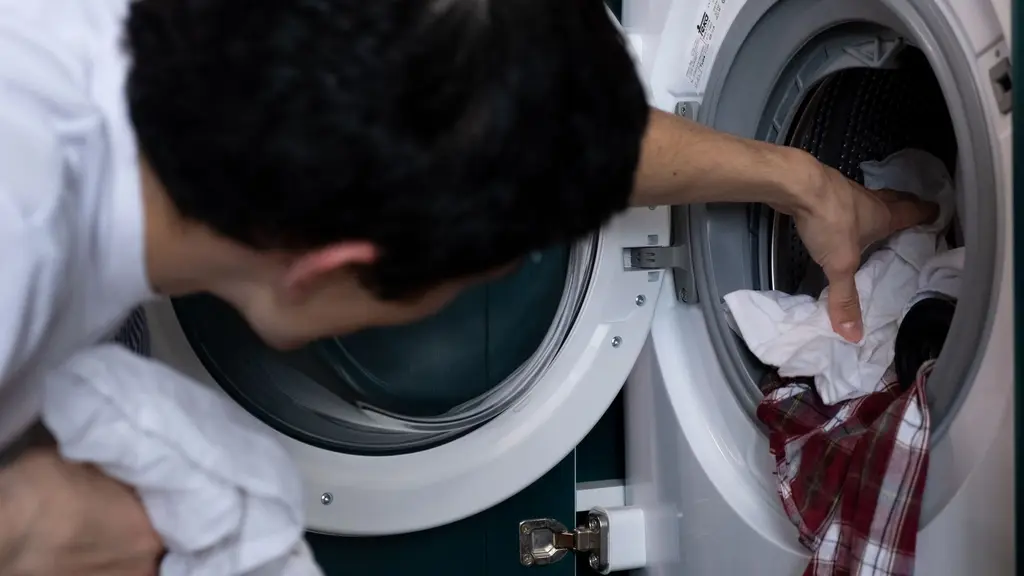
If your washing machine has started giving off a bad smell, or leaving a faint odor on clothes after a wash, the cause is usually not a mechanical fault. It’s leftover detergent residue and moisture building up in spots you don’t normally inspect: the door gasket, the detergent drawer, and the drum wall itself. The good news is the fix is quick and doesn’t need a repair technician.
The quick answer
A bad washing machine smell is almost always caused by detergent and fabric softener residue plus trapped moisture in the door gasket and detergent drawer, made worse by frequent low-temperature washes. The fix starts with wiping the door gasket, cleaning the detergent drawer with a brush, then running a full hot cleaning cycle with vinegar or a dedicated washing machine cleaner about once a month. Leaving the door and drawer open after each wash keeps the smell from coming back.
Never mix vinegar with bleach or any chlorine-based cleaner - the combination releases toxic gases. Use one cleaner at a time and rinse thoroughly between products.
Key takeaways
- A washing machine operates as a damp, enclosed environment inside the drum and door gasket, which is the ideal condition for mold and bacteria if it isn’t allowed to dry out regularly (washing machine overview from Britannica).
- The door gasket on a front-load machine is the single spot where moisture, hair, and lint collect most, and the most common source of the smell.
- The detergent drawer builds up hardened detergent and fabric softener residue over time, and it’s a common smell source people overlook.
- Frequent low-temperature washes save electricity but don’t clear the buildup, so the machine occasionally needs a hotter cleaning cycle.
- Leaving the door and detergent drawer open after use lets moisture evaporate instead of accumulating, which prevents most odor in the first place.
Why washing machines start smelling in the first place
A washing machine, especially a front-load one, is a damp, closed environment most of the time. Every wash cycle leaves behind a small amount of detergent and fabric softener residue, plus lint and hair, and this gradually builds up in the door gasket, the detergent drawer, and on the drum wall. Frequent low-temperature washes, common for saving electricity, don’t reach a temperature high enough to kill off this buildup, so it turns over time into an environment where mold and bacteria thrive, which is what you’re actually smelling when you open the door or catch a faint odor on clothes after washing.
Cleaning your washing machine step by step
Follow this order to tackle the three main smell sources:
- The door gasket: gently pull back its folds and wipe the inside with a cloth dampened in warm water and a little soap, since this area traps moisture and lint you can’t see from the outside.
- The detergent drawer: pull it out fully (most drawers are removable), wash it with warm water and a small brush to clear hardened residue, and clean the empty cavity behind it too.
- A cleaning cycle for the drum: run the machine empty on the highest available temperature, with two cups of white vinegar or a dedicated washing machine cleaner instead of regular detergent.
- The drain filter, if your model has one: some models have a small filter below the door, check your model’s manual and clear any trapped hair and lint.
- Dry everything thoroughly: after cleaning, wipe the door gasket and drawer dry with a cloth before closing the door.
Do and don’t: stopping the smell from coming back
| Situation | Do | Don’t |
|---|---|---|
| After every wash | Leave the door and drawer slightly open | Close the door right away and trap moisture |
| Detergent amount | Use only the recommended dose | Overdose detergent, which leaves more residue |
| Temperature | Run an empty hot cycle once a month | Wash on low temperature every single time |
| Door gasket | Wipe it after every wash or two | Leave it damp and let residue build up |
| Stubborn smell | Clean the cause (residue and moisture) | Spray air freshener inside the drum to mask it |
After cleaning: a monthly habit that stops buildup at the source
Once your machine is properly clean, keep it that way with a simple monthly maintenance cycle: run it empty on the highest temperature with a dedicated washing machine cleaner or white vinegar, which prevents the buildup that regular low-temperature washes don’t reach. A heavily used household may need this cycle every three to four weeks rather than a full month. Dedicated drum cleaner tablets or sachets made for washing machines are a practical way to make this monthly cycle easier without measuring out vinegar every time, but they’re not a substitute for the basic habits above, like airing the door and drawer and using the correct detergent dose.
A washing machine designed to resist odor
When choosing a new washing machine or replacing an old one that’s given you smell trouble, a feature built into the design itself can reduce buildup from the start. The Samsung 8Kg Ecobubble, our overall pick for most UAE homes, comes with a Hygiene Steam option that adds a deeper clean to the door gasket, towels, and bedding without relying solely on high temperatures that push up your electricity bill. We’re not naming it for being the cheapest, we’re naming it because the balance of capacity and easy upkeep makes sense, which is why it tops our guide to the best washing machine in the UAE.
See the Samsung 8Kg Ecobubble price on Amazon.ae ↗
When to stop and call a technician
- The smell persists after the door gasket, detergent drawer, drum, and drain filter are cleaned.
- Mold or hardened residue remains in the gasket folds or drawer cavity after brushing and wiping.
- The drain filter cannot be reached or cleared by following the model’s manual.
Stop using the washing machine and have it checked by a qualified technician before using it again.
Bottom line
A bad washing machine smell isn’t a fault, it’s residue and moisture building up in the door gasket, detergent drawer, and drum. Clean the door gasket after every wash or two, clean the drawer weekly, and run a hot cleaning cycle about once a month. Leave the door and drawer open after each use to stop moisture from building up in the first place. If you’re considering a replacement instead of a fix, see our guide to the best washing machine in the UAE or how to choose a washing machine, and browse everything else in this category in our washing machines hub.
Sources
- Britannica, “Washing machine”, overview of the drum and door gasket design in front-load machines and the internal moisture environment: https://www.britannica.com/technology/washing-machine
This analysis is based on published information from Britannica (Washing machine).
Frequently asked questions
Why does my washing machine smell bad even though it's working fine?
The cause is almost always leftover detergent, fabric softener residue, and trapped moisture in the door gasket, the detergent drawer, and sometimes the drum itself. Repeated low-temperature washes don't clear this buildup on their own, and over time it turns into a good environment for mold and bacteria.
Are low-temperature washes the reason for the smell?
Indirectly, yes. Frequent low-temperature washing saves electricity but doesn't kill off the mold and bacteria that build up the way a hotter wash does, so the machine occasionally needs a hot cleaning cycle or a dedicated hygiene program to compensate.
How often should I clean the door gasket and detergent drawer?
Wipe the door gasket after every wash or two, and clean the detergent drawer roughly once a week. A full drum cleaning cycle with vinegar or a dedicated washing machine cleaner once a month is enough for a household using the machine daily.
Does leaving the washing machine door open actually prevent smells?
Yes, and it's one of the simplest and most effective habits. Moisture trapped inside a closed drum is the ideal environment for mold to grow, so leaving the door and detergent drawer slightly open after each wash lets the moisture evaporate instead of building up.