
 Egypt
Egypt  UAE
UAE  USA
USA Best Dishwasher Detergent Tablets: How to Pick Without Film
We may earn a commission from purchases through our links, at no extra cost to you. How we choose · Disclosure.
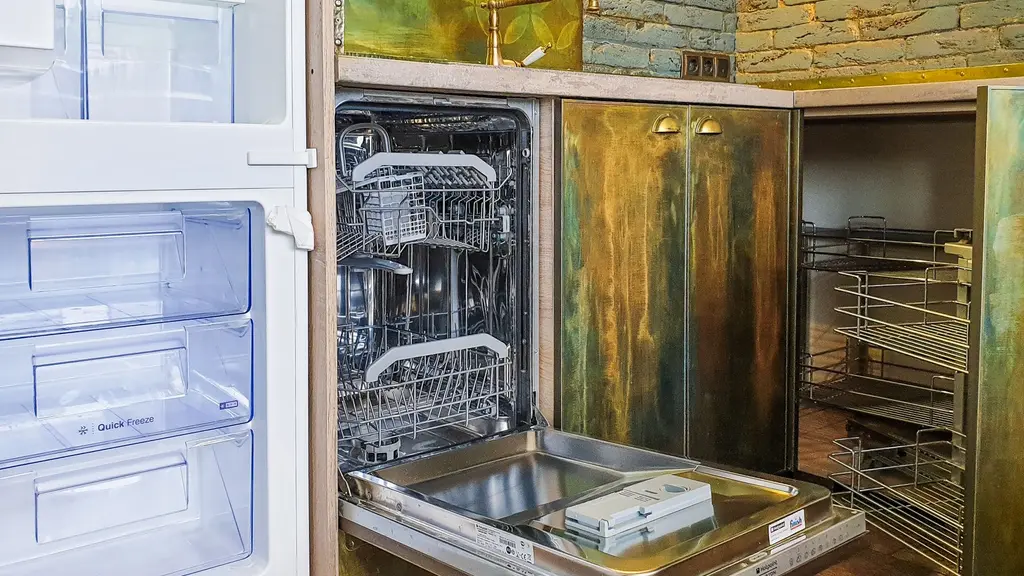
Picked a good dishwasher, but dishes still come out with grease residue or white film? The problem is usually the tablet type, not the machine. The best dishwasher detergent tablets are all-in-one ones that combine a strong detergent with built-in rinse aid, solving both the grease and white film problems together with one product, as long as the dose matches your load size and your area’s water hardness.
Quick answer
The best dishwasher detergent tablets for most households are all-in-one ones that combine detergent and rinse aid in a single tablet, since they handle grease, residue, and white film together. If your area’s water is very hard, add a separate rinse aid even with an all-in-one tablet, and adjust the water hardness setting on your machine if it has one. A higher price doesn’t automatically mean better quality; what matters is matching the tablet to your load size and actual soil level.
Key points
- All-in-one tablets combine detergent and rinse aid, covering two common problems with one product instead of two separate ones (dishwasher detergent from Britannica).
- White film is usually tied to hard water, not tablet weakness, so even the best tablet can’t fully replace an unadjusted water hardness setting (hard water from USGS).
- A higher price doesn’t automatically mean better cleaning, often just more specialized enzymes that benefit greasy pots more than lightly soiled dishes.
- Dosage should match load size and water hardness, since a full load with one tablet in very hard water may not be enough.
- Proper storage keeps a tablet effective, because humidity dissolves its outer coating before use and reduces performance.
How to pick a good tablet: the real check before you buy
Before looking at brand or price, check three things on the box: is it all-in-one (built-in rinse aid) or basic (detergent only), does it mention built-in water softener salt, useful if your area’s water is very hard, and does the recommended dose match your usual load size. A good all-in-one tablet solves white film and grease together in most cases, while a cheap basic tablet may need a separate rinse aid to reach the same result. This check costs nothing to do and tells you which category fits your kitchen before you even compare prices.
Comparison table: tablet types
| Type | What it contains | Best for |
|---|---|---|
| All-in-one | Detergent + rinse aid + sometimes softener salt | Most households, one-product convenience |
| Basic (detergent only) | Detergent without built-in rinse aid | Anyone who wants to fine-tune each element separately |
| Gel or liquid | Liquid formula that dissolves easily in cold water | Quick cycles or lower temperatures |
| Powder | Traditional powder, usually cheaper | Tight budgets, normal or higher heat cycles |
White film specifically: is the tablet the cause?
If white film shows up despite using a good all-in-one tablet, the likely cause isn’t a weak tablet but hard water in your area outpacing the built-in rinse aid’s capacity. The fix here is adding a separate rinse aid in its dedicated compartment even while using an all-in-one tablet, and adjusting the water hardness setting on your machine if it’s adjustable. See the full breakdown of this exact problem in white film on dishes from the dishwasher if that’s your main issue.
Does your machine affect which tablet to choose?
The dishwasher itself plays a partial role: a full-size model with an adjustable water hardness setting, like the Midea 12-Place-Setting Dishwasher, reduces how much you rely on the tablet alone, since it handles part of the hard water problem internally. A machine without this setting makes picking a good all-in-one tablet more important. If you’re considering a new machine altogether, see our guide to the best dishwasher in Saudi Arabia to see which models ship with this setting.
Bottom line
The best dishwasher detergent tablets for most households are all-in-one ones with built-in rinse aid, since they solve grease and white film together. If film keeps showing up anyway, add a separate rinse aid and adjust your machine’s water hardness setting, and read white film on dishes from the dishwasher for the full details. Don’t be drawn in by price alone; match the dose to your load size and store tablets away from humidity. If you’re thinking about replacing the machine itself, see our guide to the best dishwasher in Saudi Arabia and how to choose a dishwasher, or browse dishwasher prices in Saudi Arabia. Head back to dishwashers for the full hub.
Sources
- Britannica, “Detergent (dishwashing)”, explanation of dishwasher detergent ingredients and types: https://www.britannica.com/technology/detergent
- USGS, “Hardness of water”, background on hard water and its effect on detergent and rinse aid performance: https://www.usgs.gov/water-science-school/science/hardness-water
This analysis is based on published information from Britannica (Detergent (dishwashing)), USGS (Hardness of water).
Frequently asked questions
What's the difference between an all-in-one tablet and a basic one?
An all-in-one tablet combines detergent, rinse aid, and sometimes water softener salt in a single piece, so you don't need to refill separate compartments. A basic tablet only cleans, so you need a separate rinse aid to prevent white film and a separate water softener if your area's water is very hard. All-in-one is easier, but separate products let you fine-tune each element more precisely.
Do detergent tablets actually prevent white film?
All-in-one tablets with built-in rinse aid reduce white film to a reasonable degree, but they don't fully replace adjusting the water hardness setting on your machine if your area's water is very hard. In that case, adding a separate rinse aid even while using an all-in-one tablet gives a noticeably better result.
Is a more expensive tablet always better?
Not necessarily. A higher price often reflects a bigger set of specialized enzymes or an all-in-one formula, not automatically higher basic cleaning quality. For ordinary daily loads with lightly soiled dishes, a good basic tablet is enough; the difference shows up more with greasy pots or dried-on food residue.
How should I store dishwasher detergent tablets properly?
Keep them in their sealed container away from kitchen humidity, since moisture dissolves the tablet's outer coating before use and reduces its effectiveness or makes tablets stick together. Don't leave them next to the sink or right on top of the machine.