
 Egypt
Egypt  UAE
UAE  USA
USA Coffee Machine With Built-In Grinder vs Separate Grinder
We may earn a commission from purchases through our links, at no extra cost to you. How we choose · Disclosure.
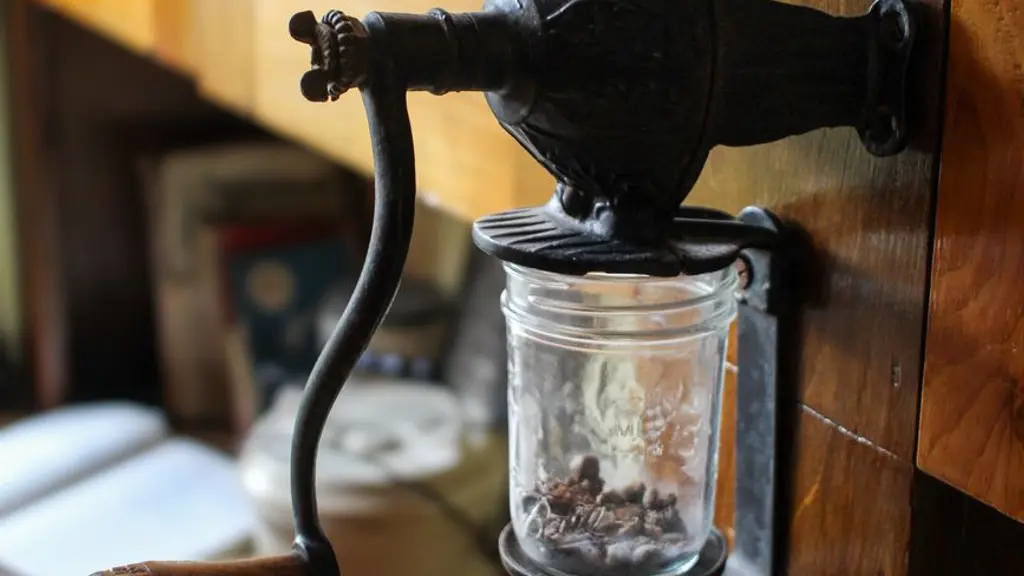
If you’re comparing a coffee machine with a built-in grinder (bean-to-cup) against a separate grinder paired with a simpler machine, the real difference isn’t just price. A built-in grinder gets you fresh coffee in one unit at the press of a button, while a separate grinder gives you finer control over grind size and the ability to upgrade one device without replacing the other. The right pick depends on how willing you are to deal with two devices instead of one.
The quick answer
A built-in grinder machine suits you best if you want fresh coffee daily with minimal effort and just one footprint on the counter. A separate grinder with a simpler machine suits you best if you want precise grind control or plan to upgrade one device later without replacing the other. Neither is objectively better, they solve different problems.
Key takeaways
- A built-in grinder saves counter space and daily steps. One unit handles grinding, brewing, and heating, with no carrying ground coffee between two devices.
- A separate grinder gives you finer control over grind size. This matters especially for espresso, where a small change in grind size changes the shot’s taste completely.
- Independence is a real advantage of a separate grinder. You can upgrade the grinder alone or the machine alone later, while a built-in grinder failing often means sending the whole unit in for service.
- Total cost doesn’t always favor one device. A good bean-to-cup machine can cost more upfront than a budget grinder plus a simple drip machine combined, but it spares you the daily hassle of two devices.
- If you want to skip the debate entirely, a capsule machine removes grinding from the equation altogether.
Built-in grinders: fresh coffee convenience in one button press
Bean-to-cup machines like the KRUPS Sensation C90 house an internal grinder that grinds whole beans fresh on every request, then forces water through the ground coffee automatically, so you get freshly ground coffee without ever touching a separate grinder or carrying ground beans from a bag to a filter. That means just one unit on the counter and one step each morning: fill the hopper and pick a drink.
The trade-off is that grind settings on these machines are preset within a reasonable range, not as open-ended as a separate burr mill that serious espresso hobbyists rely on. The grinder and machine also live in one unit, so if the grinder fails, the whole appliance often needs a service visit rather than a cheap single-part swap.
Separate grinders with a simpler machine: finer control, upgrade independence
Alternatively, you can pair a standalone coffee grinder with a simpler espresso or drip machine. This gives you finer control over grind size, a decisive factor in espresso shot quality specifically (espresso machine background from Britannica), since a good burr grinder lets you dial in grind size far more precisely than any preset inside a bean-to-cup machine.
The bigger advantage is independence: if you want to upgrade the grinder later without replacing your current machine, or swap the machine without buying a new grinder, that’s straightforward. The trade-off is dealing with two devices instead of one: more counter space, manually carrying ground coffee between the grinder and the machine each time, and two parts to clean and maintain instead of one.
Quick comparison
| Factor | Built-in grinder (bean-to-cup) | Separate grinder + simple machine |
|---|---|---|
| Counter space | One unit only | Two units, more space |
| Grind precision | Preset options | Precise, depends on grinder quality |
| Daily ease of use | One button | Two separate steps |
| Upgrading later | Usually replace the whole unit | Swap just one part |
| Best for | Fresh coffee with minimal effort | Fine-tuning grind or gradual upgrades |
So who benefits from each option?
If you drink coffee daily and want fresh taste without dealing with two devices, a built-in grinder machine like the KRUPS Sensation C90 (≈ 1,900 SAR) is the simpler, better fit for most homes. If you genuinely care about dialing in grind size precisely, especially for serious home espresso, or plan to upgrade your gear gradually over time, a separate grinder with a simpler machine is worth the extra space and steps.
And if you want to skip the grinder debate entirely, a capsule machine removes grinding from the equation altogether: drop in a pre-measured capsule, press one button, and get a consistent cup every time. A practical example from our shortlist: the Nespresso Essenza Mini, at roughly ≈ 452 SAR and one of the smallest Nespresso footprints available, tops our guide to the best coffee machine in Saudi Arabia. You’ll find its current price and the Amazon.sa link in the card below.
Bottom line
A built-in grinder gets you one device and daily convenience, while a separate grinder gets you finer precision and more upgrade independence. Neither choice is wrong here, just different priorities. If you’re still weighing other brewing methods, see capsule vs espresso machine or drip coffee maker vs espresso machine, and if you want one direct recommendation for a home kitchen, read the best coffee machine for a home kitchen. For the full buying criteria see how to choose a coffee machine, or browse our coffee machines section.
Sources
- Britannica, “Espresso machines and brewing”, background on espresso machines and the role grind size plays in extraction quality: https://www.britannica.com/topic/espresso
This analysis is based on published information from Britannica (Espresso machines and brewing).
Frequently asked questions
Is a coffee machine with a built-in grinder better than a separate grinder?
It depends on your priority. A built-in grinder (bean-to-cup) machine is better if you want fresh coffee daily with minimal effort and only one footprint on the counter, since everything happens in one unit at the press of a button. A separate grinder with a simpler machine is better if you want precise control over grind size, especially for espresso, or want to upgrade one device later without replacing the other.
Does a built-in grinder produce lower grind quality than a separate grinder?
Usually yes in terms of precision, but not necessarily in daily taste. Built-in grinders on bean-to-cup machines like the KRUPS Sensation C90 come with preset options that suit most palates, but they don't reach the precision of a separate burr grinder that serious espresso hobbyists use to dial in extraction more finely.
What's the advantage of buying a grinder separate from the machine?
The biggest advantage is independence: if the grinder breaks or you want to upgrade it, you swap it alone without replacing a coffee machine you're already happy with, and vice versa. This matters especially if you plan to build up your coffee gear gradually rather than all at once.
Is a bean-to-cup machine with a built-in grinder worth the higher price?
If you drink coffee daily and care about fresh grinding without juggling two separate devices, yes. Machines like the KRUPS Sensation C90 (≈ 1,900 SAR) cost more upfront than a budget grinder and a simple drip machine combined, but they save you counter space and an extra step every morning.