 Egypt
Egypt  UAE
UAE  USA
USA Drip Coffee Maker vs Espresso Machine: The Difference
We may earn a commission from purchases through our links, at no extra cost to you. How we choose · Disclosure.
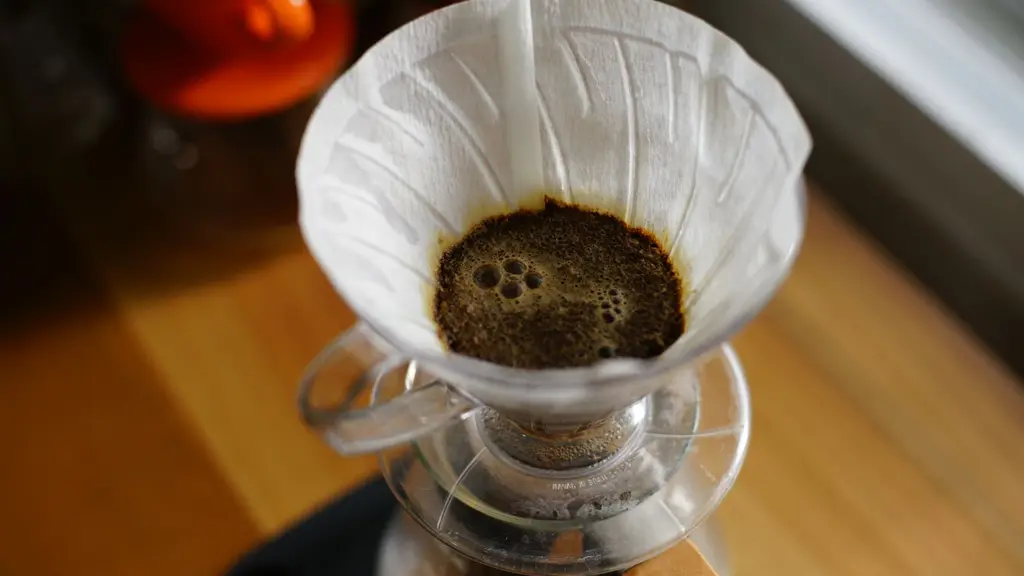
If you’re comparing a drip coffee maker to an espresso machine, you’re actually comparing two entirely different brewing methods: a large batch of relatively mild coffee at once, versus a small amount of concentrated coffee that serves as the base for milk drinks. If you’re brewing a big pot every morning for a family or office, a drip coffee maker is the better fit. If you want a concentrated cup or enjoy lattes and cappuccinos, an espresso machine is worth considering despite its higher price.
The quick answer
A drip coffee maker wins on capacity, price, and simplicity if your household drinks several cups at once. An espresso machine wins on concentration and milk drinks if you drink one or two strong cups and enjoy lattes or cappuccinos. Neither is objectively better, the right pick depends on your daily volume and the kind of coffee you actually enjoy.
Key takeaways
- A drip coffee maker brews a bigger batch at once. From 7 to 12 cups per carafe, suited to a big household or office that needs coffee for several people from a single brew.
- An espresso machine produces a small but concentrated amount. One or two shots at a time, which lattes and cappuccinos are then built on with steamed milk.
- The price gap reflects mechanical complexity. A budget drip machine starts around 100 SAR, while a slim espresso machine starts around 700 SAR and a bean-to-cup machine can reach 1,900 SAR.
- Daily effort is entirely different. Drip: press a button and wait. Manual espresso: grinding, tamping, and dialing in, or just one button on a bean-to-cup machine.
- Milk drinks are nearly exclusive to espresso. A drip coffee maker makes coffee that’s drunk as-is or with simple milk added by hand, not a real latte or cappuccino.
Drip coffee makers: big capacity and morning simplicity
A drip coffee maker works by slowly pouring hot water over coarsely ground coffee sitting in a filter, letting the brewed coffee drip into a carafe below (coffeemaker background from National Coffee Association (NCA)). Machines like the BLACK+DECKER 12-Cup Programmable DCM85 carry a programmable timer, so a full pot is ready when you wake up or when the first person arrives at the office. For smaller households, an option like the Philips Drip Coffee Maker (0.6L, 7 cups) gives the same simplicity at a smaller capacity and lower price.
The trade-off is that drip coffee is lighter and less concentrated than espresso, and the glass carafe sitting on a hotplate, rather than an insulated pot in most budget models, means leftover coffee gradually loses heat and flavor if it isn’t drunk quickly.
Espresso machines: higher concentration and milk-drink flexibility
An espresso machine forces hot water at high pressure (typically 15 bar) through very finely ground, tightly tamped coffee, producing a small (roughly 30 to 60 ml) concentrated shot topped with the signature crema layer (espresso machine background from Britannica). A slim machine like the De’Longhi Dedica Style EC685.BK comes with a built-in steam wand for frothing milk, making a full homemade latte or cappuccino possible. A bean-to-cup machine like the KRUPS Sensation C90 adds a built-in grinder, automatically grinding fresh beans with every shot.
The trade-off is a much smaller batch size compared to a drip carafe, a higher upfront price, and manual models require grinding, tamping, and dialing in, extra effort that a drip coffee maker doesn’t demand at all.
Quick comparison
| Factor | Drip coffee maker | Espresso machine |
|---|---|---|
| Batch size | 7 to 12 cups | One or two cups (shots) |
| Approximate price | ≈ 89 - 200 SAR | ≈ 719 - 1,900 SAR |
| Milk drinks | Indirect, needs separate prep | Direct, via steam wand or bean-to-cup |
| Daily effort | One button and wait | Grinding and tamping, or one button on bean-to-cup |
| Best for | Big household or office, multiple cups | One or two people, concentrated coffee and milk drinks |
So which one actually fits your morning?
If your household goes through several cups at once, or you’re brewing coffee for multiple people every morning, a drip coffee maker is the logical choice on capacity and price. If you drink one or two strong cups and enjoy lattes or cappuccinos, an espresso machine is worth the extra investment despite its smaller batch size.
And if you want espresso character without fully committing to a manual espresso machine, a capsule machine gives you a reasonable middle ground: a practical example from our shortlist, the Nespresso Essenza Mini at roughly ≈ 452 SAR, heats up fast for an espresso or lungo shot with no grinding or tamping, and it tops our guide to the best coffee machine in Saudi Arabia. You’ll find its current price and the Amazon.sa link in the card below.
Bottom line
A drip coffee maker wins on capacity and price for a big household or office, while an espresso machine wins on concentration and milk drinks for one or two strong cups. Choose based on how much coffee you actually drink each morning, not on which one sounds better in ads. If you’re still torn between capsules and real espresso, see capsule vs espresso machine, and if you want one direct recommendation for your kitchen, read the best coffee machine for a home kitchen. For the full buying criteria see how to choose a coffee machine, or browse our coffee machines section.
Sources
- National Coffee Association (NCA), “Coffee brewing methods”, background on how drip coffee makers work: https://www.ncausa.org/about-coffee/how-to-brew-coffee
- Britannica, “Espresso machines and brewing”, background on espresso machines and extraction pressure: https://www.britannica.com/topic/espresso
This analysis is based on published information from National Coffee Association (NCA) (Coffee brewing methods), Britannica (Espresso machines and brewing).
Frequently asked questions
What is the difference between a drip coffee maker and an espresso machine?
A drip coffee maker slowly pours hot water over coarsely ground coffee in a filter, producing a full carafe of relatively mild coffee that can serve several cups. An espresso machine forces hot water at high pressure through finely ground, tamped coffee, producing a small, concentrated shot that's the base for lattes and cappuccinos. The core difference is batch size and concentration, not just taste.
Which machine is better for a big household or office?
Usually a drip coffee maker, since it brews 7 to 12 cups in a single batch, enough for several people from one carafe. An espresso machine only produces one or two cups at a time, so a big household or office relying on it alone needs repeated brews.
Do espresso machines make lattes and cappuccinos?
Yes, because the concentrated shot from an espresso machine is the base that steamed milk gets added to for a latte or cappuccino, and most espresso machines come with a steam wand for this purpose. A drip coffee maker doesn't make these drinks directly, its coffee is lighter and is usually drunk as-is or with simple milk added by hand.
Which is cheaper, a drip coffee maker or an espresso machine?
A drip coffee maker is usually cheaper to buy, starting around 100 SAR for a budget model. A slim espresso machine starts around 700 SAR, and a bean-to-cup machine with a built-in grinder can reach 1,900 SAR. The gap reflects mechanical complexity, forcing water at high pressure through tamped coffee is technically harder than slowly pouring water through a filter.