
 Egypt
Egypt  UAE
UAE  USA
USA Fridge in an Outdoor Kitchen: Can It Handle the Heat?
We may earn a commission from purchases through our links, at no extra cost to you. How we choose · Disclosure.
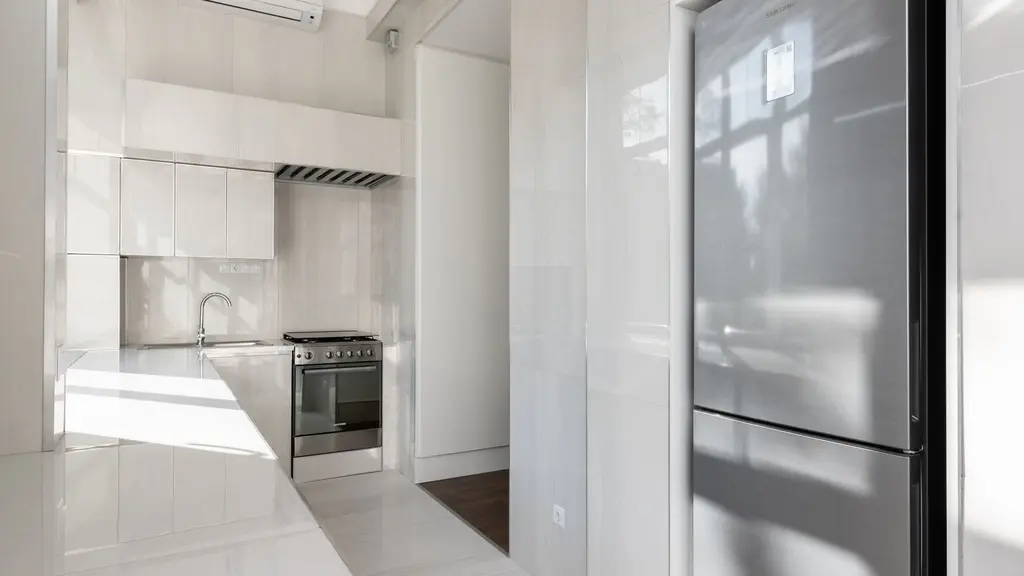
Yes, a standard household refrigerator can work in an outdoor kitchen in Saudi Arabia even through severe summer heat, but on one non-negotiable condition: enough ventilation around the fridge’s body, not the air temperature itself. A fridge is built to reject heat out the back and bottom through its condenser coils, and if you box it inside a sealed cabinet with no airflow, that’s what fails first, not the outdoor heat alone. Get the clearance and ventilation right, pick a spot away from direct sun and the charcoal grill, and your fridge will run close to normally.
The quick answer
Yes, but the ventilation around the fridge is what decides success or failure, not the ambient air temperature alone. Leave enough clearance behind, above, and on the sides of the fridge, avoid a fully sealed cabinet with no openings, and keep the fridge away from direct sunlight and other heat sources like a grill. If the cabinet has to be fully enclosed by design, a small ventilation fan installed inside it is a practical fix.
Key takeaways
- A fridge rejects heat from the back through its condenser coils, so it needs free air space around it to get rid of that heat, not the other way around (refrigerator definition from Britannica).
- A fully sealed cabinet traps the heat the compressor rejects, raising the air temperature immediately around the fridge itself to a level that strains it and raises energy use.
- Direct sunlight on the fridge’s body adds a real heat load, even with good ventilation, so shade is a functional requirement, not a nice-to-have.
- Proper ventilation needs two openings, not one, a lower vent for cool air in and an upper vent for hot air out, since air needs a full path rather than a single point (ventilation architecture basics from US EPA).
- No-frost matters more in an outdoor kitchen, because the freezer runs under a heavier load in a hotter environment, and manual defrosting on top of that is one extra chore you don’t need.
Why heat is a bigger challenge for a fridge in an outdoor kitchen
A fridge doesn’t cool the air around it, it moves heat from the inside to the outside through condenser coils usually at the back or bottom of the unit, then relies on the surrounding air to carry that heat away. In a moderate indoor kitchen, that process is relatively easy. In an outdoor kitchen in Saudi Arabia, where the air itself can top 45C in the shade, the compressor works harder continuously to maintain the same internal temperature gap, which means higher energy use and faster wear if the unit isn’t given enough room to actually dump the heat it’s rejecting.
That’s the core difference between an indoor and outdoor kitchen from the fridge’s point of view: the problem isn’t the heat itself so much as whether the location can actually carry away the extra heat the unit produces while running.
Clearance and ventilation: the rule that decides everything
The single most important rule for any outdoor kitchen cabinet is the ventilation clearance around the fridge, not the cabinet material or style. Leave open space behind the fridge to let air move past the condenser coils, and similar space above and on the sides if the layout allows. More important still: design the cabinet with two openings, a lower vent near the ground that lets cooler air in, and an upper vent that lets hot air escape naturally as it rises. A cabinet with only one opening, or none at all, traps hot air around the unit and recirculates it instead of clearing it out, which noticeably raises the fridge’s actual operating temperature even if the air outside the cabinet is relatively mild.
Check your specific fridge model’s manual for the manufacturer’s exact recommended clearance before building or modifying an outdoor kitchen cabinet, since the details vary a bit depending on where the condenser coils sit in each design.
Pick a location away from the sun and other heat sources
Even with excellent ventilation, the fridge’s exact spot matters. Avoid placing it in the path of direct sunlight, especially on the west-facing side of the outdoor kitchen where afternoon heat is worst. Permanent shade, whether from a canopy roof, a tall wall, or the cabinet’s own position, genuinely reduces the extra heat load on the unit, it isn’t a cosmetic detail. Also keep the fridge well away from a charcoal grill or an outdoor gas burner, since heat from those sources adds to the surrounding air temperature and puts extra strain on the compressor.
Quick comparison: indoor kitchen versus outdoor kitchen requirements
| Factor | Moderate indoor kitchen | Outdoor kitchen in Saudi summer |
|---|---|---|
| Ventilation needed around the unit | Basic clearance behind the unit is usually enough | Two vents (lower and upper) are close to mandatory |
| Sun exposure | Rarely a factor | Must be avoided with a shaded spot |
| Ambient air temperature | Roughly 20 to 30 degrees | Can exceed 45 degrees in the shade |
| Importance of no-frost | Nice for convenience | Worth prioritizing to cut extra load |
| Risk of poor ventilation | Slightly higher energy use | Real strain and potential early failure |
The practical rule: everything that shifts from the middle column to the right column above makes proper ventilation more important, not less.
When you need an extra cabinet ventilation fan
In most partially open outdoor kitchens, a lower and upper vent plus a shaded location are entirely enough on their own, no extra equipment needed. But if the kitchen design calls for a fully enclosed cabinet for aesthetic reasons or to shield the unit from dust, natural ventilation alone may not be enough at the peak of summer heat. This is where adding a small ventilation fan inside the cabinet, one that actively pulls hot air out instead of relying on still air, becomes a practical, relatively low-cost addition compared to the risk of straining the unit or shortening its life. The core fix is always the vent openings and the right location; a ventilation fan is a supplement for fully enclosed cabinets specifically, not a substitute for getting the design right in the first place.
A family fridge built for daily use in an outdoor kitchen
If you’re choosing a new fridge for an outdoor kitchen, don’t look for a unit marketed specifically as “heat-resistant,” that isn’t a certified rating most brands available in Saudi Arabia carry, instead make sure the design and ventilation around the unit are correct as explained above. The Geepas 420L Double-Door No-Frost was our example of a family fridge for this job, but its featured offer was unavailable when we re-checked on 23 August 2026. The live no-frost family option is the Super General 338L Top-Mount No-Frost, whose no-frost system saves you manual defrosting in an already hotter environment. We’re not claiming either is built specifically for outdoor use, and the ventilation rules above matter more than the model, so check the current list in our guide to the best refrigerator in Saudi Arabia.
Bottom line
A fridge in a Saudi outdoor kitchen succeeds or fails based on ventilation and placement, not the outdoor temperature alone. Leave enough clearance behind, above, and on the sides of the unit, design two vent openings instead of one opening or a fully sealed cabinet, and keep the fridge away from direct sun and other heat sources. No-frost is worth prioritizing more in this environment specifically, and if the design forces a fully enclosed cabinet, a small ventilation fan is a practical, affordable addition. If you want to go deeper on the case for no-frost specifically, read no frost vs defrost refrigerator, and if you’re still working out how many liters your household needs, check our refrigerator size guide or our how to choose a refrigerator guide. For every option in one place, browse our refrigerators section.
Sources
- Britannica, “Refrigeration”, definition of the refrigerator and how it works by rejecting heat through condenser coils: https://www.britannica.com/technology/refrigeration
- US EPA, “Home ventilation rates”, background on architectural ventilation basics and the path air takes in and out of an enclosed space: https://www.epa.gov/indoor-air-quality-iaq/how-much-ventilation-do-i-need-my-home-improve-indoor-air-quality
This analysis is based on published information from Britannica (Refrigeration), US EPA (Home ventilation rates).
Frequently asked questions
Does a standard refrigerator work in an outdoor kitchen in Saudi summer heat?
Yes, in most cases. A standard household refrigerator is built to reject heat through its rear condenser coils, not to cool the air around it, so what determines success in an outdoor kitchen isn't the outdoor temperature alone, it's how well ventilated the spot you place it in is. With enough clearance and a shaded location, most family fridges run close to normally even at the peak of summer.
How much clearance should I leave around a fridge in an outdoor kitchen cabinet?
As a general rule, leave several centimeters of open space behind, above, and on the sides of the fridge, with a lower vent that lets cooler air in and an upper vent that lets hot air out. Check your specific model's manual for the manufacturer's exact recommended clearance, since it varies a bit depending on where the condenser coils sit in each design.
Is no-frost better for a fridge in an outdoor kitchen?
Yes, it's worth prioritizing even more than in a moderate indoor kitchen. A no-frost freezer circulates cold air and prevents ice buildup automatically, saving you an extra manual defrosting chore in an environment that already places a higher heat load on the whole machine.
Can I install a fridge in a fully enclosed cabinet in an outdoor kitchen?
It's better to avoid that. A fully enclosed cabinet with no vents traps the heat the compressor and condenser reject right around the fridge itself, raising the air temperature immediately surrounding it to a point that strains the machine, raises energy use, and can shorten its life. If the design calls for a fully enclosed cabinet for aesthetic reasons, a small ventilation fan installed inside the cabinet that actively pulls hot air out is a relatively cheap, practical fix.