
 Egypt
Egypt  UAE
UAE  USA
USA Refrigerator Organizers and How to Organize Fridge Shelves
We may earn a commission from purchases through our links, at no extra cost to you. How we choose · Disclosure.
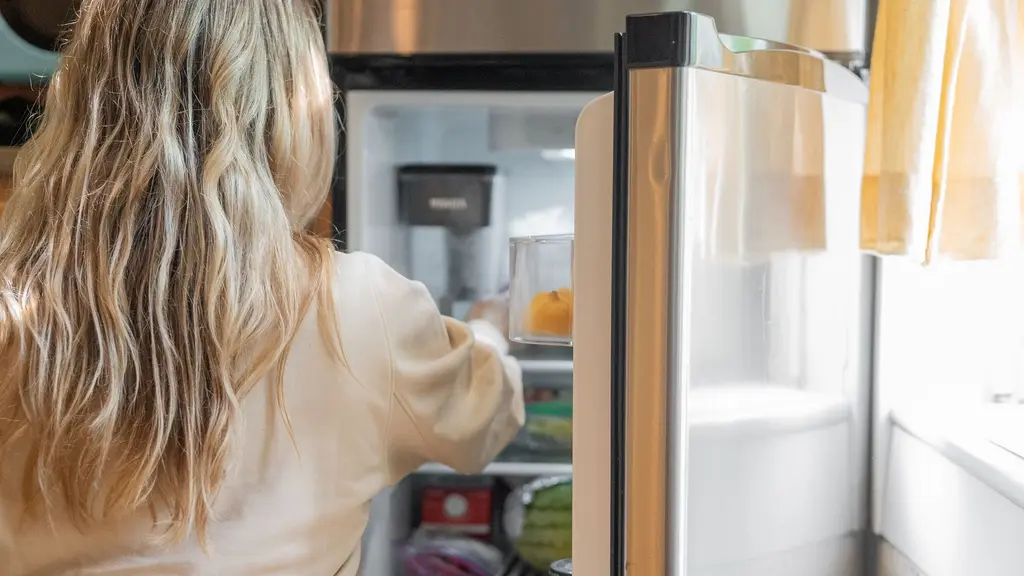
The fastest way to organize a fridge is to sort by actual temperature zone, not just shape: the coldest bottom shelf for raw meat and poultry in sealed containers, the middle shelf for dairy and eggs, the warmer top shelf for ready-to-eat food and leftovers, the crisper drawers for humidity control, and the warmest door for condiment jars and sauces only. That single arrangement prevents most cases of food spoiling forgotten at the back.
The quick answer
Organize your fridge by the actual temperature of each shelf, not just its shape: coldest bottom shelf for raw meat, middle shelf for dairy and eggs, top shelf for ready-to-eat food and leftovers, and separate drawers for vegetables and fruit. Use bins sorted by category so you can see the fridge’s contents at a glance, and apply a first-in-first-out rule, moving older food to the front every time you store a new grocery run. That alone dramatically cuts down on forgotten, wasted food.
Key takeaways
- A fridge isn’t one temperature zone, it’s genuinely several different ones, with the bottom shelf running several degrees colder than the door (how a refrigerator works, from Britannica).
- The coldest bottom shelf is the right spot for raw meat and poultry, because any leaking juices drip down instead of contaminating other food (home food safety guidance from University of Illinois Extension).
- The fridge door is the warmest part of the whole unit, so it suits condiment jars and sauces, not milk or eggs, even though many designs put a rack there for them.
- Bins sorted by category save you search time and stop food getting forgotten at the back of the fridge until it spoils.
- A first-in-first-out habit, moving older food to the shelf front on every new grocery run, is the single most important habit for cutting food waste long term.
Sort by actual temperature zones first
Before you think about bins or organizers, understand that a fridge isn’t one evenly distributed temperature. Cold air is heavier and sinks, so the bottom shelf runs genuinely coldest, and the door is warmest because it’s exposed to room air every time you open it. That gap is the foundation every organizing rule builds on: put the most heat-sensitive items (raw meat) at the coldest point, and the most tolerant items (condiment jars and sauces) at the warmest.
Where to put each type of food: quick reference table
| Zone | Relative temperature | Best stored here |
|---|---|---|
| Top shelf | Warmer relative to the rest of the fridge body | Ready-to-eat food, leftovers, sealed juices |
| Middle shelf | Moderate | Dairy, cheese, eggs |
| Bottom shelf | Coldest in the fridge | Raw meat and poultry, always in sealed containers |
| Vegetable drawers | Separate, controlled humidity | Fresh vegetables and fruit |
| Door | Warmest in the whole fridge | Condiment jars, sauces, opened juices |
First-in-first-out stops waste
Once the zones are set, the one habit that keeps things organized day to day is moving older food to the front of the shelf every time you store a new grocery run, with newer items placed behind it. Without this simple step, even the most carefully zoned fridge falls apart within two weeks, because older items get pushed to the back and forgotten until they spoil. This habit, not the number of bins you own, is what actually separates an organized fridge from a chaotic one.
Bins and organizers that make the daily task easier
Sticking to the right temperature zones and a first-in-first-out habit is enough on its own for effective organization, so don’t treat bins as a requirement. But they make keeping things organized day to day much easier, especially in a spacious double-door fridge sized for a full family shop: clear, stackable bins keep each food category (herbs, opened sauces, small scattered items) in one fixed spot you can pull out and wipe down in one go, instead of searching through dozens of loose items. Pick bins sized to your actual shelf depth that hold up to repeated washing, not necessarily a specific type or brand.
A double-door fridge whose design makes this easier
Everything above depends on having clearly separated shelves and compartments that let you actually apply temperature zones. The Geepas 420L Double-Door No-Frost was our example of that, with 420L split across clearly separated shelves and drawers and a no-frost system that prevents the ice buildup that complicates any later organizing attempt. Its featured offer was unavailable when we re-checked on 23 August 2026, so the pick to look at now is the Super General 527L Double-Door, whose double-door body and properly separated freezer give you the same clear zones at the largest capacity with a live offer. It tops our guide to the best refrigerator in Saudi Arabia.
Bottom line
Organizing a fridge isn’t about how many bins you own, it’s about matching each type of food to the right temperature zone: bottom shelf for raw meat, middle for dairy, top for ready-to-eat, and drawers for produce, with older food constantly moved to the front. Clear bins are a convenient add-on, not a requirement. If your kitchen space is already tight, the best refrigerator for a small apartment explains how to size right first, and if you’re still working out how many liters your household needs, see our refrigerator size guide or guide to how to choose a refrigerator. For every option in one place, browse our refrigerators section.
Sources
- Britannica, “Refrigeration”, general background on how a refrigerator works and its internal temperature variation: https://www.britannica.com/technology/refrigeration
- University of Illinois Extension, “Safe refrigerator storage of raw meat”, background on food safety principles and storing raw meat separately from other food: https://extension.illinois.edu/meat-safety/storing
This analysis is based on published information from Britannica (Refrigeration), University of Illinois Extension (Safe refrigerator storage of raw meat).
Frequently asked questions
How often should I reorganize my fridge shelves?
A quick weekly pass is enough to put each item back in its fixed spot and move older food to the front. A deeper reorganization, wiping shelves and checking expiry dates, once a month or two is enough for a normal household, and more often if you store large quantities or cook daily.
Should I keep milk and eggs in the fridge door?
Better not to. The door is the warmest part of the fridge because it's exposed to room air every time you open it, so milk and eggs hold their temperature more steadily on an interior shelf, not the door rack. Leave the door for condiment jars, sauces, and opened juices that can tolerate a bit of temperature swing.
Are clear refrigerator organizer bins actually necessary?
No, they're not necessary. Sticking to the right temperature zones and a first-in-first-out habit is enough on its own for effective organization. Clear bins are useful because they keep each food category in a fixed spot you can pull out and wipe down in one go, but they're a convenience add-on, not a requirement.
Where should raw meat and poultry go in the fridge to avoid contamination?
Always on the bottom shelf, the coldest part of the fridge, and inside a sealed container or bag. This stops any leaking juices from reaching food stored below it, and keeps the meat at the lowest temperature the fridge offers.