
 Egypt
Egypt  UAE
UAE  USA
USA How Long Does a Refrigerator Last? When to Replace It
We may earn a commission from purchases through our links, at no extra cost to you. How we choose · Disclosure.
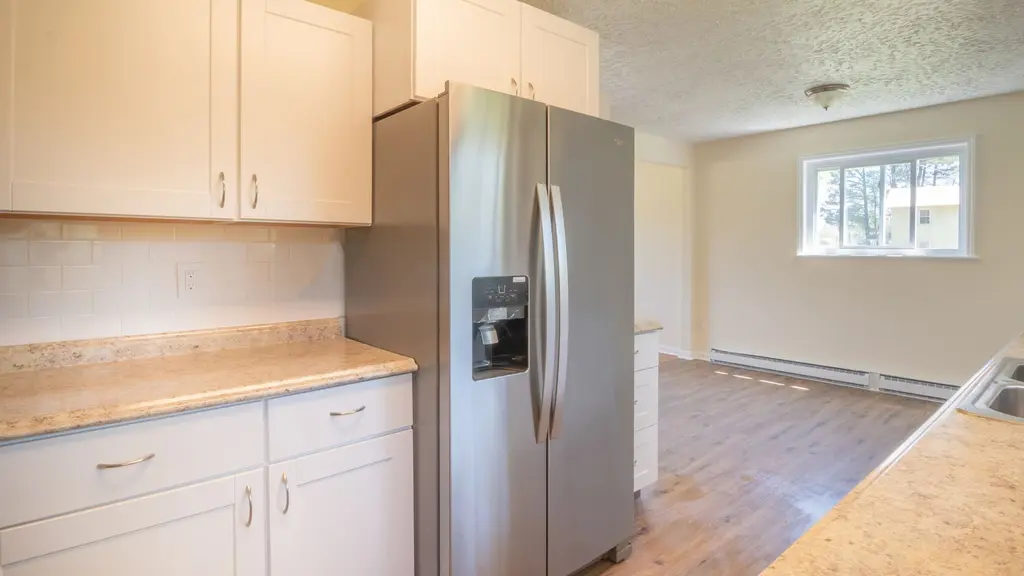
A typical household refrigerator lasts between 10 and 20 years, with a common average around 12 to 15 years, depending on the compressor type, the cooling system, maintenance quality, and how much heat exposure it gets. Signs it’s nearing the end include a rising electricity bill, a loud, near-constantly running compressor, and repeated minor faults. If the fault is in the compressor or sealed system on a unit that’s out of warranty and 10-plus years old, replacing it is usually the smarter financial call over repairing it. Here are the full details.
The quick answer
Most refrigerators last between 10 and 20 years, with a common average around 12 to 15 years under normal maintenance. Inverter-compressor, no-frost models tend toward the higher end of that range, especially with good ventilation and away from direct heat sources. Signs of the end include a rising electricity bill, a loud compressor, and repeated repairs. If the fault is in the compressor on a unit that’s out of warranty and 10-plus years old, repair costs often come close to the price of a new unit.
Key points
- The average household refrigerator lifespan is 10 to 20 years, and the compressor is the component that determines the actual end of life in most cases (background on the vapor-compression cycle refrigerators rely on, from Britannica).
- High heat and poor ventilation strain the compressor, an important factor in Saudi Arabia’s hot climate if the fridge sits near a heat source or in a tight space.
- Inverter-compressor models tend to last longer than standard compressors because their variable operation puts less strain on the system.
- Repeated minor faults are a cumulative signal, not an isolated incident, that the unit as a whole is nearing the end of its useful life.
- Repairing a compressor or sealed system on an older, out-of-warranty unit often costs close to the price of a brand-new fridge (general background on the refrigerator from Britannica).
Average lifespan by refrigerator type
| Refrigerator type | Expected lifespan | Note |
|---|---|---|
| Inverter compressor, no-frost | 15 to 20 years | Variable operation puts less strain on it, easier upkeep |
| Standard compressor, no-frost | 12 to 15 years | Common market baseline for most households |
| Standard compressor, direct-cool (defrost) | 10 to 15 years | Needs regular manual defrosting to avoid straining the compressor |
| Mini fridge or mini-bar | 8 to 12 years | Smaller, simpler compressor, typically shorter life |
Factors that extend a refrigerator’s life
- Enough clearance around the unit: free space on every side, especially behind the rear vents, lets the compressor dump heat without extra strain.
- Regular condenser coil cleaning: dust buildup, common in Saudi Arabia’s climate, blocks heat dissipation and makes the compressor run longer.
- A sound, well-sealed door gasket: a worn gasket keeps letting cold air leak out, so the compressor runs nonstop to make up the difference.
- Stable electrical current: frequent voltage fluctuations wear down the compressor’s electronic components over time.
Factors that shorten a refrigerator’s life
- Placing it near a direct heat source or in direct sunlight, or inside an enclosed cabinet without enough airflow to the rear or top vents.
- Neglecting to clean the condenser coils for years, especially in a dusty environment.
- Regularly overloading the fridge beyond its designed capacity, which blocks cold air from circulating freely inside.
- Ignoring a simple fix like a worn door gasket, since it makes the compressor work continuously harder, shortening its cumulative life.
Signs your refrigerator is nearing the end
- A noticeable, unexplained rise in the monthly electricity bill.
- A compressor running louder than usual or almost continuously without natural rest periods.
- Recurring sweating or moisture on the outer surface or around the door.
- Food spoiling faster than usual despite unchanged temperature settings.
- Repeated technician visits for different faults within a short span.
Table: age versus the repair-or-replace decision
| Unit age | Type of fault | Best decision |
|---|---|---|
| Under 5 years | Any fault, usually still under warranty | Almost always repair |
| 5 to 10 years | Gasket, thermostat, fan | Repair, cost is usually reasonable |
| 5 to 10 years | Compressor or sealed system | Compare the cost against a new unit of similar capacity |
| Over 10 years | Simple issue (gasket, handle, light) | Repair if the cost is low |
| Over 10 years | Compressor or sealed system | Replacing is usually the smarter financial call |
When to repair it and when to replace it
The practical rule: if the diagnosis and repair cost approaches half the price of a new fridge with a similar capacity or more, and the unit is out of warranty and 10-plus years old, replacing it is usually the smarter financial call, especially since newer models are often more energy-efficient. But before deciding a fridge has “reached the end,” make sure the fault is genuinely in the compressor or sealed system and not a simple, quick-fix cause like a door gasket or blocked vents, both of which our guide on refrigerator not working: what to check before you replace it explains in detail.
If it’s time to replace
If you’ve reached the decision to replace, our top pick in the guide to the best refrigerator in Saudi Arabia is now the Super General 527L Double-Door, the largest capacity with a live offer on Amazon.sa and one of the few family fridges there carrying a real base of buyer reviews. The Geepas 420L No-Frost held that spot until its featured offer went unavailable on 23 August 2026, and we keep its card below as a price reference only.
Bottom line
A household refrigerator typically lasts 10 to 20 years, varying with the compressor type, maintenance, and ambient heat. Good ventilation, clean condenser coils, and a sound door gasket noticeably extend that life, while direct heat exposure and neglected cleaning shorten it. Before deciding your fridge is done, make sure the fault is genuinely in the compressor and not a simple, fixable cause, via our guide on refrigerator not working: what to check, and if a stubborn smell is also an issue, why does a refrigerator smell may help. If it really is time to replace, start with the guide to the best refrigerator in Saudi Arabia, and if you’re unsure what size fits your home, see how to choose a refrigerator or our refrigerator size guide.
Sources
- Britannica, “Refrigeration”, general background on the refrigerator, its components, and its operating lifespan: https://www.britannica.com/technology/refrigeration
This analysis is based on published information from Britannica (Refrigeration).
Frequently asked questions
How long does a refrigerator last on average?
Most household refrigerators last between 10 and 20 years, with a common average around 12 to 15 years under normal maintenance. Inverter-compressor, no-frost models tend toward the higher end of that range with good ventilation and regular cleaning, while older units with a standard compressor and direct-cool freezer sit closer to the lower end.
What are the signs a refrigerator is nearing the end of its life?
An unexplained rise in your electricity bill, a compressor that runs loudly or almost continuously without pausing, sweating or moisture on the outer surface, food spoiling faster than usual despite normal temperature settings, and repeated minor repairs. Any one sign alone may not mean much, but several together are a clear signal the unit is nearing the end of its useful life.
Is it worth repairing a refrigerator over 10 years old?
It depends on the fault. A simple issue like a door gasket or thermostat is usually worth fixing regardless of the unit's age. But a compressor or sealed-system failure on a unit that's out of warranty and 10-plus years old often costs close to the price of a new fridge, at which point replacing it is the smarter financial call.
Does the high heat in Saudi Arabia shorten a refrigerator's lifespan?
Yes. If the fridge sits near a direct heat source, in direct sun, or in an enclosed space that blocks airflow to the rear vents, the compressor has to work harder continuously and wears out faster. Enough clearance around the unit and good kitchen ventilation noticeably reduce this effect.
Do no-frost refrigerators last longer than defrost models?
Not necessarily because of the mechanism itself, but a no-frost system spares the unit the ice buildup that can mechanically strain the compressor in older models if it isn't manually defrosted regularly. In that sense, regular maintenance matters more than the system type alone in determining actual lifespan.