
 Egypt
Egypt  UAE
UAE  USA
USA How to Clean a Vacuum Cleaner and Its Filter the Right Way
We may earn a commission from purchases through our links, at no extra cost to you. How we choose · Disclosure.
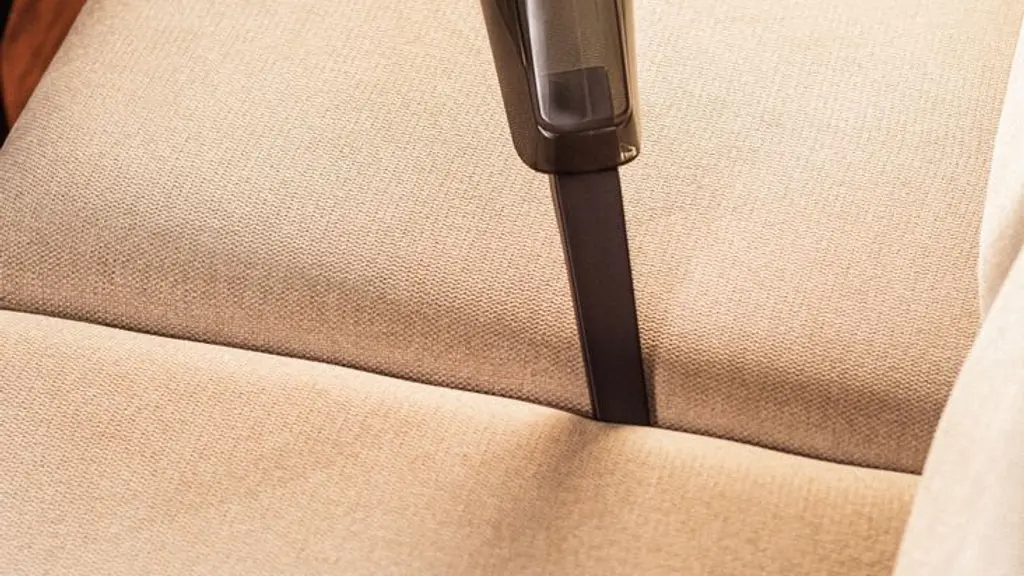
Empty the dust container after every use or once it’s about half full, tap out or wash the filter weekly per your model’s manual, and check the brush roll for tangled hair and threads on the same schedule. This simple routine is the real difference between a vacuum that keeps its suction for years and one that gradually loses power while appearing to “work fine” on the surface. The filter in particular needs special attention, since washing it doesn’t restore its original efficiency forever, and at some point it needs a replacement HEPA filter rather than another wash.
The quick answer
Empty the dust container after every use, tap out or wash the filter weekly per the model’s manual, and remove tangled hair and threads from the brush roll on the same schedule. Washable filters need a full 24-hour air dry before reinstalling. If suction stops returning to its usual strength despite a good wash and dry, that’s a sign the filter has reached the end of its life and needs replacing with a matching HEPA filter for your model.
Key takeaways
- A vacuum cleaner relies on a motor pulling air through a filter and a collection container, and any blockage along that path reduces suction before the container actually looks full (vacuum cleaner definition and suction principle from Britannica).
- A HEPA filter traps extremely fine dust particles that slip past regular filters, but it gradually clogs with use no matter how often it’s cleaned, which reduces airflow and suction together (HEPA filter definition and its efficiency at trapping fine particles from US EPA).
- A brush roll wrapped in hair or thread spins with difficulty, which reduces how efficiently it agitates dust out of carpet and strains the motor unnecessarily.
- The dust container loses suction efficiency before it looks visually full, especially with the fine dust common during dust seasons in Saudi Arabia.
- A damp filter is more dangerous than a dirty one, since trapped moisture causes a musty smell and can damage the motor if refitted before it’s fully dry.
Basic cleaning steps after every use or every few uses
- Empty the dust container into the bin after every use, or once it’s about half full, not once it’s completely packed.
- Tap out the filter’s excess dust over the bin or with light taps against its edge.
- Wipe the body and hose from the outside with a dry or slightly damp cloth to remove built-up dust.
- Check the brush roll for wrapped hair or thread.
- Unplug the vacuum before checking or cleaning the brush, to avoid it running accidentally during cleaning.
Cleaning the filter: with water, or dry only?
Check your model’s manual first, since not every filter is washable. Washable filters are rinsed in cold water only, no soap or detergent, gently squeezed of excess water, then left to air-dry completely away from direct sunlight for at least 24 hours. Reinstalling a damp filter before it’s fully dry is a common mistake that causes a musty smell inside the vacuum and can damage the motor over time. Non-washable filters are only tapped free of excess dust with light taps or a soft brush, and are never washed, since water damages their filtering material.
The brush roll: removing tangled hair and thread
The brush roll is the part that makes direct contact with carpet, and pet hair or thin carpet threads wrap around it quickly with repeated use. Unplug the vacuum, then use a small pair of scissors to cut the wrapped hair lengthwise before pulling it off by hand, which is easier than trying to remove it all at once. Homes with pets or thick carpet need this check weekly, while a mostly tile home can get away with checking every two weeks.
When do you need to replace the filter instead of washing it?
Washing restores the filter’s efficiency temporarily, but it isn’t a permanent fix. If you’ve washed and thoroughly dried the filter and suction is still weaker than usual, or the filter looks torn or visibly worn, that’s a sign its filtering material has reached the end of its useful life. At that point, a replacement HEPA filter matching your specific model solves the problem right away, and it earns its place as a simple, practical add-on instead of continuing to wash a filter that no longer performs at the same level.
A vacuum whose design makes routine maintenance easier
When shopping for a new vacuum, how easily you can reach the dust container, filter, and brush roll at cleaning time makes a real difference long term. A practical example from our shortlist: the Dyson V8 Animal, with a dust bin that empties with one push and a filter that’s easy to reach without complicated disassembly, backed by thousands of positive reviews on Amazon.sa. We didn’t pick it just for being easy to maintain, we picked it because the balance of suction and easy daily upkeep makes sense for most homes, which is why it tops our guide to the best vacuum cleaner in Saudi Arabia.
See the Dyson V8 Animal price on Amazon.sa ↗
When to stop and call a technician
- Suction remains weak after the bin, filter, brush roll, and hose are cleaned.
- The brush roll still will not turn after hair and thread are removed.
- The filter is torn or visibly worn and a compatible replacement cannot be identified.
Stop using the appliance and have a qualified technician inspect it before using it again.
Bottom line
Cleaning a vacuum cleaner is a simple routine that takes just a few minutes: a dust container emptied regularly, a filter tapped or washed and fully dried before reinstalling weekly, and a brush roll free of tangled hair and thread. If washing no longer restores suction to its usual strength, a replacement HEPA filter matching your model solves it. Robot vacuums need a slightly different maintenance routine, covered in detail in how to clean a robot vacuum. If you’re still deciding between a cordless stick and a robot vacuum in the first place, see robot vs cordless vacuum, and to pick the right type for your home, see our how to choose a vacuum guide or browse the full vacuum cleaners in Saudi Arabia section.
Sources
- Britannica, “Vacuum cleaner”, definition of the vacuum cleaner and the principle of suction through the filter and container: https://www.britannica.com/technology/vacuum-cleaner
- US EPA, “What is a HEPA filter”, definition of the HEPA filter and its efficiency at trapping fine particles: https://www.epa.gov/indoor-air-quality-iaq/what-hepa-filter
This analysis is based on published information from Britannica (Vacuum cleaner), US EPA (What is a HEPA filter).
Frequently asked questions
How often should I clean my vacuum cleaner?
Empty the dust container after every use or once it's about half full, since suction weakens before the container actually looks full. The filter needs tapping out or washing per the model's manual roughly once a week, and the brush roll needs checking for tangled hair and threads on the same schedule, especially with pets or thick carpet at home.
Should I wash the vacuum filter with water, or clean it dry only?
It depends on the filter type listed in your model's manual. Washable filters get rinsed in cold water only, no soap, and must air-dry completely for at least 24 hours before reinstalling, since fitting a damp filter back in causes a musty smell and can damage the motor. Non-washable filters are only tapped free of loose dust and replaced when needed.
When do I need to replace the HEPA filter instead of washing it?
If suction doesn't return to its usual strength even after a thorough wash and full dry, or the filter looks torn or visibly worn, that's a sign its filtering material has reached the end of its life. At that point, a replacement HEPA filter that matches your model solves it right away instead of continuing to wash a filter that no longer does its job.
Why does the vacuum lose suction even though the dust container isn't completely full?
The most common cause is a filter partially clogged with fine dust, or a brush roll wrapped in hair and thread that can't spin fully. Both reduce airflow well before the container is actually full, which is why checking the filter and brush matters more than relying on the container's fill level alone.