
 Egypt
Egypt  UAE
UAE  USA
USA How Do You Maintain a Coffee Machine Regularly?
We may earn a commission from purchases through our links, at no extra cost to you. How we choose · Disclosure.
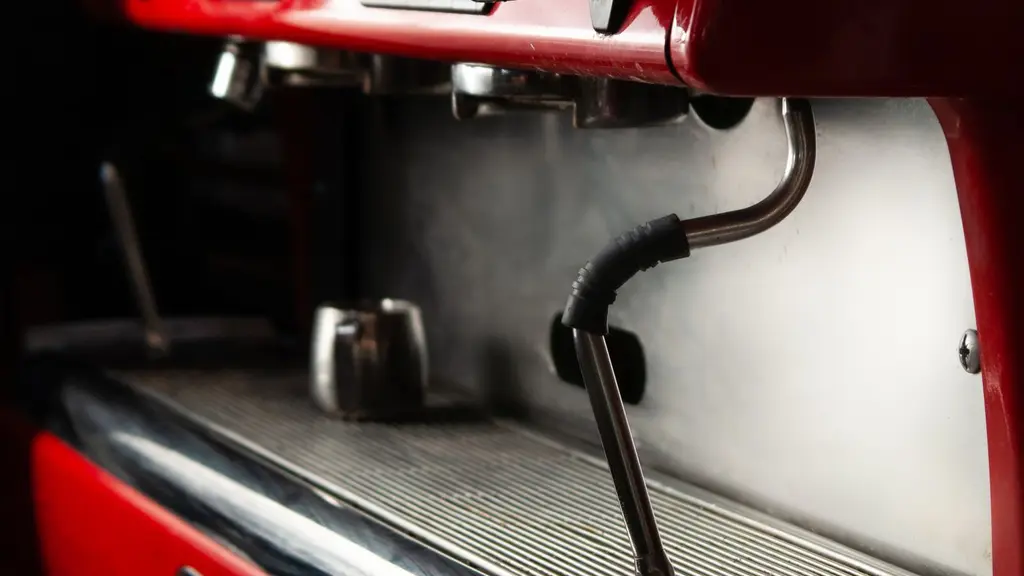
Descaling alone isn’t full coffee machine maintenance. The group head and portafilter build up bitter coffee oils and get sticky over time, a neglected drip tray becomes a source of odors, and rubber gaskets and seals harden with repeated heating cycles, causing leaks or weak pressure sooner than most people expect. The good news is that full maintenance is simple once you know the right routine.
The quick answer
Clean the portafilter and group head after every use, empty and rinse the drip tray daily, and wipe the steam wand immediately after using it with milk. Deep-clean the removable parts weekly, and inspect the gaskets and seals every few months for hardening or leaks. Descaling is a separate task that depends on your water hardness and how often you use the machine, not a substitute for this routine.
Key takeaways
- Coffee oils that build up on the group head make coffee taste bitter over time, even if the machine is completely free of mineral scale.
- A neglected drip tray is a source of mold and odors, not just a cosmetic part, and emptying it daily prevents that.
- Gaskets and seals harden from repeated heating cycles (gasket background from Britannica), and their hardening is the most common cause of water leaks and weak pressure after a period of use.
- Descaling is a separate task from daily cleaning, and it depends on your tap water hardness and how often you use the machine, not a fixed schedule for every machine.
- A simple weekly schedule prevents most problems before they turn into a fault that needs a technician.
Daily cleaning: group head, portafilter, and drip tray
After every espresso shot, remove the portafilter and rinse out the used grounds, then wipe the group head (the part the portafilter locks into) with a damp cloth to remove any clinging coffee residue (espresso machine background from Britannica). Empty and rinse the drip tray daily, even if it doesn’t look full, because old coffee residue sitting in it becomes a breeding ground for mold and odor. If you make milk drinks, wipe the steam wand immediately after every use, before milk dries inside its small tip.
These steps take less than two minutes but prevent most of the taste and smell complaints espresso machine owners run into.
Weekly maintenance: a deeper clean
Once a week, soak the filter basket and portafilter in hot water with a cleaning tablet or powder made for espresso machines, to dissolve built-up coffee oils that a daily wipe alone doesn’t remove. Check the group head’s threads and brush them with a soft brush that reaches tight corners a regular cloth can’t. Wipe the inside of the water tank, and make sure the area around the gaskets is free of any visible coffee buildup or scale.
Gaskets and seals: the silent enemy of machine performance
The rubber gaskets and seals around the group head and portafilter endure daily heating and cooling cycles, which makes them harden or crack over time, usually within a year or two depending on how heavily the machine is used. A hardened gasket causes water to leak around the portafilter during brewing, or a noticeable drop in extraction pressure, which shows up as weaker coffee or less crema even though the beans and grind haven’t changed.
Check the gaskets every few months: press on them gently and look for visible hardening or cracking. If you notice a sudden leak or weaker pressure that wasn’t there before, the cause is usually a gasket that needs replacing, not a bigger fault in the machine. A small cleaning brush made for the group head and portafilter corners makes this weekly inspection and cleaning much easier than improvising with a random tool, a cheap, practical add-on once this routine becomes part of how you care for the machine, not a requirement to get started.
Maintenance schedule: daily, weekly, or as needed
| Task | Frequency | Why |
|---|---|---|
| Clean the portafilter and group head | After every use | Prevents bitter coffee oil buildup |
| Empty and rinse the drip tray | Daily | Prevents mold and odors |
| Wipe the steam wand | Immediately after using milk | Prevents the tip from clogging |
| Deep-clean removable parts | Weekly | Removes residue a daily wipe misses |
| Check gaskets and seals | Every few months | Catches hardening and leaks early |
| Descale | Based on water hardness and frequency of use | Prevents internal line blockages |
A machine that’s easier to maintain lasts longer
If this routine sounds like a lot, a capsule machine cuts down maintenance points significantly: no group head or portafilter to disassemble and clean daily. A practical example from our shortlist: the Nespresso Essenza Mini, at roughly ≈ 452 SAR, has few enough parts that maintenance takes far less time, even though it still needs periodic descaling depending on your water hardness. It tops our guide to the best coffee machine in Saudi Arabia. You’ll find its current price and the Amazon.sa link in the card below.
When to stop and call a technician
- Water keeps leaking around the portafilter after the gasket is cleaned and checked.
- Extraction pressure remains weak after the group head and portafilter are cleaned.
- A gasket is hardened or cracked and the correct replacement cannot be confirmed.
Stop using the appliance and have a qualified technician inspect it before using it again.
Bottom line
Regular coffee machine maintenance isn’t just descaling, it’s daily cleaning of the group head, portafilter, and drip tray, a deeper weekly clean, and periodic gasket and seal checks before they harden and cause leaks. Follow this schedule and you’ll get better-tasting coffee and a machine that lasts years longer. If you’re still choosing between brewing methods, see capsule vs espresso machine or drip coffee maker vs espresso machine, and for a direct pick for your kitchen read the best coffee machine for a home kitchen. For the full buying criteria see how to choose a coffee machine, or browse our coffee machines section.
Sources
- Britannica, “Espresso machines and brewing”, background on the group head mechanism and espresso extraction: https://www.britannica.com/topic/espresso
- Britannica, “Rubber”, background on rubber gaskets and how they wear from repeated heat cycles: https://www.britannica.com/science/rubber-chemical-compound
This analysis is based on published information from Britannica (Espresso machines and brewing), Britannica (Rubber).
Frequently asked questions
How do you maintain a coffee machine regularly?
Regular maintenance goes beyond descaling alone. Clean the portafilter and group head after every use, empty and rinse the drip tray daily, wipe the steam wand immediately after using it with milk, deep-clean the removable parts weekly, and inspect the gaskets and seals every few months for hardening or leaks.
Is descaling alone enough to maintain the machine?
No. Descaling addresses mineral buildup from water inside the internal lines, but it doesn't clean the group head of bitter coffee oils, and it doesn't catch hardened gaskets that cause water leaks or weak pressure. Neglecting these two areas shortens the machine's life and changes the coffee's taste even if it's completely scale-free.
Why does an espresso machine lose pressure over time?
Usually because a rubber gasket or seal around the group head or portafilter has hardened or cracked from repeated heating cycles over months, so water or steam leaks out instead of being fully forced through the coffee. Checking gaskets periodically and replacing them at the first sign of hardening or leaking prevents this problem before it gets worse.
How often should I clean the steam wand on an espresso machine?
Immediately after every use with milk, before it dries. Milk residue dries fast inside the wand's small tip and partially clogs it, which gradually weakens froth quality and eventually requires soaking or disassembly for a deep clean that a quick wipe each time would have prevented.