
 Egypt
Egypt  UAE
UAE  USA
USA Why Does a Steam Iron Smell and How Do I Fix It?
We may earn a commission from purchases through our links, at no extra cost to you. How we choose · Disclosure.
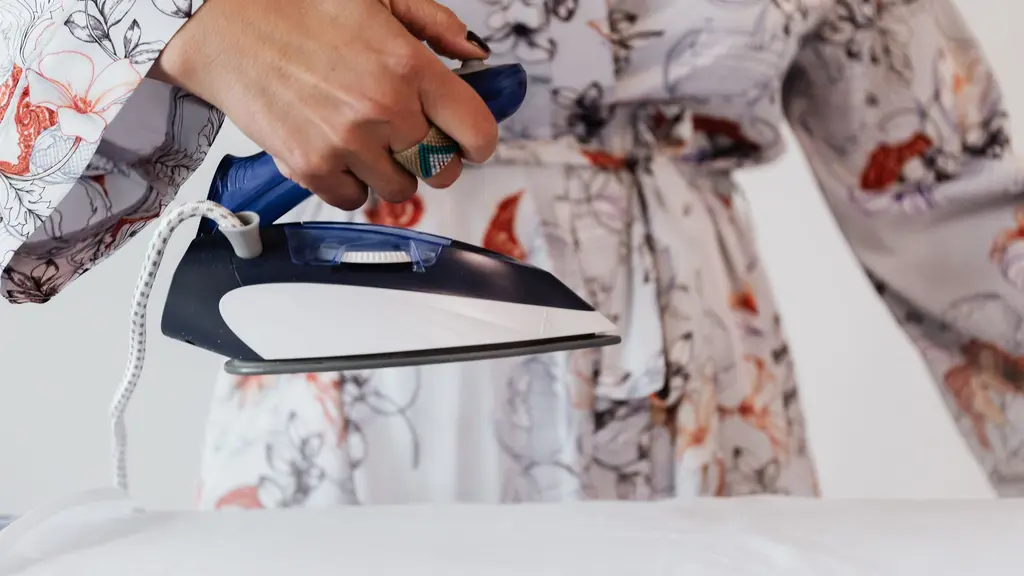
A musty smell coming from a steam iron is usually caused by water left standing in the tank between uses, while a burning or metallic smell can mean mineral scale built up in the steam vents, scorched fabric residue on the soleplate, or, less commonly, a genuine electrical fault that means stopping use right away. Telling these causes apart is the first step before doing anything else, and a new iron giving off a faint plastic smell on its first run is completely normal.
The quick answer
A musty smell from a steam iron comes from water left sitting in the tank between uses, and it clears up by emptying the tank and drying it after every ironing session. A burning or metallic smell can mean mineral scale in the steam vents, which is fixed with regular descaling, or scorched fabric residue stuck to the soleplate, which is fixed by cleaning it. In rare cases it’s a genuine electrical fault that means stopping use immediately and unplugging the iron. A faint plastic smell on a brand-new iron’s first uses is normal and fades on its own.
Key takeaways
- Leaving water inside the iron’s tank between uses lets a stagnant environment build up, and that’s the most common cause of a musty or damp smell when you run the steam again (background on steam iron design and the water tank from Britannica).
- A faint plastic or burning smell on the first uses of a new iron is completely normal, caused by protective coating or insulating material around the heating element burning off during the first full heating cycles, and it usually fades within two or three uses.
- Hard water leaves mineral scale inside the steam chamber and its vents, and when that buildup heats up and gets pushed out with the steam, it can produce a faint burning or metallic smell (background on mineral scale from USGS).
- Leftover starch or fabric fibers stuck to the hot soleplate scorch with every new use and give off a distinct burning smell until the soleplate is cleaned.
- A strong burning smell with smoke, a spark, or an unusual sound is a genuine electrical sign, and it means stopping use immediately, not just cleaning the iron.
Where a musty or damp smell actually comes from
A steam iron holds a supply of water inside a dedicated tank to generate steam through heating, and if that water sits in the tank for days or weeks between ironing sessions, a stagnant, mildly warm environment starts letting bacteria and fine residue build up on the tank walls. When you run the steam again, it carries the smell of that stagnant residue with it, a distinct musty or damp smell that has nothing to do with a fault in the iron itself. The simple rule is to always empty the tank after the last use of the day, not leave it full until next time.
A burning smell on first use: normal or not?
A completely new iron can give off a faint plastic or burning smell during its first use or two, and this is completely normal in most cases. Manufacturers use protective coatings or insulating materials around the heating element that partially burn off during the first full heating cycles, much like a brand-new oven. If the smell continues past three or four uses, or comes with another sign like heavy smoke or an unusual sound, it’s no longer normal and is worth a closer look.
When a burning smell means mineral scale or fabric residue
If the iron runs on regular tap water instead of distilled or filtered water, the dissolved minerals in it (calcium and magnesium) gradually settle inside the steam chamber and its outlet vents with every use. When that buildup heats up and gets pushed out with the steam flow, it can produce a faint burning or metallic smell, a sign that the iron needs a descaling cycle rather than a genuine fault. Another common cause of a burning smell is leftover ironing starch or synthetic fabric fibers stuck to the hot soleplate from a previous use, which scorch a little with every new heating cycle until the soleplate is wiped clean with a damp cloth once it’s fully cooled.
When the smell is an electrical issue that means stopping immediately
A strong, clearly burning smell, especially one that comes with visible smoke, a spark, an unusual crackling sound, or a cord that feels noticeably hot, is a completely different sign from scale or scorched fabric. This kind usually points to damage in the internal wire insulation or a fault in the heating element itself. Stop using the iron immediately, unplug it, and don’t try to run it again before it’s actually been inspected, since this isn’t a case that cleaning or descaling fixes.
Telling the smells apart
| Symptom | Most likely cause | Appropriate step |
|---|---|---|
| Musty or damp smell when you run the steam | Stagnant water left in the tank between uses | Empty the tank after every use and dry it well |
| Faint plastic smell on the first two or three uses | Protective coating burning off during first heating | Normal, fades on its own |
| Faint burning or metallic smell with weak steam | Mineral scale inside the steam chamber and vents | Run a regular descaling cycle |
| Localized burning smell near the fabric | Starch or fabric residue stuck to the soleplate | Wipe the soleplate with a damp cloth once cooled |
| Strong burning smell with smoke, a spark, or an unusual sound | Genuine electrical damage in the cord or heating element | Stop immediately and unplug it |
Steps that prevent iron odors from the start
- Always empty the water tank after the last use, rather than leaving it full for days or weeks between ironing sessions.
- Use distilled or filtered water if your tap water is hard, since this noticeably cuts down on mineral scale building up inside the steam chamber.
- Wipe the soleplate with a damp cloth once it’s fully cooled, to remove any starch or fabric residue before it builds up and scorches on the next use.
- Follow the manufacturer’s recommended descaling schedule, since most irons need an internal cleaning cycle every few weeks depending on water hardness and how often you iron.
- Unplug the iron and let it cool completely before storing it, and don’t store it with the tank full of water.
A product that helps dissolve mineral scale
If mineral scale is the recurring cause of a faint burning smell or weak steam for you, a dedicated iron descaling solution helps dissolve the buildup inside the steam chamber more effectively than plain water alone, typically diluted in the tank and run through an empty steam cycle following the manufacturer’s instructions. This doesn’t replace switching to distilled or filtered water in the first place, but it’s a useful extra step once scale has already built up.
An iron whose design reduces this risk
When choosing a new iron, how easy the tank is to empty and the soleplate is to clean makes a real difference in how often this smell issue comes back. A practical example from our shortlist: the Russell Hobbs Light & Easy Steam Iron, with its light build and easy-to-clean soleplate, makes emptying the tank after every use a quick habit rather than a chore, which is part of why it tops our guide to the best steam iron in Saudi Arabia. We didn’t pick it because it never develops a smell, we picked it because its practical design reduces the odds of this step being neglected. You’ll find its current price and the Amazon.sa link in the card below.
Bottom line
A musty smell from a steam iron is, in the vast majority of cases, caused by stagnant water left in the tank, and it clears up by emptying and drying it after every use. A faint burning smell is usually mineral scale or fabric residue, fixed with regular cleaning and descaling, while a strong burning smell with smoke or a spark is an electrical sign that means stopping use immediately. And if your iron has a different problem besides the smell, read steam iron not working: what to check before replacing it. For the full buying criteria, see how to choose a steam iron, for current prices browse steam iron prices in Saudi Arabia, or head back to steam irons for the full hub.
Sources
- Britannica, “Iron pressing”, background on steam iron design, the water tank, and how steam is generated: https://www.britannica.com/technology/iron-pressing
- USGS, “Hardness of water”, background on mineral scale and how it forms from hard water: https://www.usgs.gov/water-science-school/science/hardness-water
This analysis is based on published information from Britannica (Iron pressing), USGS (Hardness of water).
Frequently asked questions
Why does my steam iron smell musty or damp?
The almost certain cause is water left standing in the tank between uses, which lets a damp environment build up and release a musty smell when you run the steam again. The fix is emptying the tank after every last use, not leaving it full for days or weeks, and drying the iron fully before storing it.
Is a burning smell from a steam iron dangerous?
Not always. A faint burning or metallic smell is usually mineral scale inside the steam vents or starch and fabric residue stuck to the soleplate, and both clear up with cleaning or descaling. But a strong burning smell with visible smoke, a spark, or an unusual sound is a real electrical sign that means stopping use immediately and unplugging the iron.
My iron is brand new and smells like plastic or burning, is that normal?
Yes, this is completely normal for the first use or two of a new iron. Many manufacturers use protective coatings around the heating element that burn off partially during the first full heating cycles. If the smell continues past three or four uses, or comes with another sign like heavy smoke, it's no longer normal.
How do I prevent steam iron odors in the first place?
Empty the water tank after every use rather than leaving it full between ironing sessions, use distilled or filtered water if your tap water is hard to cut down on mineral scale, and wipe the soleplate with a damp cloth once it has cooled to remove starch and fabric residue before it builds up and burns.