
 Egypt
Egypt  UAE
UAE  USA
USA How to Clean a Steam Iron: Soleplate and Limescale
We may earn a commission from purchases through our links, at no extra cost to you. How we choose · Disclosure.
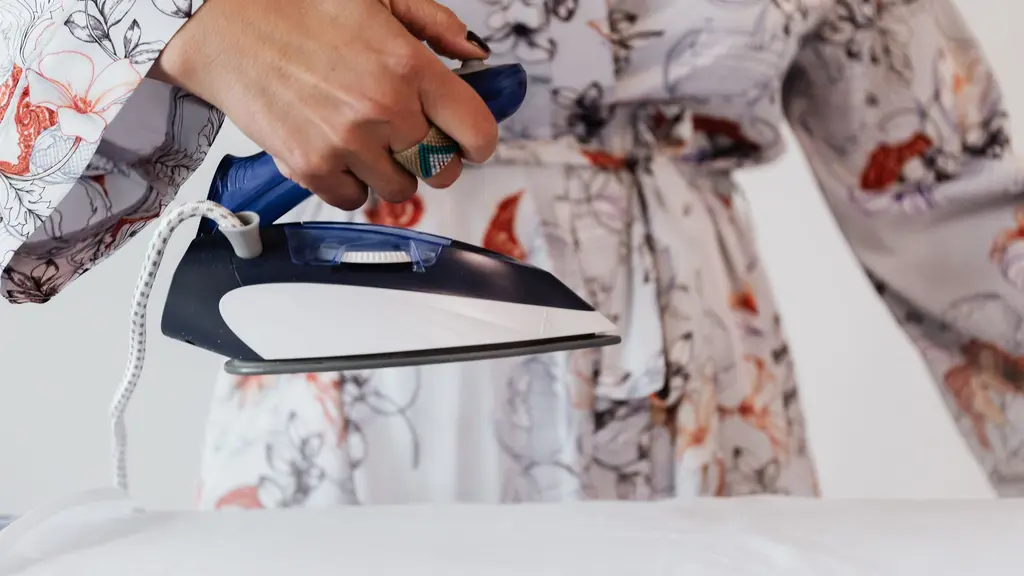
Cleaning a steam iron comes down to two regular steps: wiping the soleplate free of burns and sticky residue after every use once it’s fully cooled, and clearing limescale from the steam vents once every month to six weeks with self-clean or diluted vinegar. Skipping that second step specifically is the most common reason behind weak steam or brown water drips that stain clothes over time. The good news is that doing it right is simple and needs no special tools in most cases.
Never mix vinegar with bleach or any chlorine-based cleaner - the combination releases toxic gases. Use one cleaner at a time and rinse thoroughly between products.
The quick answer
Wipe the soleplate with a damp cloth after every use once it has cooled, and use distilled or filtered water whenever you can to cut down on deposits in the first place. Run the self-clean function or diluted white vinegar through the steam vents once every month to six weeks. That’s enough to prevent buildup and brown water drips. If the problem persists despite regular cleaning, a ready-made iron descaling solution is a practical alternative to vinegar.
Key takeaways
- A steam iron pushes steam through holes in the soleplate to relax fabric fibers as you press, which means any mineral content in the water settles inside those vents over time (clothes iron definition from Britannica).
- Limescale forms from calcium carbonate in hard water, the same cause behind deposits in kettles and other household heating appliances (background on limescale from USGS).
- Brown water drips from the steam vents are a common sign of built-up deposit, not necessarily a fault in the unit itself.
- Distilled or filtered water slows deposit buildup, but it doesn’t eliminate the need for periodic vent cleaning.
- Abrasive materials scratch the soleplate, and any scratch makes it drag on fabric instead of gliding smoothly.
Cleaning the soleplate after every use
Unplug the iron and let it cool completely first, cleaning it while hot or plugged in is a genuine hazard. Wipe the soleplate with a cloth dampened in warm water, and if there’s a scorch mark or sticky starch residue, a light paste of baking soda and a little water lifts it gently without scratching. Avoid steel wool, rough sponges, and abrasive cleaning powders entirely, since any scratch in the soleplate makes it stick to fabric instead of gliding the way it was designed to.
Clearing limescale from the steam vents
Most modern steam irons have a self-clean button that pushes a strong burst of steam and water through the vents to flush out mineral deposits, and the best place to run it is over a sink or an old towel, since the water that comes out can carry dark-colored residue. If your iron lacks this feature, mix equal parts water and white vinegar in the tank, run the iron on full steam over an old towel until most of the solution has passed through, then rinse the tank with plain water and run it again to clear any leftover vinegar. Using distilled or filtered water in daily use slows this buildup from the start, which helps especially in hard water areas.
Do and don’t table
| Part | Do | Don’t |
|---|---|---|
| Soleplate | Wipe with a damp cloth once cooled | Scrub with steel wool or a rough sponge |
| Steam vents | Run self-clean or diluted vinegar regularly | Ignore deposits for months |
| Water type | Distilled or filtered water when possible | Hard tap water constantly with no periodic cleaning |
| Water tank | Empty it after use when possible | Leave it filled with standing water for days |
When you need a ready-made descaling solution instead of vinegar
If you’ve repeated the vinegar clean a few times and steam is still weak or the water keeps coming out brown, or your iron has no self-clean feature and mixing your own solution feels tedious, a ready-made descaling solution built for steam irons is a practical alternative to vinegar, flushing through the vents the same way self-clean does without measuring ratios yourself. This isn’t a substitute for regular cleaning, just an extra convenience for anyone who wants a ready-made fix instead of preparing one at home each time.
An iron worth the regular care
Whatever model you own, regular care of the soleplate and steam vents is what keeps an iron performing well over time. A practical example from our shortlist: the Russell Hobbs Light & Easy Steam Iron, a light, easy-to-handle build backed by hundreds of positive reviews on Amazon.sa, and the top pick in our guide to the best steam iron in Saudi Arabia.
See the Russell Hobbs Light & Easy Steam Iron price on Amazon.sa ↗
When to stop and call a technician
- Brown water still drips after the steam vents are descaled and rinsed.
- Steam remains weak or absent after the vents and tank are cleaned.
- Burnt or sticky residue remains on the cooled soleplate after the recommended cleaning steps.
Stop using the appliance and have a qualified technician inspect it before using it again.
Bottom line
Cleaning a steam iron isn’t complicated: wiping the soleplate after every use prevents burns and sticky residue, and clearing limescale from the steam vents every month to six weeks keeps steam output strong and stops brown water drips. Distilled or filtered water slows buildup from the start, and a ready-made descaling solution is a practical option if deposits are stubborn or your iron has no self-clean feature. If you’re still weighing an iron against a steamer in the first place, read steam iron vs garment steamer, and if you’re on the fence about buying one at all, see is a steam iron worth it?. For the full buying criteria, read how to choose a steam iron, or browse the entire steam irons section.
Sources
- Britannica, “Iron pressing”, definition of a steam iron and the principle of pushing steam through soleplate vents: https://www.britannica.com/technology/iron-pressing
- USGS, “Hardness of water”, background on limescale deposits caused by calcium carbonate in hard water: https://www.usgs.gov/water-science-school/science/hardness-water
This analysis is based on published information from Britannica (Iron pressing), USGS (Hardness of water).
Frequently asked questions
How often should I clean my steam iron?
Wipe the soleplate with a damp cloth after every use once it has fully cooled, to remove any residue or scorch marks before they build up. Clearing limescale from the steam vents via self-clean or diluted vinegar only needs doing once every month to six weeks for normal use, and more often in hard water areas.
Does tap water speed up limescale buildup in a steam iron?
Yes, hard water common in many parts of Saudi Arabia carries calcium carbonate that deposits inside the steam vents over time. Using distilled or filtered water noticeably slows this buildup, but it doesn't remove the need for periodic vent cleaning altogether.
My iron is leaking brown water or drips from the steam vents, what's wrong?
This is usually accumulated mineral deposit coming out during heating or a self-clean cycle, which is expected as part of the cleaning process itself rather than a fault. If it keeps happening after repeated cleaning, it may need a few extra cycles with a slightly stronger solution or a descaling solution made for irons.
Can I use vinegar to clean a steam iron?
Yes, diluted white vinegar mixed with water in equal parts is a common, effective household method for dissolving light deposits in the steam vents. If buildup is stubborn or your iron has no self-clean feature, a ready-made iron descaling solution is a practical alternative that skips the mixing and measuring.