
 Egypt
Egypt  UAE
UAE  Saudi Arabia
 Best Blender for a Small Kitchen or Apartment
We may earn a commission from purchases through our links, at no extra cost to you. How we choose · Disclosure.
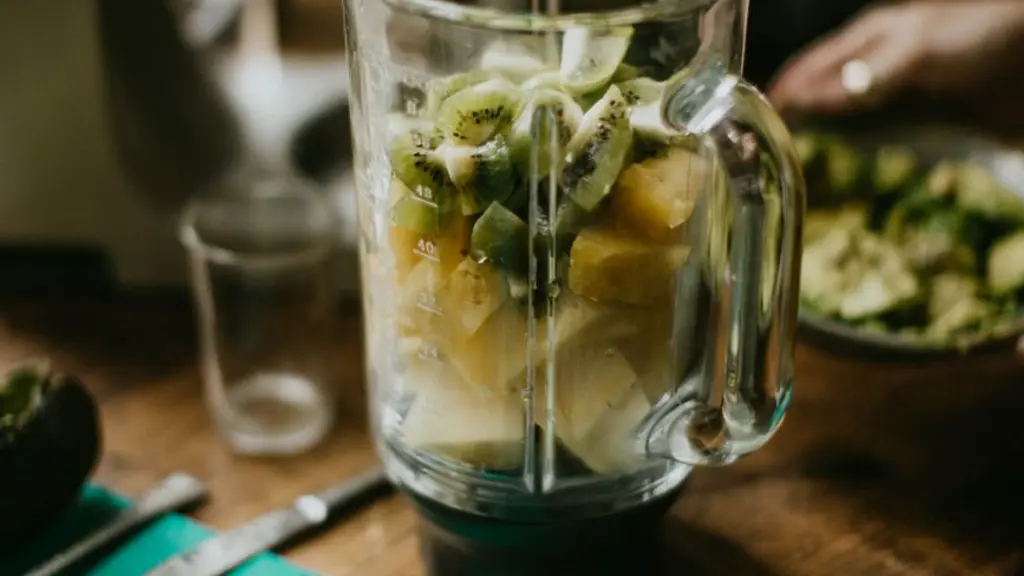
For a small kitchen or apartment, the best blender is one that is compact by design, not necessarily the cheapest or the most powerful. If your counter space is the tightest, a personal blender takes up the least room since its cup doubles as your drinking vessel and there’s no large jar to find space for. If you still want full countertop versatility, look for a compact countertop blender with a narrower base.
The quick answer
For the tightest kitchens, a personal blender takes up the least space since its cup doubles as your drinking vessel and there’s no large jar to store. If you still want full countertop versatility, the Ninja Professional Plus Blender with Auto-iQ (≈ $97) has a compact enough footprint for most apartment counters while still handling family-size smoothies, crushed ice, and sauces.
Key takeaways
- A personal blender is the smallest footprint option, since the cup you blend in often doubles as your to-go container.
- Compact countertop blenders still cover full household use without needing the widest jug on the market.
- A blender purees ingredients with a spinning blade (blender definition from Britannica), and that mechanism does not require a large jar to work well.
- Nesting parts (jar, lid, blade assembly) inside each other saves cabinet space compared to storing them separately.
- Size and blending power are not the same thing: a compact model can still crush ice if it’s built for it.
Why size matters more in a small kitchen
In a full-size kitchen, an extra few inches of counter space barely registers. In a small kitchen or apartment, every inch is either counter you cook on or storage you don’t have. A bulky jug blender permanently parked on the counter can crowd out prep space, while the same appliance shoved in a cabinet after every use adds friction that makes you reach for it less. Picking the right format upfront avoids that trade-off entirely.
Personal blenders: the smallest footprint
A personal blender is built around a single cup and a compact base, and in most designs that cup becomes the container you actually drink from, so there is no separate jar to wash or store. This makes it the smallest option on the market by a clear margin, and it suits anyone blending solo or as a couple. The trade-off is capacity: a personal blender is not meant for family-size batches, hot soups, or large meal-prep jobs.
Compact countertop blenders: full versatility, tighter footprint
If you want one blender that covers smoothies, sauces, and crushed ice for more than one person, a compact countertop blender is the better fit, even in a small kitchen. Look for a narrower base and a jar shape designed to sit comfortably on a standard counter rather than one built for maximum capacity. You give up a little jar size compared to the largest jug blenders, but you keep the versatility a personal blender can’t match.
Storage tricks that save counter space
- Nest the parts: jar, lid, and blade assembly often stack inside each other, so store them as one unit rather than three.
- Use vertical space: a shelf above the counter keeps the base within reach without eating into prep space.
- Keep only the base out if you blend daily, and put the jar away between uses if counter space is tight.
- Skip accessories you won’t use: extra cups, blades, or attachments you rarely reach for are better stored elsewhere or not bought at all.
Format vs footprint at a glance
| Format | Typical footprint | Approx. price | Best for a small kitchen |
|---|---|---|---|
| Personal blender | Smallest; often just a cup and base | ≈ $80 | Solo or couple, minimal counter storage |
| Compact countertop | Small to medium base, narrower jar | ≈ $97 | Full family use in a tight kitchen |
| Full-size jug or high-power | Largest footprint, needs dedicated counter space | ≈ $250 - $410 | Larger kitchens or heavy daily use |
The picks that fit a small kitchen
If more than one person is blending, the Ninja Professional Plus Blender with Auto-iQ covers smoothies, crushed ice, and sauces with Auto-iQ presets in a footprint that fits most apartment counters, which is why it tops our guide to the best blender in the USA. If you’re blending solo and want the absolute smallest footprint, a personal blender priced closer to the $80 range trades some capacity for the least amount of counter and storage space of any format. You’ll find the Ninja pick’s current price and the Amazon link in the card below.
The bottom line
The best blender for a small kitchen or apartment comes down to how many people you’re blending for, not just the smallest box on the shelf. Go personal if you’re blending solo and want the least storage footprint possible, or pick a compact countertop model like the Ninja Professional Plus if you need full household versatility without a bulky jug. Avoid the sizing pitfalls covered in common blender buying mistakes, check current blender prices in the USA, and read the full guide to choosing a blender if you want every criterion spelled out. Browse more picks on the blenders hub.
Sources
- Britannica, “Blender”, definition of the blender and how its spinning-blade mechanism works regardless of jar size: https://www.britannica.com/dictionary/blender
This analysis is based on published information from Britannica (Blender).
Frequently asked questions
What is the best blender for a small kitchen?
For the tightest kitchens, a personal blender takes up the least space since its cup doubles as your drinking vessel and there's no large jar to store. If you still want full countertop versatility, a compact countertop blender like the Ninja Professional Plus fits most apartment counters while still handling family-size smoothies and crushed ice.
Does a personal blender take up less space than a countertop blender?
Yes, generally. A personal blender's footprint is usually just a compact base and a cup, and the cup often becomes your to-go container, so there's no separate jar to find room for. A countertop blender needs a dedicated jar and a wider base, even in its more compact designs.
Can a compact blender still crush ice?
Many compact countertop blenders and personal blenders are built specifically around ice crushing, so a smaller footprint does not automatically mean weaker performance. Check the listing for ice-crushing programs or a blade built for frozen ingredients rather than assuming size and power are linked.
How do I store blender parts in a small kitchen?
Keep the base on the counter only if you use it daily, and store the jar, lid, and blade assembly nested inside each other in a cabinet or on a shelf when not in use. A personal blender's small cup and base often fit in a single drawer, which is the biggest space advantage over a full jug blender.