
 Egypt
Egypt  UAE
UAE  Saudi Arabia
 Blender vs Juicer: Smoothies, Juice and Fiber Compared
We may earn a commission from purchases through our links, at no extra cost to you. How we choose · Disclosure.
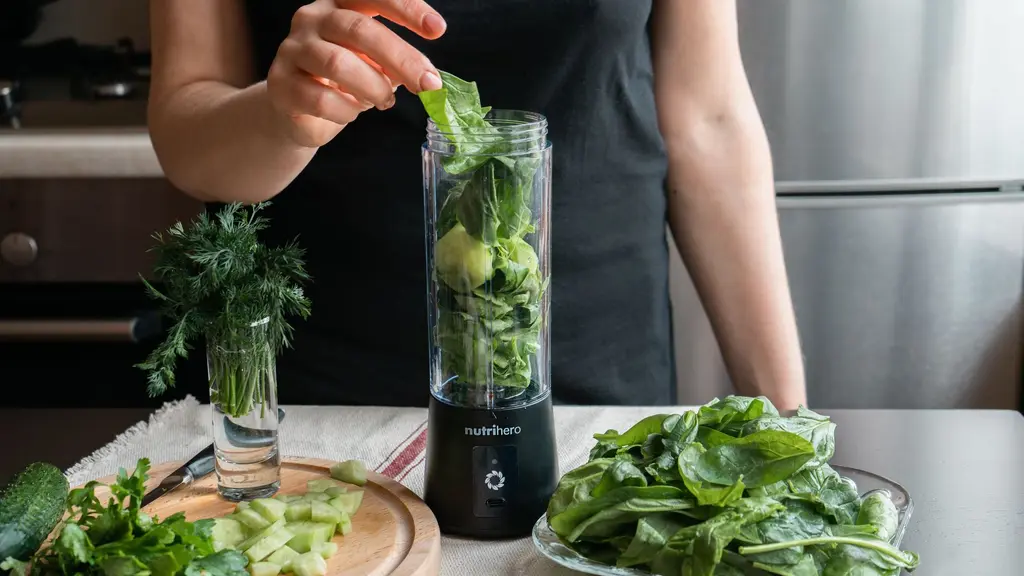
A lot of people assume a blender and a juicer do the same job because both end up with fruit in a glass, then they’re disappointed when the drink doesn’t come out the way they expected. The real difference isn’t the shape of the appliance, it’s what happens to the fiber: one keeps it, one removes it. With cold smoothies and fresh juice both close to a daily habit for a lot of US households, picking the right one actually changes what you get to drink every morning. Let’s untangle it.
The quick answer
A blender purees the whole fruit or vegetable, fiber and all, which is a smoothie. A juicer extracts the liquid and separates out the pulp, which is juice. If you want a filling, fiber-rich drink and a tool that also handles soup and sauces, get a blender. If fresh, thin juice specifically is the goal, and you don’t mind a narrower single-purpose appliance, get a juicer.
Key takeaways
- A blender uses a spinning blade to puree everything you put in, so nothing is removed, the fiber stays in the drink (blender definition from Britannica).
- A juicer mechanically extracts liquid and separates out the solid pulp, so what you drink is thinner and lower in fiber than what went in (juicer definition from Britannica).
- Fiber affects how the drink hits you: a smoothie’s fiber slows sugar absorption and helps you feel fuller, while juice without that fiber can hit faster.
- A blender is the more flexible daily tool: beyond smoothies, it handles soups, sauces, and (with a high-power motor) even grinding, while a juicer is built for one job.
- You can approximate juice with a blender by blending fully then straining, though it’s an extra step and won’t extract quite as cleanly as a dedicated juicer.
The blender: keeps the whole fruit, fiber included
A blender works with a fast-spinning blade at the base of a jar, pureeing everything you add into a smooth, drinkable texture. Nothing is filtered out, so if you blend an orange, its fiber and pulp stay in the glass along with the juice. That’s what makes the result a smoothie rather than a juice: thicker, more filling, and closer to eating the whole fruit than drinking an extract. Beyond fruit drinks, a blender (especially a countertop model with program presets) also covers soups, sauces, and even nut butters on a high-power unit, which is why it tends to be the more-used appliance day to day in a US kitchen. If you’re deciding between a countertop model, a personal blender, and a high-power blender for this kind of daily use, our guide to choosing a blender walks through the trade-off.
The juicer: extracts liquid, leaves the pulp behind
A juicer is built around a different mechanism, usually a spinning mesh basket or a slow-turning auger, that presses or grinds the produce and physically separates the liquid from the solid pulp. What ends up in your glass is thinner and lower in fiber, since the fibrous parts are ejected separately rather than blended in. This is the appliance for someone who specifically wants fresh juice as a distinct drink, not a thicker fruit-and-veg puree. The trade-off is that a juicer is a single-purpose machine: it doesn’t puree soup, whip anything, or grind nuts, so it earns a permanent spot on the counter only if fresh juice is a real daily habit for your household.
Fiber, fullness, and why it matters in practice
The fiber question is the practical heart of the blender vs juicer decision. Because a smoothie keeps the whole fruit’s fiber, it tends to digest more slowly and keep you fuller for longer, which matters if you’re using it to replace a meal or snack. Juice, with the fiber extracted out, is a lighter, faster-absorbing drink, closer to a refreshment than a filling one. Neither is inherently the wrong choice, it depends on what you want the drink to do for you: something that holds you over, or something light and quick.
Quick comparison: which one for what?
| Appliance | What happens to the fiber | Best for | What it won’t do |
|---|---|---|---|
| Blender | Kept in, whole fruit is pureed | Smoothies, soups, sauces, even nut butters on high-power models | Extract a separate thin juice on its own |
| Juicer | Removed, liquid is separated from pulp | Fresh, thin juice as a dedicated drink | Puree soup, whip, or grind |
The simple rule: want fiber and a multi-purpose kitchen tool → blender. Want a dedicated thin juice → juicer. If ice crushing and frozen fruit are part of your routine either way, that’s a separate factor worth checking against the models in the best blender in the USA.
So which one goes in your US kitchen first?
For most households here, the blender earns its spot first, because it’s not a one-trick appliance: smoothies today, soup next week, sauces in between. A practical example that covers this range is the Ninja Professional Plus Blender with Auto-iQ, a countertop blender with program presets that handles smoothies, crushed ice, and sauces with one touch, in a footprint that fits most kitchens. We didn’t pick it because it replaces a juicer outright, we picked it because it’s a versatile, well-reviewed blender that covers the jobs most US kitchens actually need daily, which is also why it tops our guide to the best blender in the USA. You’ll find its current price and the Amazon link in the card below.
If you find that fresh juice specifically becomes a daily non-negotiable, that’s when a dedicated juicer earns its own spot on the counter, as a second appliance rather than a replacement for the blender.
Decide in a minute
- Ask yourself: do you want a filling, fiber-rich drink, or a light, extracted juice? That answers blender vs juicer.
- If you’re equipping a kitchen from scratch, start with the blender, since it covers smoothies, soups, and sauces, not just one drink type.
- If ice and frozen fruit are a daily habit, prioritize a blender built for ice crushing when you shop, covered in our how to choose a blender guide.
- Check current blender prices in the USA to see what fits your budget across countertop, personal, and high-power formats.
- Only add a juicer later if fresh extracted juice turns out to be a real daily habit rather than an occasional one.
Sources
- Britannica, “Blender”, definition of the blender and how it purees the whole ingredient with a spinning blade: https://www.britannica.com/dictionary/blender
- Britannica, “Juicer”, definition of the juicer and how it mechanically separates liquid from pulp: https://www.britannica.com/dictionary/juicer
For everything in this category in one place, browse our blenders section.
This analysis is based on published information from Britannica (Blender), Britannica (Juicer).
Frequently asked questions
What's the core difference between a blender and a juicer?
A blender purees the whole fruit or vegetable, so the fiber and pulp stay in the drink, which is what makes it a smoothie. A juicer extracts the liquid and mechanically separates out the solid pulp, so what's left is a thinner drink without the fiber. The blender keeps everything, the juicer takes fiber out.
Is a smoothie healthier than juice?
A smoothie keeps the fiber from the whole fruit or vegetable, which slows down how quickly sugar hits your system and helps you feel fuller. Juice is lower in fiber since it's extracted out, so it can spike blood sugar faster even from the same amount of fruit. Neither is automatically bad, but if fiber and fullness matter to you, blending keeps more of it.
Can I make juice with a blender instead of buying a juicer?
Not true juice in the traditional sense, since a blender doesn't separate out the pulp on its own. What you can do is blend the fruit or vegetable fully, then strain it through a fine mesh or cheesecloth if you want a juice-like texture with less fiber. It's an extra step, but it means you don't need a dedicated juicer if you already own a blender.
Which one should I buy first, a blender or a juicer?
Most households get more daily use out of a blender, since it covers smoothies, soups, and sauces, not just juice. A juicer is a narrower tool built for one job. Unless fresh juice specifically is a daily non-negotiable for you, the blender is the more practical first purchase, and you can add a juicer later if you find you want one.