 Egypt
Egypt  UAE
UAE  Saudi Arabia
 The Best Japanese Kitchen Knife for US Home Cooks
We may earn a commission from purchases through our links, at no extra cost to you. How we choose · Disclosure.
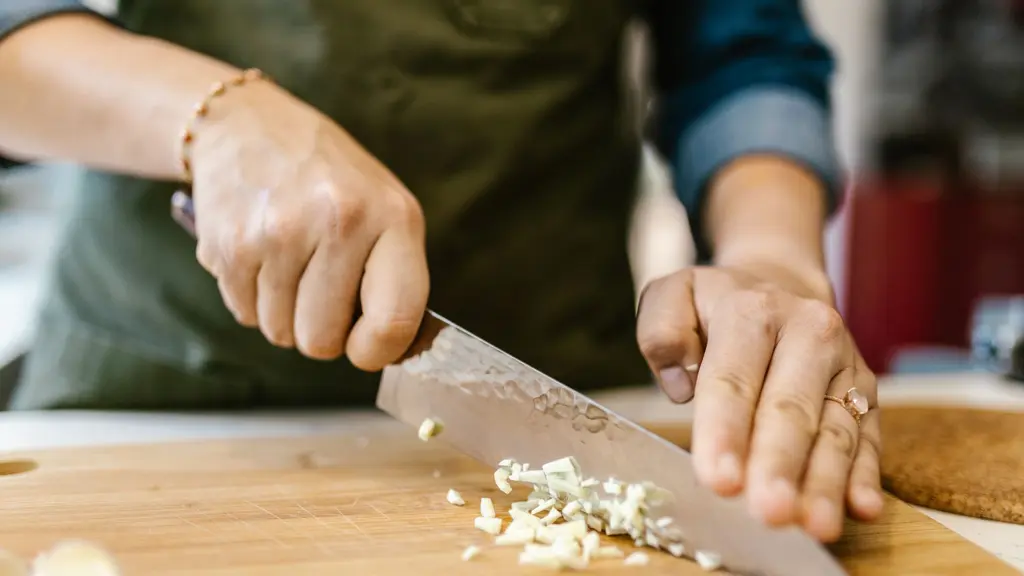
Shopping for a genuine Japanese kitchen knife means separating real made-in-Japan blades from Japanese-style knives made anywhere else. The best actual Japanese-made pick for US buyers is the Shun Classic 8-Inch (roughly $190), handcrafted in Seki City with a VG-MAX steel core and a layered Damascus-clad finish, backed by close to four thousand buyer ratings. It’s a genuine step up in price and sharpness over a Western chef’s knife, and it rewards people who cook often and care for their edge.
Quick answer
For a true made-in-Japan blade, the Shun Classic 8-Inch is the pick: real Seki City manufacturing, VG-MAX steel, and a thin, hard edge that a Western-style knife can’t quite match. If you want the Japanese cutting style without the premium price, a santoku-shaped knife from a Western brand gets you the shape at a fraction of the cost. Either way, check that “Japanese” on the listing means origin and not just design language before you pay for it.
Key points
- Gyuto, santoku, and nakiri are the three shapes most home cooks encounter: gyuto is Japan’s chef’s knife equivalent, santoku is flatter and suited to straight chopping, and nakiri is a straight-edged rectangle built for vegetables alone.
- Japanese steel is typically harder than Western steel, which means a sharper edge that holds longer but chips more easily if you twist the blade or hit bone.
- Damascus patterns on a genuine Japanese blade are real clad construction, a hard core steel laminated between softer outer layers, documented by the maker; the same wavy look on a cheap knife is almost always an etched finish, not layers.
- “Japanese” on a listing can mean origin or just design, and the two are not the same claim; see how to tell them apart in our Japanese vs Japanese-style knives breakdown before you buy.
The three shapes, and which to start with
The gyuto is the closest thing to a one-to-one match for a Western chef’s knife: a similar curved profile shrunk into thinner, harder Japanese steel, which makes it the natural starting point if you already cook with a rocking motion. The santoku flattens that curve for straight up-and-down chopping and adds a wider blade face that scoops what you cut. The nakiri drops the point entirely: a straight-edged rectangle meant purely for vegetables, which makes it a strong third knife rather than a first one. Most home cooks moving into Japanese knives start with a gyuto or santoku and add a nakiri once they notice how much vegetable prep they actually do.
What makes the steel different
Japanese blades generally run harder steel than Western knives, often in the 60-62 HRC range against a Western knife’s 56-58. Harder steel takes a sharper edge and holds it longer between sharpenings, which is the entire appeal. The trade-off is brittleness: a hard, thin Japanese edge chips if you twist it in a cut, hit bone, or use it on frozen food, situations a softer German blade shrugs off. That’s not a flaw, it’s a different set of habits: no twisting cuts, cut on a softer board, and store it where the edge can’t knock against other tools.
Real made-in-Japan versus Japanese-style
Genuine made-in-Japan production, like the Shun Classic, starts around $150 and climbs from there, and the listing will name its steel precisely, VG-MAX, in Shun’s case, and document any Damascus cladding as actual layered construction. Japanese-style knives, built anywhere from Vietnam to China to Germany, borrow the shape and sometimes the steel philosophy at a fraction of the price, and there’s nothing wrong with buying one as long as the marketing isn’t implying an origin the product doesn’t have. Our honest Matsato knife review walks through exactly this question on a real, heavily advertised example.
Gyuto vs santoku vs nakiri
| Gyuto | Santoku | Nakiri | |
|---|---|---|---|
| Shape | Curved, pointed, chef’s-knife-like | Flatter edge, wider blade | Straight edge, no point |
| Best for | All-purpose, rocking cuts | Straight chopping, scooping | Vegetables only |
| Good first Japanese knife? | Yes | Yes | As a third knife |
The bottom line
For genuine made-in-Japan quality, the Shun Classic 8-Inch at roughly $190 is the verified pick in our lineup. If you want the reliable, lower-maintenance option instead, the Victorinox Fibrox Pro at roughly $48 covers most of the same daily work for a quarter of the price. Read Japanese vs Japanese-style knives before buying anything marketed as Japanese, check the chef knife buying guide for steel and handle basics, and see current prices in the kitchen knife prices roundup. Everything else lives in the kitchen knives hub.
Sources
- ZWILLING knife guide, “Santoku knives”, background on the santoku shape and its Japanese origin: https://www.zwilling.com/us/knives/japanese-knives/santoku-knives/
- Britannica, “Damascus steel”, background on pattern-welded and clad steel construction: https://www.britannica.com/technology/Damascus-steel
This analysis is based on published information from ZWILLING knife guide (Santoku knives), Britannica (Damascus steel).
Frequently asked questions
What is the best Japanese kitchen knife you can buy?
Among genuine made-in-Japan blades, the Shun Classic 8-Inch (roughly $190) stands out: handcrafted in Seki City with a VG-MAX steel core under a layered Damascus-clad finish, and close to four thousand buyer ratings backing its edge quality. It's a real step up in price from a Western chef's knife, and it rewards people who cook often.
What's the difference between a gyuto, a santoku, and a nakiri?
The gyuto is Japan's version of the Western chef's knife: a similar curved profile in thinner and harder steel. The santoku has a flatter edge suited to straight chopping. The nakiri is a rectangular, straight-edged vegetable knife with no point at all, built purely for produce. Most home cooks start with a gyuto or santoku and add a nakiri later if they cook a lot of vegetables.
Is a Japanese-style knife the same as one made in Japan?
No. Japanese-style describes the design, thinner blade, harder steel, shapes like the santoku, wherever it's actually manufactured. Made in Japan describes the country of manufacture. Plenty of good knives borrow the Japanese style without being made there; our full breakdown is in Japanese vs Japanese-style knives.
Is a Japanese knife worth the extra money over a Western chef's knife?
If you cook often and want the sharpest possible edge, yes: the thinner, harder steel in a genuine Japanese blade takes an edge a Western knife can't quite match. If you cook casually or want one low-maintenance knife, a Western-style pick like the Victorinox Fibrox Pro (roughly $48) gets you most of the daily performance for a quarter of the price and far less babying.